


Koç University has received Turkey’s 2026 Social Responsibility Award for its comprehensive programme supporting children with Type 1 diabetes and their families, exemplifying how universities can promote social inclusion and health education.
Turkey’s Higher Education Council has given its 2026 Social Responsibility Award to Arkadaşım Diyabet, a programme run by Koç University that supports children living with Type 1 diabetes and their families. The award was presented at a ceremony at the presidential complex in Ankara to Koç University vice-rector Hakan Ürey and Şükrü Hatun, a physician long associated with the project, underlining how the initiative has moved beyond clinical care into education, family support and wider social inclusion.
According to reports from T24 and SonDakika, the programme is built around the idea of combining knowledge with hope. Its organisers say the aim is not only to help children and parents manage the condition medically, but also to make it easier for them to take part fully in school and everyday life. The approach reflects a broader view of diabetes care, in which access to information, practical support and confidence can be as important as treatment itself.
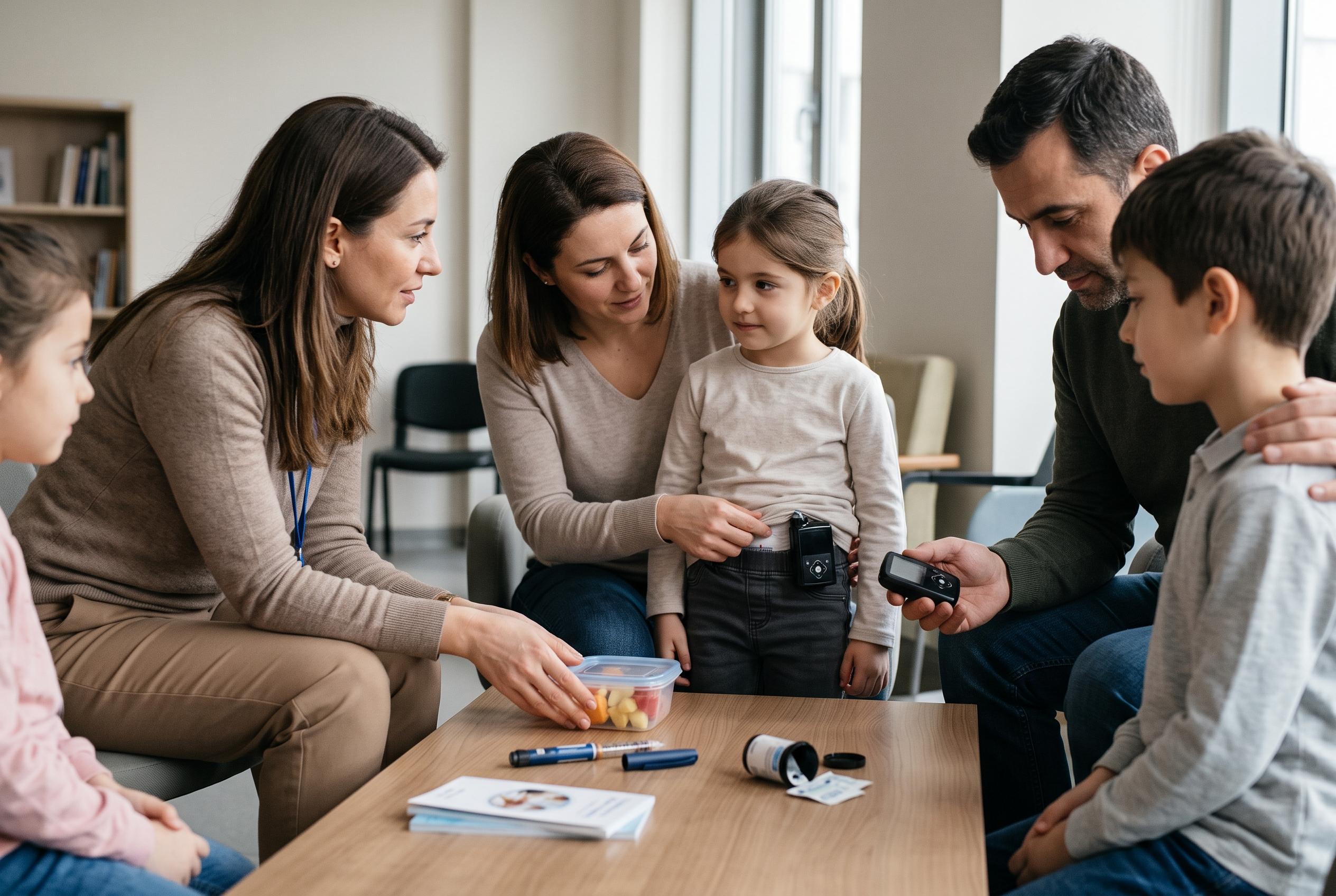
The scale of the project helps explain why it has drawn national recognition. Since 2016, Koç University Hospital has provided clinical support to about 2,700 children with Type 1 diabetes and their families, alongside extensive training on diabetes technology and newer treatment options, according to the university-linked reports. More than 1,500 children and family members have also taken part in camps designed to turn diabetes education into a shared community experience. A family camp description published by Geleceğin Yıldızları says these gatherings are meant to help children, parents and siblings build a “new normal”, reduce isolation and approach the condition with knowledge rather than fear.
The award also reflects a wider shift in how universities are judged in Turkey. YÖK has been presenting its Excellence Awards since 2017 to encourage research, projects, theses and public service work across higher education. In that context, Arkadaşım Diyabet stands out not simply as a medical programme but as a model for how university expertise can be translated into social benefit, especially for children whose health needs affect their schooling, friendships and family life.
Disclaimer: This content is for informational purposes only and is not intended to be a substitute for professional medical judgment, advice, diagnosis, or treatment.



