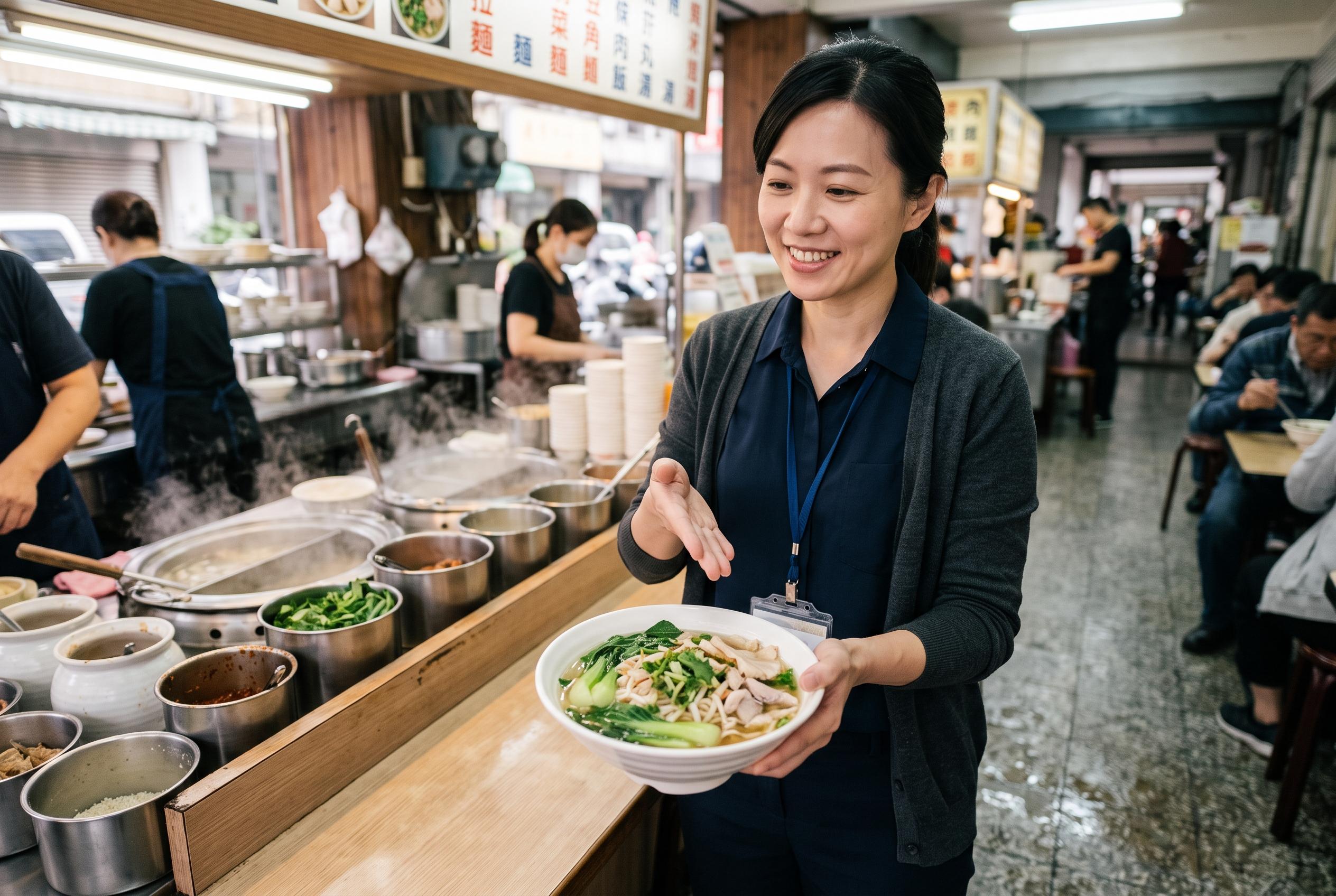

Dietitian Hsu Tzu-chia highlights how balancing noodle dishes with protein and vegetables can aid weight control, offering practical tips for healthier choices at local stalls.
When people try to manage their weight while eating at a noodle stall, the problem is usually not the noodles alone but the way the whole meal is built. Taiwan-based dietitian Hsu Tzu-chia said many common stall dishes are heavy on carbohydrates and added fats, but light on protein and vegetables, which can leave diners hungry again sooner and more likely to reach for snacks later.
Hsu, writing on her Facebook page, said a typical bowl often starts with a base of noodles, then gains calories from toppings such as braised pork, sesame paste or fried shallots. Fish balls and meat balls may add some protein, but rarely enough for a full meal, while vegetables are often missing altogether. The result, she suggested, is a plate that can be filling in the short term but poorly balanced for anyone trying to control weight.
Her advice follows a simple structure: choose one staple, add about a palm-sized serving of protein, include a large portion of vegetables and go easy on oil, sauces and soup. That approach echoes wider nutritional guidance. Healthline notes that low-calorie shirataki noodles, made from konjac fibre, can help with fullness because they contain very little digestible carbohydrate. Other nutrition guides recommend adding vegetables and protein while limiting rich broths and heavy sauces.
For diners ordering from a noodle shop, the practical changes are straightforward. A small portion of dry noodles with blanched greens, a boiled egg and tofu is a better-balanced option than combining noodles, dumplings and braised rice in one meal. If choosing soup noodles, Hsu said, the broth does not need to be finished. That view is consistent with other health guides, which point out that many noodle soups are high in sodium and can contribute to temporary water retention, making the scales jump the next day even when fat gain has not occurred.
The same logic applies to beef noodle soup and dumpling bowls. A palm-sized serving of beef may be enough protein on its own, while about eight dumplings can stand in for a main carbohydrate portion, especially if they are paired with greens and tofu. Dietitians quoted in other Taiwanese health articles have also recommended eating vegetables first, then protein, then noodles, as a way to improve satiety and moderate blood-sugar swings. Hsu’s broader point is that noodle meals do not need to be avoided , only arranged more carefully.
Disclaimer: This content is for informational purposes only and is not intended to be a substitute for professional medical judgment, advice, diagnosis, or treatment.