

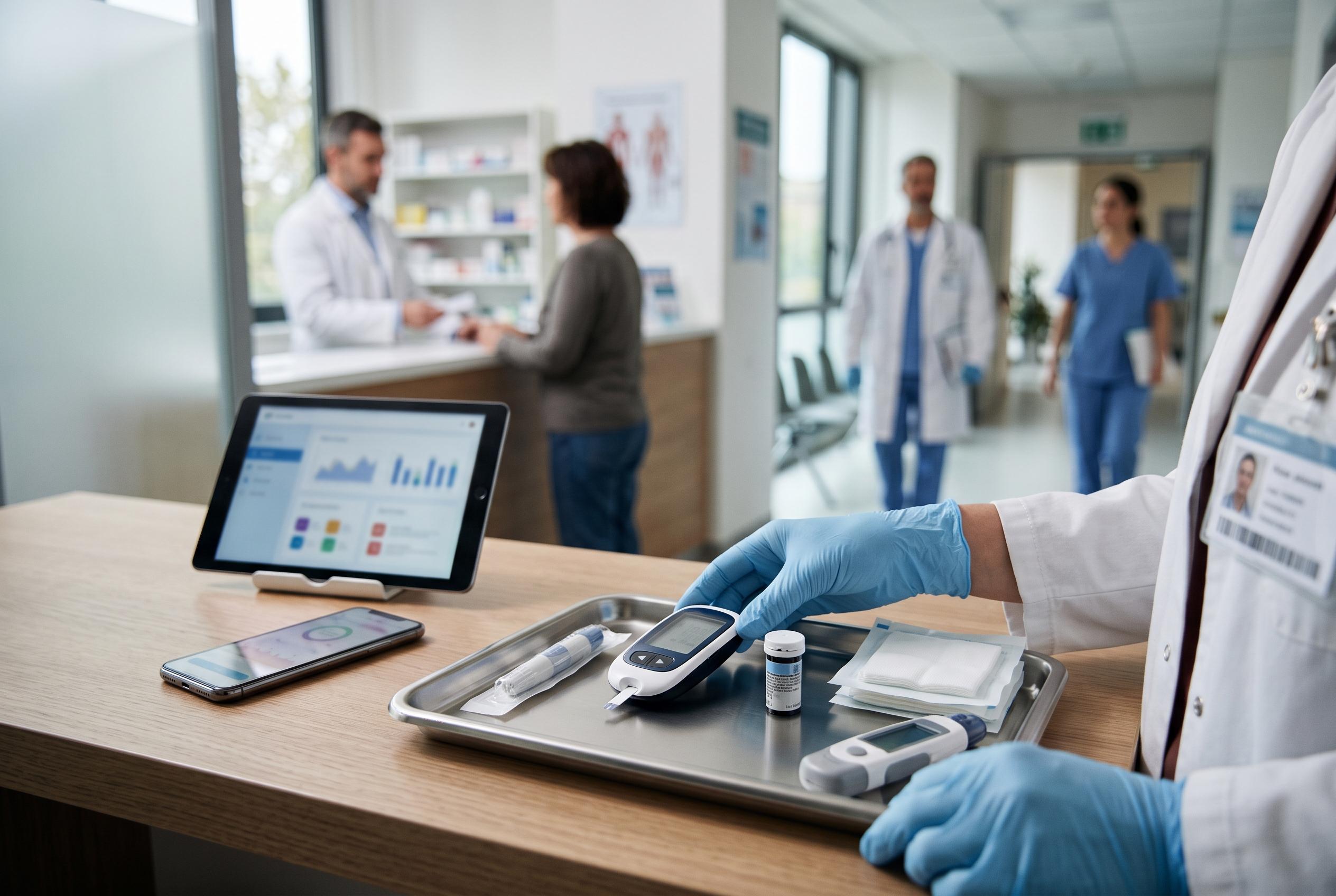

Sinocare unveils a range of connected diagnostic tools at the European Association for the Study of Diabetes meeting in Milan, aiming to broaden its role from home testing to comprehensive care across clinics, pharmacies, and hospitals.
Sinocare is using this year’s European Association for the Study of Diabetes meeting in Milan to present a wider push beyond home glucose testing, positioning itself as a supplier of connected tools for screening, monitoring and longer-term management across different care settings.
According to the company’s announcement, the portfolio on display is designed for use at home, in community pharmacies and in hospitals. In the home-care category, Sinocare is highlighting its Safe AQ max II blood glucose system, which it says returns a reading in five seconds and links to mobile devices via Bluetooth. It is also promoting the KUG-11 meter, which combines glucose, uric acid and ketone testing, as well as a veterinary glucose monitor aimed at pet owners.
For pharmacies, Sinocare says its iCARE-1300 analyser can run tests on close to 100 parameters, including blood glucose, lipids, HbA1c and kidney function markers, with results available in minutes. The company is also promoting a “Health Station” model that it says could help neighbourhood pharmacies take on a broader role in diabetes screening and risk assessment.
In hospitals, Sinocare is pointing to its AGEscan detector, which it says can assess advanced glycation end products without drawing blood, and to a blood glucose management system that links with hospital information systems and supports bedside monitoring. The presentation comes as the Shenzhen-based company continues to build on claims that it serves more than 25 million users in 187 countries and regions, although those figures are company-provided and not independently verified in the materials supplied.
Disclaimer: This content is for informational purposes only and is not intended to be a substitute for professional medical judgment, advice, diagnosis, or treatment.



