

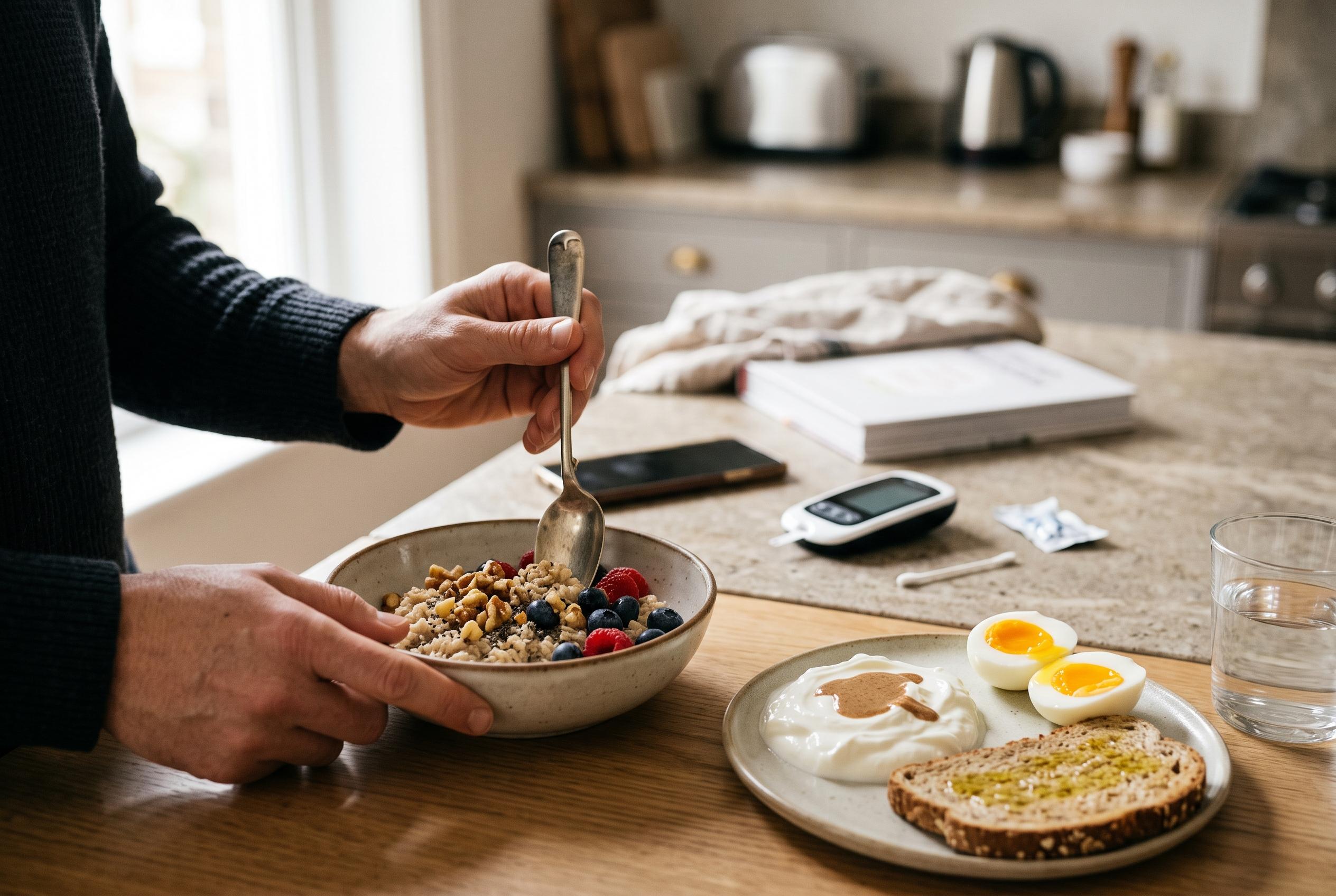

While porridge is often considered a healthy start, experts warn that oats may not be suitable for everyone due to concerns about mineral absorption and blood sugar spikes. A balanced breakfast with protein and fats might be a better option for some, challenging common perceptions of oat-based mornings.
Many people reach for porridge because it feels like a safe, healthy way to start the day. But Kateryna Hryhorieva, an endocrinologist cited by Cursorinfo in a post on Instagram, argued that oats are not automatically the best option for everyone, particularly when they are eaten every morning without any balancing protein or fat. Her warning reflects a broader point: breakfast foods that seem wholesome can still have drawbacks depending on how they are prepared and who is eating them.
One of the main concerns she raised was phytic acid, a naturally occurring compound in oats. Healthline notes that phytic acid can reduce the absorption of minerals such as iron, zinc and calcium, which is why it is sometimes described as an “anti-nutrient”. Over time, that matters most for people whose diets are already short on minerals. However, the same source also points out that phytic acid has antioxidant properties, so it is not simply harmful. The more practical issue is balance: soaking, sprouting or fermenting grains can reduce phytic acid, but those methods do not fully solve the problem in oats in the way they do for some other grains.
Hryhorieva also warned about the carbohydrate load of oatmeal, especially for people with insulin resistance. Here the evidence is more nuanced than a simple yes-or-no verdict. The glycaemic index of oats varies widely depending on processing: steel-cut oats tend to have a lower index, while instant oats can be much higher, according to glycaemic index references. In practice, that means a bowl of porridge may cause a modest rise in blood sugar for some people, but a sharper one for others, particularly if the portion is large or the oats are highly processed. For someone managing insulin resistance, the morning meal may work better when oats are paired with protein and fats, rather than eaten alone.
The same article also singled out avocado and cottage cheese as foods that are not always ideal at breakfast, though both are commonly marketed as healthy. Its advice was not to avoid them entirely, but to think more carefully about symptoms, timing and combinations. A breakfast built around eggs, fish, meat, nuts, green vegetables and other sources of protein and healthy fats, Hryhorieva said, is more likely to keep hunger and blood sugar steadier through the morning. That is a more measured message than the headline suggests: oats are not poison, but they are not universally the best answer either.
Disclaimer: This content is for informational purposes only and is not intended to be a substitute for professional medical judgment, advice, diagnosis, or treatment.



