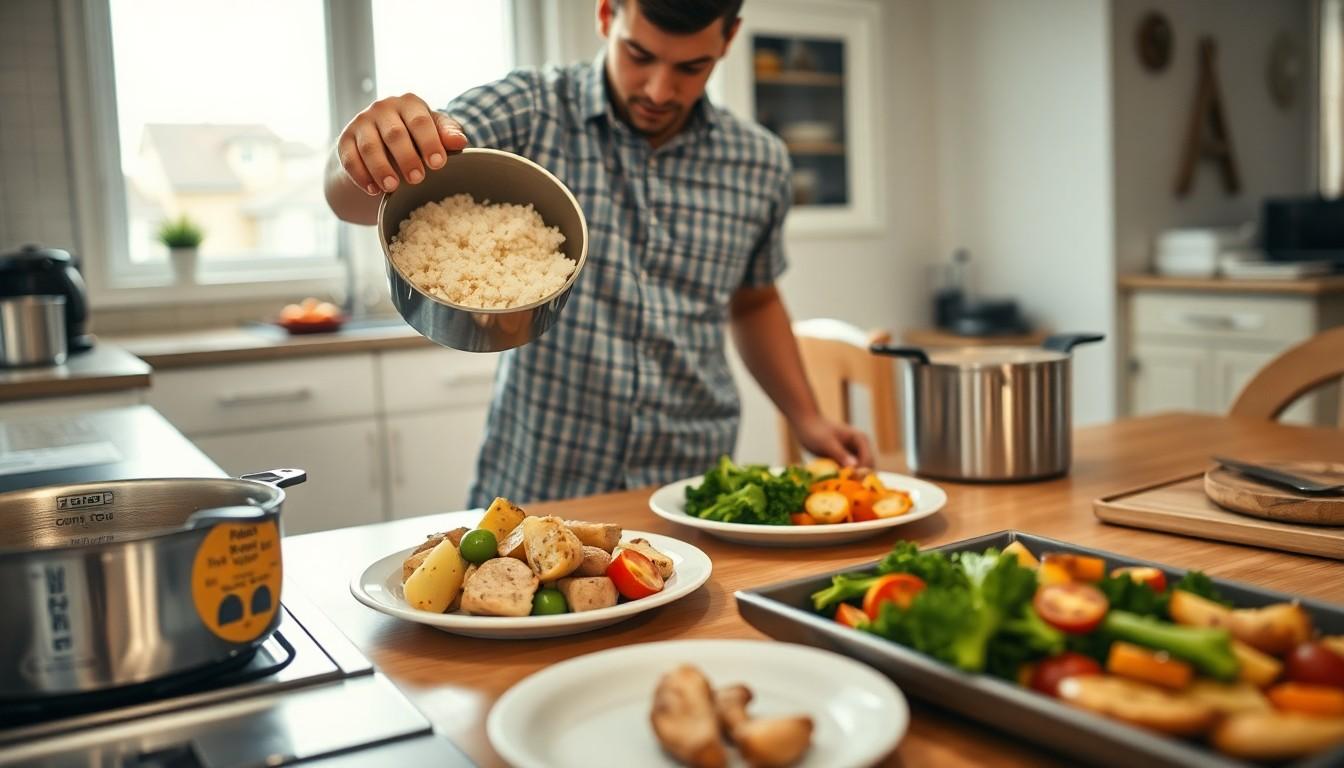

American dietitians emphasise that how rice and potatoes are prepared and served matters more for blood sugar control than choosing one over the other. Key factors include cooking methods, portion sizes, and meal composition, alongside understanding glycaemic index and load.
American dietitians say the question of whether rice or potatoes is “better” for blood sugar is less important than many people think. The bigger issue is how the food is prepared, how much is served and what else is on the plate. According to Walla, the idea that either staple must be avoided altogether is too simplistic, because the body’s response varies widely depending on the variety, cooking method and the overall meal.
The key distinction is between glycaemic index and glycaemic load. The glycaemic index measures how quickly a carbohydrate raises blood glucose, while glycaemic load takes portion size into account and gives a more practical picture of the effect of a real serving. WebMD explains that foods with a high glycaemic index, including white rice and potatoes, can drive sharper rises in blood sugar, but the size of the portion matters just as much.
Potatoes generally score higher than rice on the glycaemic index, but that does not make every potato dish equal. WebMD notes that baked potatoes can have a very high glycaemic index, while boiled potatoes tend to be gentler on blood sugar. Other references also show that the exact potato variety, its maturity and the way it is cooked all change the outcome, and that cooling cooked potatoes can increase resistant starch, which is digested more slowly. Walla also points out that rice behaves differently depending on the type: basmati, which is richer in amylose, is absorbed more gradually than jasmine or sticky rice, while overcooking either rice or potatoes can make them easier for the body to break down.
Nutrition-wise, potatoes have an advantage in some settings because they contain more water and fewer carbohydrates per equal volume, which can lower their glycaemic load despite a higher index. They also provide potassium, vitamin C, vitamin A and some fibre, nutrients that rice does not offer in the same quantity, according to the material reviewed. The practical advice is not to eliminate either food, but to choose less processed varieties, keep portions moderate and pair them with protein and fibre-rich vegetables to slow sugar absorption.
Disclaimer: This content is for informational purposes only and is not intended to be a substitute for professional medical judgment, advice, diagnosis, or treatment.