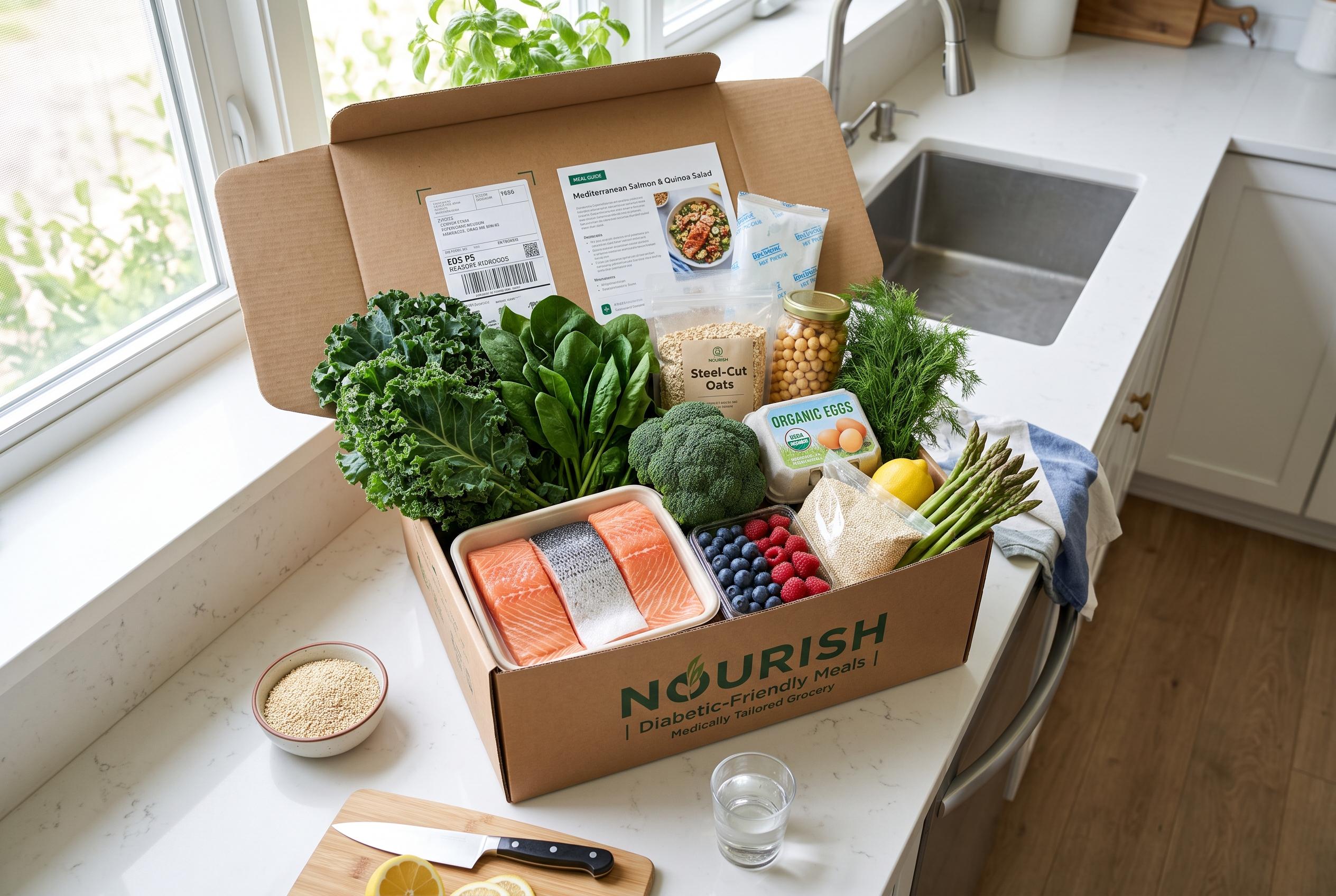

A recent study indicates that medically tailored grocery deliveries can significantly improve blood sugar levels among food-insecure adults with type 2 diabetes, highlighting the potential of ‘food is medicine’ approaches in chronic disease management.
A study published in Circulation suggests that home-delivered, medically tailored groceries can help improve blood sugar control for adults with type 2 diabetes who are also struggling to afford healthy food. Researchers at Kaiser Permanente Southern California worked with 460 Medicaid-insured patients whose HbA1c levels showed their diabetes was poorly controlled.
The trial tested whether food support could do more than simply ease the grocery bill. Participants either continued with usual care or received monthly packages of healthy foods for 6 months, along with simple recipes and online nutrition counselling. The grocery deliveries were valued at between $100 and $210 a month, according to the report.
The findings pointed to a modest but meaningful benefit. Blood sugar improved more in the group receiving the groceries than in the usual-care group, with HbA1c falling by about two-thirds of a percentage point compared with roughly one-quarter of a percentage point. The study also found that people in the intervention were more likely to report reliable access to nutritious food, suggesting that better food security may have helped drive the improvement.
The research did not show clear changes in weight or blood pressure over the 6-month period. But the authors noted that those measures often take longer to shift. The benefits appeared across different groups, including men and women, people with different levels of education and those with varying degrees of food insecurity, and the results held even after accounting for medicines and other health conditions.
The study adds to a growing body of evidence that food can be part of diabetes treatment rather than just a background factor. A pilot trial published in BMC Public Health also found that a community health worker-led grocery programme, involving weekly deliveries of produce and shelf-stable food plus nutrition teaching, reduced HbA1c in food-insecure patients with type 2 diabetes. Other recent trials, including work in adults insured by Medicaid plans, have examined medically tailored meals and food subsidies as ways to improve diabetes outcomes, underscoring interest in “food is medicine” programmes as a practical tool in chronic disease care.
Disclaimer: This content is for informational purposes only and is not intended to be a substitute for professional medical judgment, advice, diagnosis, or treatment.