


A six-month study at the University of Auckland revealed that while feijoa fruit powder did not improve blood sugar control in adults with prediabetes, it was linked to a significant decrease in systolic blood pressure, prompting calls for further research into its cardiovascular benefits.
Researchers at the University of Auckland have reported an unexpected result from a six-month trial of feijoa powder in adults with prediabetes: the tropical fruit supplement did not appear to improve blood sugar control, but it was associated with a larger fall in systolic blood pressure than placebo. The findings come from FERDINAND, described by the authors as the first long-term human trial of whole-fruit feijoa powder, and they have added a new cardiovascular angle to a line of research originally focused on preventing type 2 diabetes.
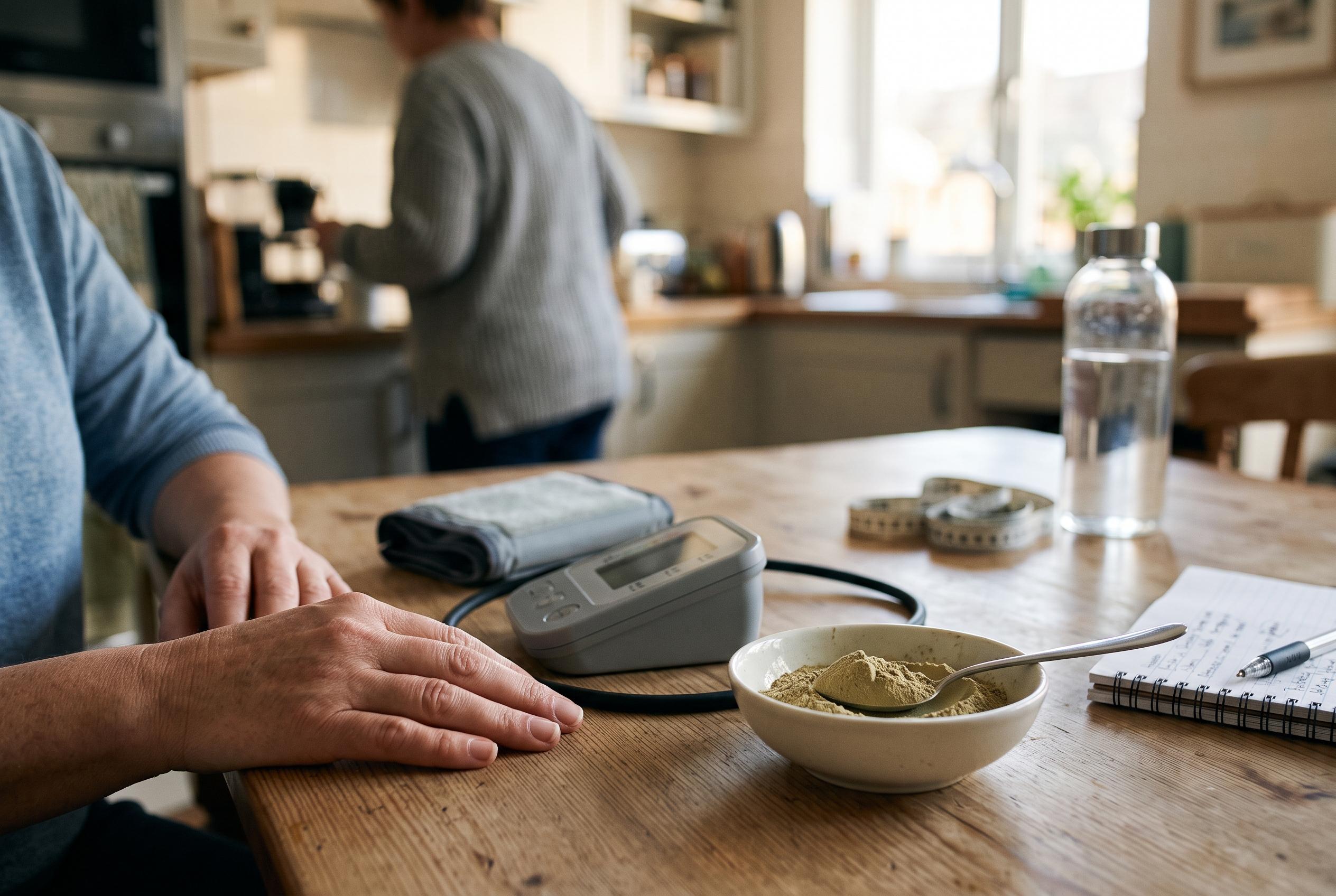
The trial followed 97 adults with overweight and elevated blood sugar as they tried to lose weight. Participants took either about 1 gram of feijoa powder a day or a placebo, mixed into water or breakfast, while also using a meal-replacement programme at the start of the study and then moving into a maintenance phase. According to the paper published in Diabetes, Obesity and Metabolism, the supplement did not produce meaningful differences in weight loss or fasting glucose compared with placebo, but the blood pressure readings told a different story.
Dr Ibrahim Mohamed of the University of Auckland said the result was not the one the team expected. “It’s not what we set out to find, but it’s interesting and certainly warrants more research,” he said. The researchers cautioned that the blood pressure effect was not uniform across every analysis and that the study was too small to prove causation. Even so, they wrote that larger trials are needed to determine whether whole-fruit feijoa powder can play any role in blood pressure management.
Interest in feijoa has grown because the fruit contains a mix of compounds that could affect metabolism, including polyphenols, flavonoids, vitamin C and abscisic acid. Those ingredients are thought to have antioxidant and anti-inflammatory properties, and they have made feijoa an appealing candidate for controlled human studies. An earlier short-term trial in Iran had already suggested possible benefits for people with type 2 diabetes, and a separate preprint this year reported improvements in markers such as HbA1c, fasting glucose and LDL cholesterol after 12 weeks of daily supplementation in adults with prediabetes. Taken together, the studies suggest the fruit may warrant closer examination, even if its effects may differ depending on dose, duration and the outcome measured.
Disclaimer: This content is for informational purposes only and is not intended to be a substitute for professional medical judgment, advice, diagnosis, or treatment.



