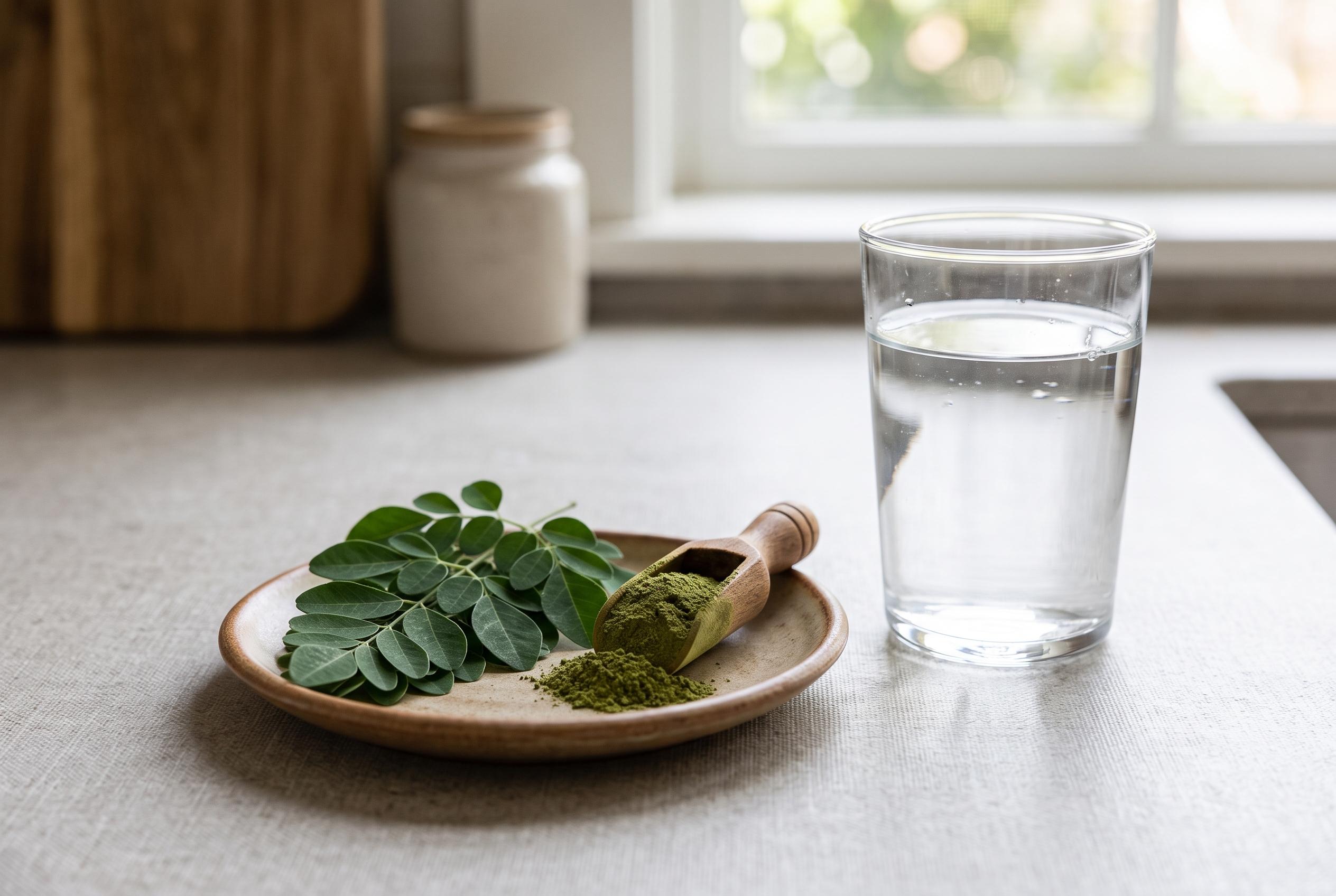

While popular online claims tout moringa as a natural remedy for blood sugar control, scientific evidence remains limited. Experts emphasise that more research is needed before it can reliably aid in diabetes management, highlighting its role as a nutrient-rich supplement rather than a cure.
Moringa has become a staple of wellness chatter online, with some posts presenting it as a natural way to bring down blood glucose. But while the plant has a long history of use and a genuinely interesting nutrient profile, the science has not yet caught up with the boldest claims.
Moringa oleifera, sometimes called the “tree of life”, is native to South Asia and is now consumed in leaves, dried powder and capsules. Cleveland Clinic says the plant contains vitamins A, C and E, along with calcium, potassium, iron, magnesium, phosphorus and zinc. It is also unusual among plant foods because it provides all essential amino acids, which makes it a complete protein source.
The interest in diabetes is not baseless. A systematic review in PubMed that looked at animal and human studies found that moringa extracts showed glucose-lowering effects in animals, while a separate scoping review reported statistically significant reductions in blood sugar in both rats and humans. Another randomised placebo-controlled trial found that 8 grams a day of moringa leaf capsules for four weeks improved glycaemic control in people with type 2 diabetes who had not yet started treatment.
Even so, the evidence remains too limited to treat moringa as a stand-alone therapy. The PubMed reviews stressed that the available human data are small and not strong enough to support replacing prescribed diabetes medicines. Cleveland Clinic likewise notes that more research is needed before moringa can be recommended for preventing or treating illness.
That makes the plant better understood as a nutrient-dense supplement to a balanced diet rather than a cure for high blood sugar. Its fibre, protein and mineral content may be useful, but the comparisons often made online , such as claims that it outperforms milk or liver , can be misleading because nutrient value depends on portion size, absorption and overall diet. For anyone already taking glucose-lowering medication, medical advice should come before adding moringa in concentrated form on a regular basis.
Disclaimer: This content is for informational purposes only and is not intended to be a substitute for professional medical judgment, advice, diagnosis, or treatment.