

Researchers in Argentina have developed Retinar, an AI-powered tele-ophthalmology system that streamlines retinal screening and speeds up identification of high-risk diabetic retinopathy cases, offering new hope for early intervention and improved patient care.
An Argentine team has developed an artificial intelligence system that could make it easier to spot one of diabetes’s most serious eye complications before it causes lasting harm. Retinar, a tele-ophthalmology platform created by researchers at CONICET and the National University of the Centre of the Province of Buenos Aires, scans retinal images and flags patients who may need specialist care. According to the underlying reporting, the condition it targets, diabetic retinopathy, can progress for years without obvious symptoms and remains a major cause of preventable vision loss in working-age adults.
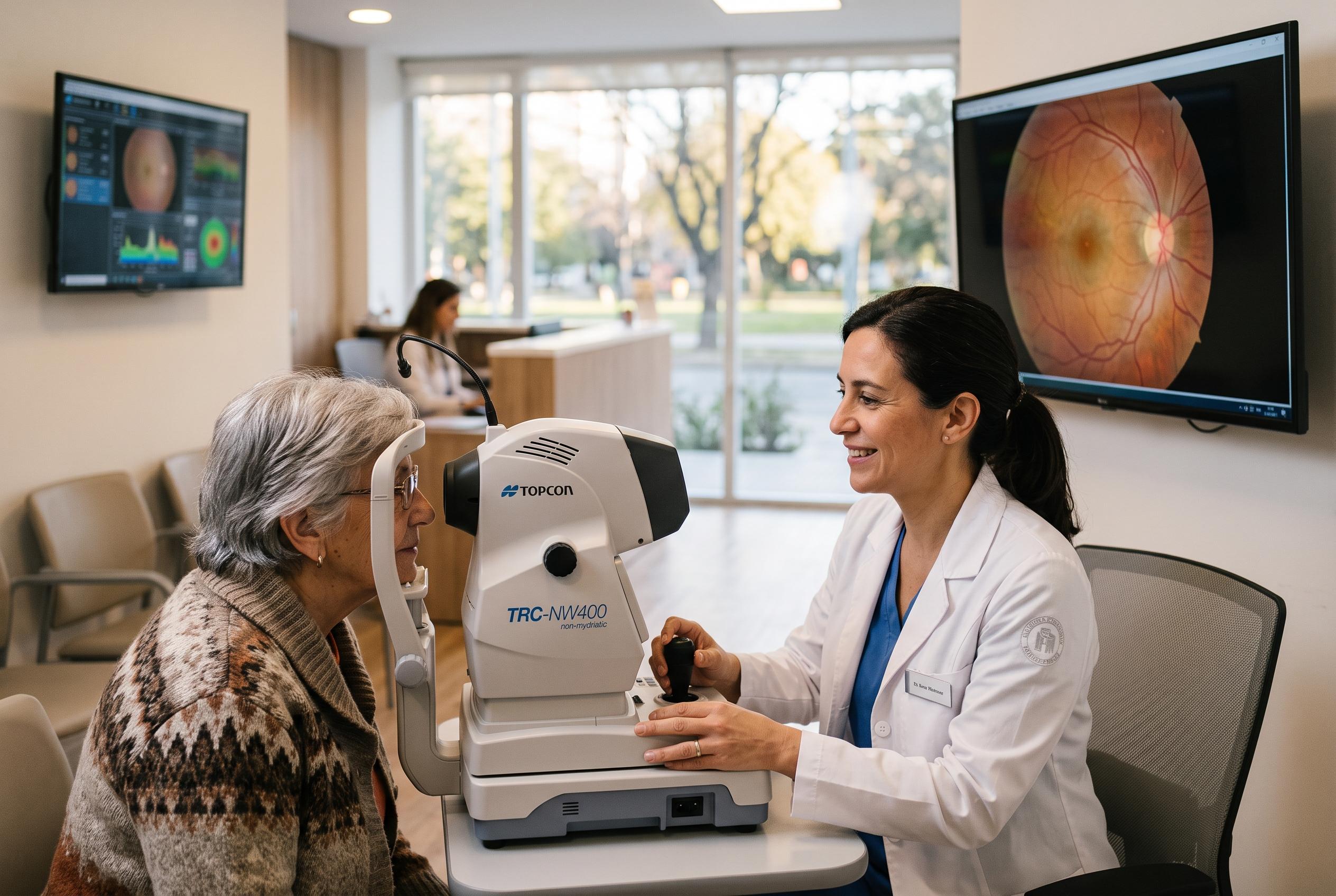
The platform works with retinographs, which capture images of the back of the eye without the need to dilate the pupil. Those images can be taken in hospitals or primary care centres by trained staff and then reviewed remotely. The system uses artificial intelligence in two stages: first, it checks whether the image is clear enough to analyse; then it looks for signs consistent with diabetic retinopathy and helps identify cases that should be prioritised for urgent review. José Ignacio Orlando of CONICET said the team found that image quality control was essential once it began working with health services.
The developers trained the model on tens of thousands of retinal images that had already been assessed by specialists and drawn from different hospitals, teams and patient groups. That breadth was intended to make the system more reliable across varied settings rather than only in controlled conditions. The approach is meant to support, not replace, clinicians: Orlando said the software helps organise routine work, speeds up triage and lets specialists focus first on the highest-risk cases, while clinical responsibility stays with doctors.
CONICET says Retinar is already being used in hospitals in Tandil, Florencio Varela and Necochea, where it has helped assess hundreds of patients and identify cases compatible with referable diabetic retinopathy. The project illustrates how locally developed medical technology can ease pressure on overloaded eye-care services and bring earlier screening closer to patients who might otherwise reach an ophthalmologist only after damage has become irreversible. Retinar’s backers say the platform was built to work in real-world settings alongside existing equipment and professional oversight.
Disclaimer: This content is for informational purposes only and is not intended to be a substitute for professional medical judgment, advice, diagnosis, or treatment.