

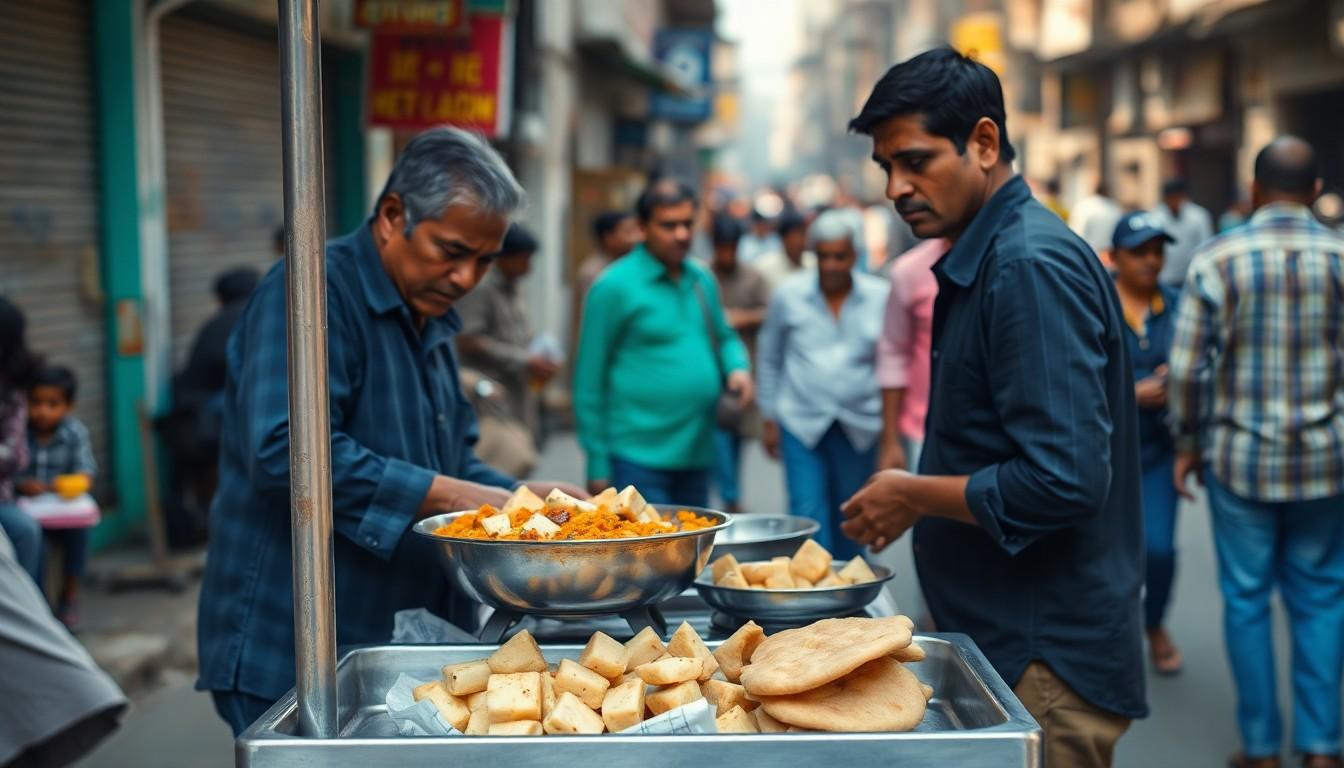

A dietitian reveals practical strategies for vegetarians and vegans to meet their daily protein needs without eggs or meat, emphasising meal variety and the importance of plant and dairy sources like soy, paneer, and yoghurt.
Meeting a protein target of 90 grams a day without eggs or meat is entirely achievable, dietitian Amreen Sheikh of KIMS Hospitals in Thane says, provided meals are planned with care. Her guidance reflects a broader point echoed across nutrition advice for vegetarians and vegans: protein is not confined to animal foods, and a varied mix of plant and dairy products can supply plenty of it.
Rather than trying to cram all the protein into one meal, Sheikh recommends spreading intake through the day. That approach, which also aligns with advice from Healthline and WebMD on plant-based eating, can help with satiety, steadier energy levels and muscle recovery. In practical terms, it means making every meal count instead of treating protein as an afterthought.
A breakfast of paneer, Greek yoghurt or milk, perhaps with roasted chana or peanut butter on whole-grain toast, can get the day off to a strong start. For lunch, dal, rajma, chole or sprouts paired with roti or brown rice work well. Dinner can lean on tofu, paneer or soy chunks alongside vegetables and millet or chapati, while snacks such as roasted soy nuts, unsweetened yoghurt, buttermilk, seeds or roasted chana can help close any remaining gap.
Soy deserves particular attention because it is one of the few plant foods that provides a complete protein profile, meaning it contains all essential amino acids. That is why tofu, soy chunks, edamame and soya milk appear repeatedly in vegetarian nutrition guidance from Cleveland Clinic, the Vegetarian Society and the Physicians Committee for Responsible Medicine. Dairy foods such as milk, curd, paneer and Greek yoghurt also remain valuable for vegetarians who include them in their diets.
Sheikh suggests that a day’s intake might be built from two glasses of milk, 100 grams of paneer, a cup of Greek yoghurt, a cup of cooked dal, a serving of soy chunks and a handful of roasted chana or nuts, which together can bring someone close to the 90-gram mark. Still, protein requirements are not identical for everyone. Age, body weight, activity level and health status all matter, and people with kidney or liver disease should seek professional advice before making major dietary changes, a caution also reflected in wider nutritional guidance.
Disclaimer: This content is for informational purposes only and is not intended to be a substitute for professional medical judgment, advice, diagnosis, or treatment.



