

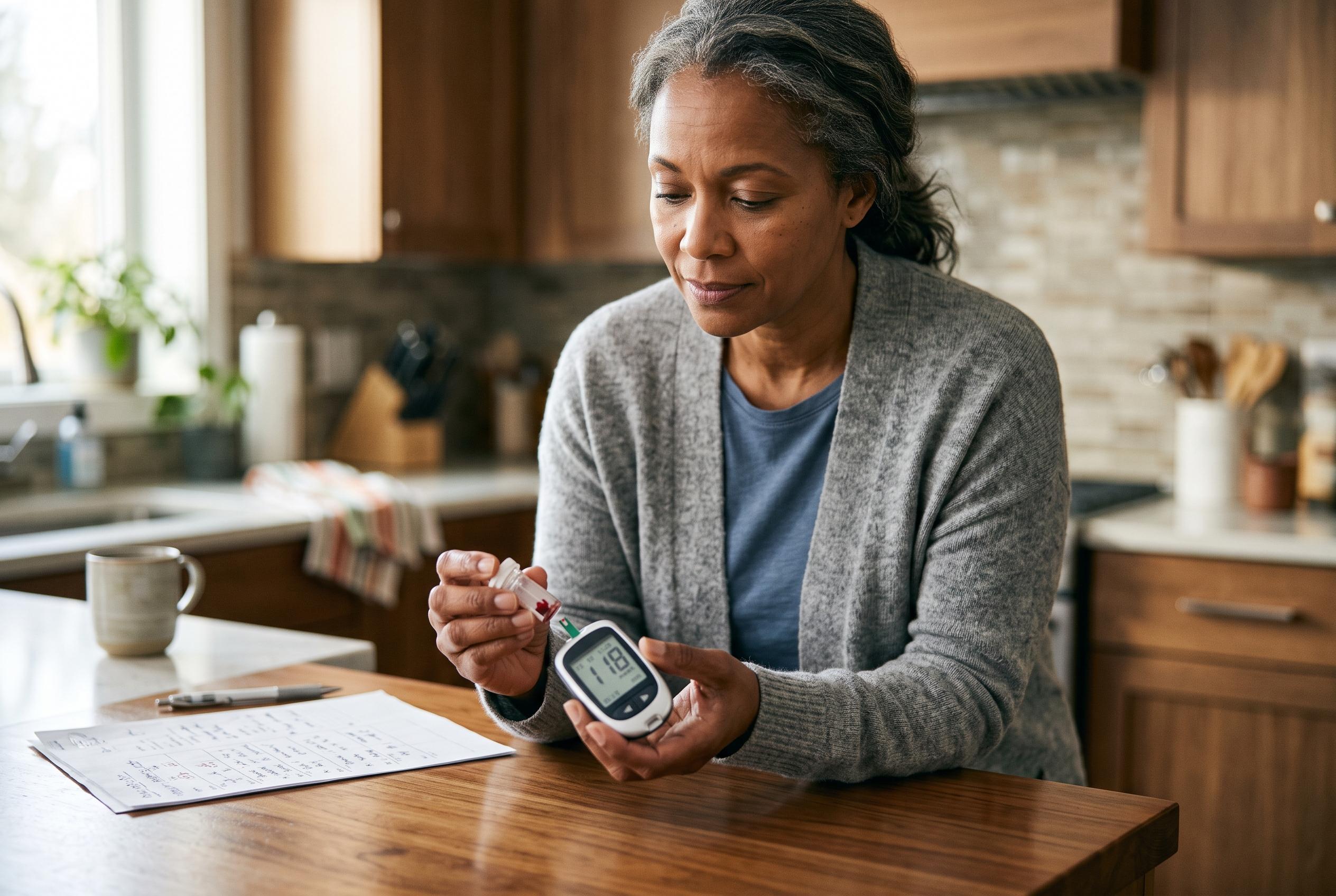

Medical experts highlight the importance of understanding the differences between immediate blood sugar levels and long-term HbA1c results for accurate diabetes risk assessment.
A single finger-prick glucose reading and an HbA1c result can point in different directions because they measure different things. In the Indian Express report, Dr Vijay Negalur, head of diabetology at KIMS Hospitals in Thane, said an 81 mg/dL glucose reading reflects blood sugar at that moment, while HbA1c gives a broader picture of average levels over the past two to three months. That means a normal spot reading does not automatically cancel out a borderline HbA1c result.
That distinction matters because HbA1c is not a snapshot. MedlinePlus explains that the test measures how much glucose has attached to haemoglobin in red blood cells, which builds up over time as those cells circulate. The National Library of Medicine says that, under normal conditions, red blood cells live for about 120 days, which is why HbA1c reflects longer-term blood sugar trends rather than the immediate effect of a meal, exercise or stress.
For most adults, an HbA1c below 5.7% is considered normal, while 5.7% to 6.4% falls in the prediabetes range, according to the National Library of Medicine. It also notes that if HbA1c and blood glucose readings do not seem to match, doctors should consider whether another condition is affecting the test’s accuracy. In practice, the two numbers are best read together: one shows the present, the other the pattern.
Disclaimer: This content is for informational purposes only and is not intended to be a substitute for professional medical judgment, advice, diagnosis, or treatment.



