

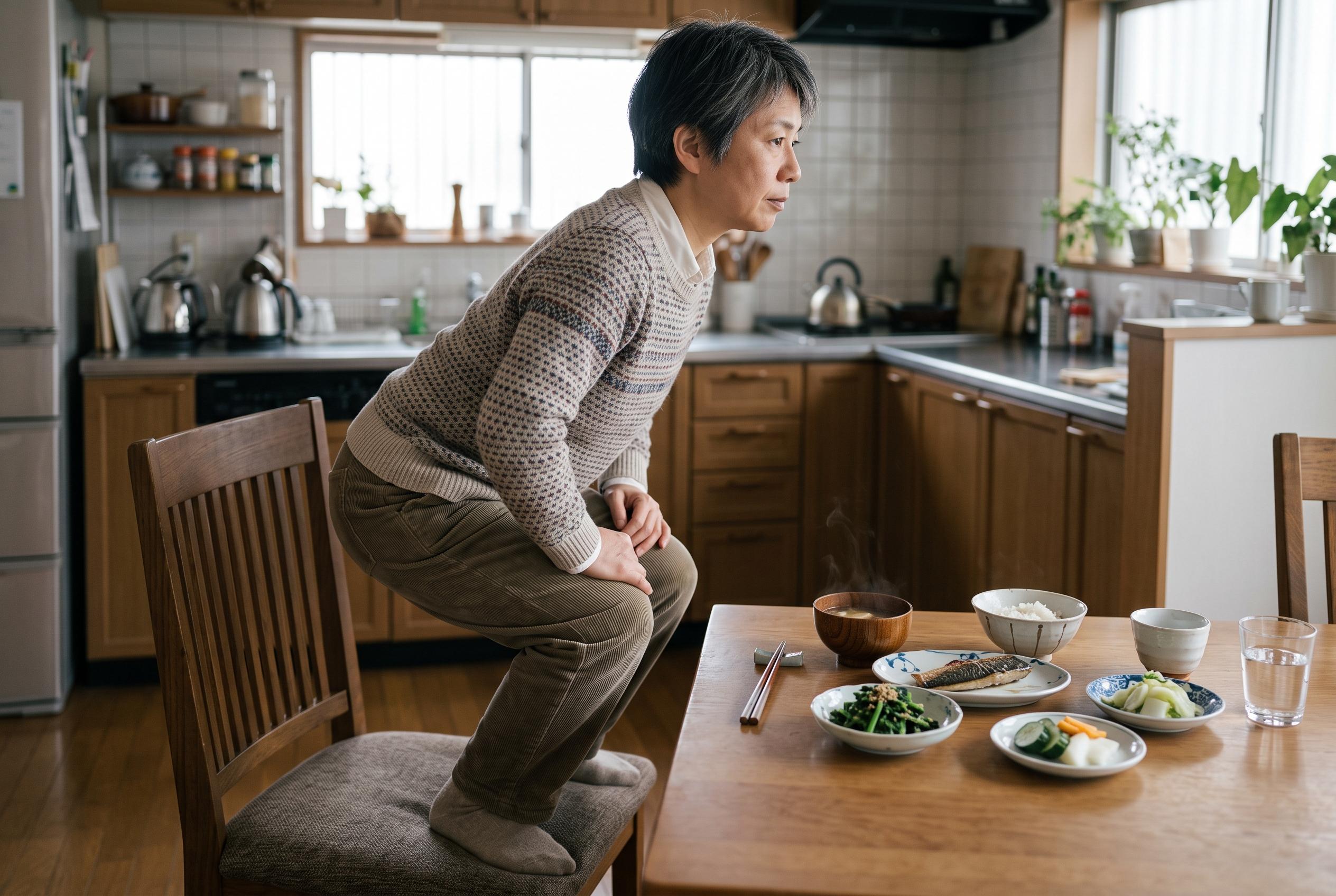

A Japanese physician highlights the effectiveness of brief, targeted squats performed immediately after meals, which may surpass longer walks in reducing blood sugar spikes and improving metabolic health, supported by recent research.
A Japanese physician is drawing fresh attention to a simple idea: brief, post-meal movement may help blunt blood sugar rises more effectively than a longer walk. According to the article, Zenji Makita recommends a two-minute sequence of slow squats performed soon after eating, arguing that the routine can be a more efficient way to manage glucose than a 15-minute brisk walk.
Makita’s method, as described in the piece, uses a controlled tempo: six seconds to lower the body and six seconds to stand back up, repeated ten times. The argument is that this form of exercise engages the legs, hips and core more heavily than walking, encouraging muscles to draw on circulating glucose at the point when blood sugar is beginning to rise. He also says the timing matters, with movement started within minutes of finishing a meal rather than after glucose has already peaked.
The broader research picture appears to support the general principle that short, frequent movement breaks can be powerful. A July 2026 study highlighted by NDTV found that ten squats every 45 minutes improved post-meal blood sugar control more than a continuous 30-minute walk, while reporting a reduction of about 40% in blood sugar levels compared with the longer walk. Moneycontrol said the same line of research suggests repeated movement breaks, whether through squats or walking, work better than prolonged sitting. Other reporting, including from Tom’s Guide and The Manual, has pointed to studies showing squats can outperform walking for glucose control because they activate more muscle groups and increase glucose uptake.
Still, the practical message is less about one perfect exercise than about reducing sedentary time and using large muscles regularly after eating. UBC Okanagan researchers have also suggested that the duration of exercise may matter more than intensity for blood sugar control in people with type 2 diabetes, reinforcing the value of consistency. Taken together, the findings suggest that even very small bursts of activity, if repeated often enough, may be a useful and realistic tool for people trying to improve metabolic health.
Disclaimer: This content is for informational purposes only and is not intended to be a substitute for professional medical judgment, advice, diagnosis, or treatment.



