

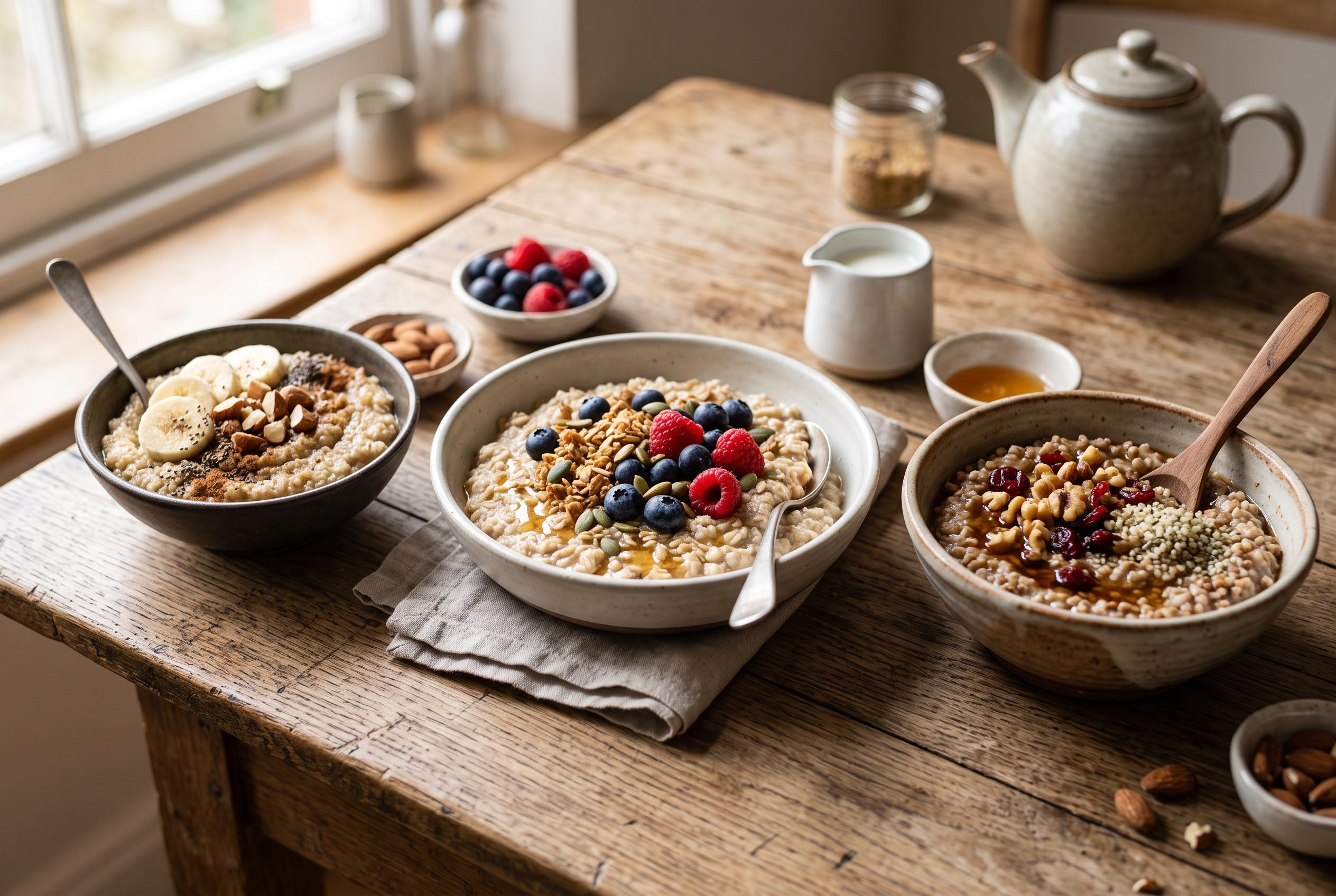

While popular breakfast porridges are often considered healthy, experts warn that the type of grain, processing method, and added ingredients can significantly influence their nutritional value and effect on blood sugar levels.
Popular breakfast porridge can be far less healthy than many people assume, depending on the grain, how finely it is processed and what is stirred into the bowl. Dmitry Karpenko, a physician specialising in therapy and gastroenterology, told Gazeta.Ru that the key questions are fibre content, nutrient density and glycaemic index, which measures how quickly a food raises blood sugar.
Karpenko said quinoa is among the strongest choices because it is gluten-free, relatively low on the glycaemic index and supplies all nine essential amino acids, as well as protein, magnesium, iron and B vitamins. Cleveland Clinic similarly describes buckwheat as a nutrient-rich, gluten-free grain with fibre, plant protein and a low glycaemic index, while Healthline says quinoa offers comparable benefits, including steadier blood sugar and greater satiety.
He placed buckwheat next on his list, pointing to its mix of B vitamins, potassium, zinc, magnesium and rutin, a compound linked to blood vessel health. Oats also made his preferred list, largely because of beta-glucans, a type of soluble fibre associated with lower cholesterol. Nutrition guidance from the Glycaemic Index website notes that oat products vary widely: steel-cut oats tend to behave differently from rolled or instant versions, with heavier processing generally pushing the glycaemic index higher.
By contrast, Karpenko warned against treating semolina as a default healthy breakfast. He said it is made from highly refined wheat, leaving very little fibre and a starch-heavy composition that can send blood sugar up quickly. He also cautioned that frequent meals built around high-glycaemic foods can increase insulin demand and, in the setting of excess calories, may encourage fat storage. He added that phytin in semolina can interfere with the absorption of minerals such as iron and calcium.
He gave similar caution to instant porridge mixes, which are often pre-processed, lower in fibre and sometimes fortified with sugar, salt and flavourings. Even a nutritious grain can become calorie-dense when loaded with sugar, butter or other rich toppings. Karpenko said milk adds protein and calcium, but lactose-intolerant people need alternatives. For people with gastritis, ulcers, pancreatitis or kidney disease, he said the right choice depends on the stage of illness, the grain’s texture and its mineral content. In flare-ups, he favours soft, viscous porridges such as oats or rice, while noting that millet may be too coarse for some digestive conditions and that wheat porridge should be portioned carefully by people with kidney problems.
Disclaimer: This content is for informational purposes only and is not intended to be a substitute for professional medical judgment, advice, diagnosis, or treatment.