

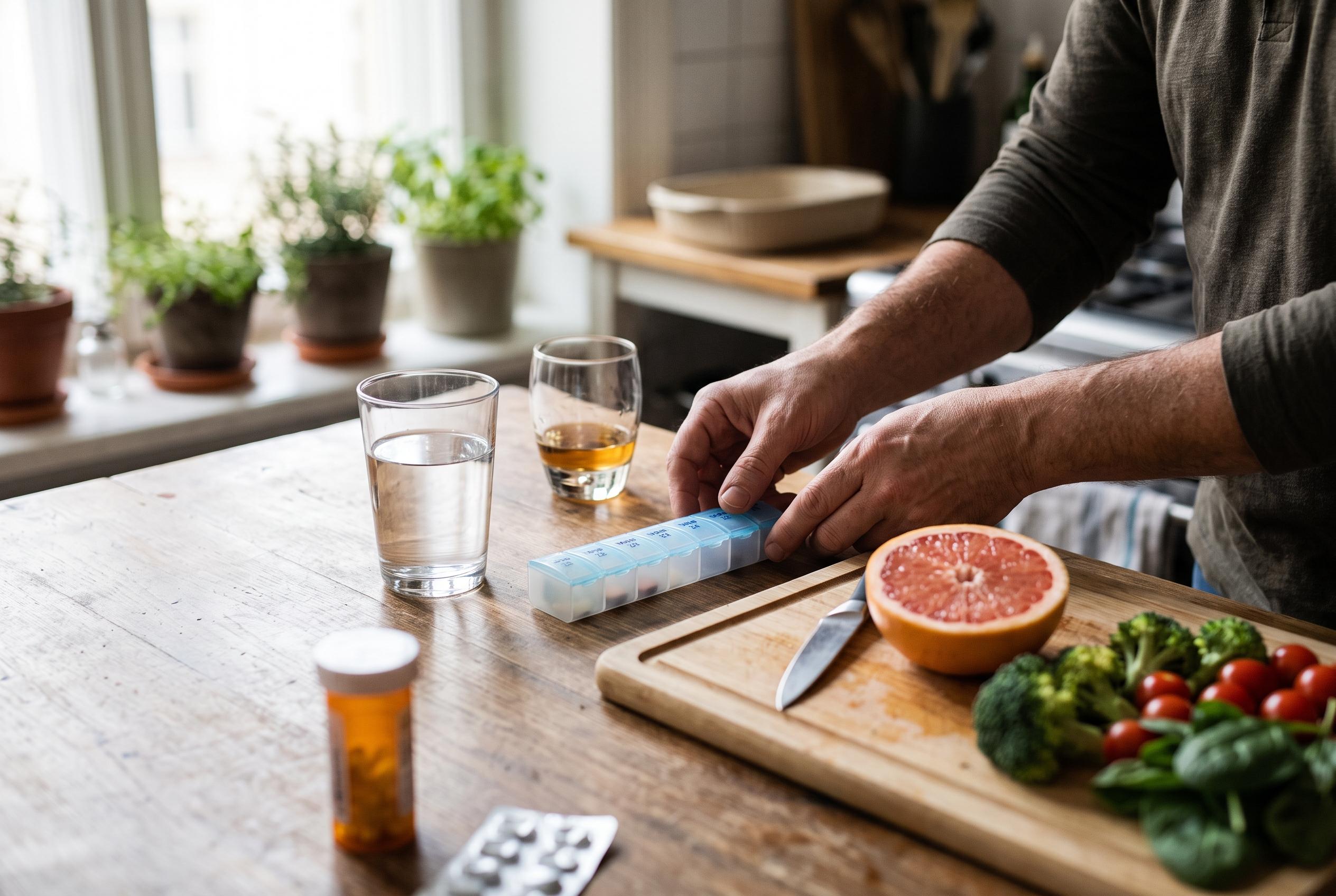

Emerging research reveals that certain foods and beverages, including grapefruit and alcohol, can disrupt the efficacy of diabetes medicines, urging patients to consider timing and choices for better treatment outcomes.
Food choices can shape how well diabetes medicines work, and some drinks and meals may do more than raise blood sugar. According to reporting from Asharq Al-Awsat, backed by medical guidance from the Mayo Clinic, certain foods can also alter how the body absorbs or breaks down prescription drugs, sometimes making treatment less predictable or increasing side effects.
Grapefruit is one of the best-known examples. The Mayo Clinic says it can interfere with the metabolism of several medicines, including some used in diabetes care, which may raise drug levels in the bloodstream. That matters because patients with diabetes are also often prescribed statins to reduce cardiovascular risk, and grapefruit can increase the amount of some of those drugs in the body, potentially raising the chance of muscle pain and, in more serious cases, kidney problems.
Alcohol is another area where caution is needed. Healthline, MedlinePlus, the Mayo Clinic and WebMD all note that alcohol can trigger dangerous drops in blood sugar, especially when taken on an empty stomach or alongside medicines that prompt the pancreas to release more insulin. It can also make blood glucose harder to predict and, in some drinks, add extra calories and carbohydrates that contribute to weight gain and poorer long-term control.
Meals that cause rapid spikes in glucose are also poor partners for diabetes treatment. Asharq Al-Awsat points to foods with a high glycaemic index, such as soft drinks, sweetened juices, white bread, white rice, processed cereals, cakes, biscuits and sweets. These are digested quickly and can drive sharp rises in blood sugar, while also encouraging overeating. Foods rich in saturated or trans fats may add another burden, because they are harder to digest and can worsen nausea, bloating or reflux, particularly for people taking metformin or GLP-1 receptor agonists, which can already cause stomach upset.
The broader message from diabetes specialists is not that people need a restrictive diet, but that timing, portions and food quality matter. Fruit, vegetables, whole grains, lean proteins, unsweetened dairy and healthy fats are generally better choices for steadier glucose control and fewer medication problems. In practice, that means checking labels, limiting highly processed foods and asking a clinician or pharmacist about possible food-drug interactions before making grapefruit, alcohol or other dietary staples part of a regular routine.
Disclaimer: This content is for informational purposes only and is not intended to be a substitute for professional medical judgment, advice, diagnosis, or treatment.



