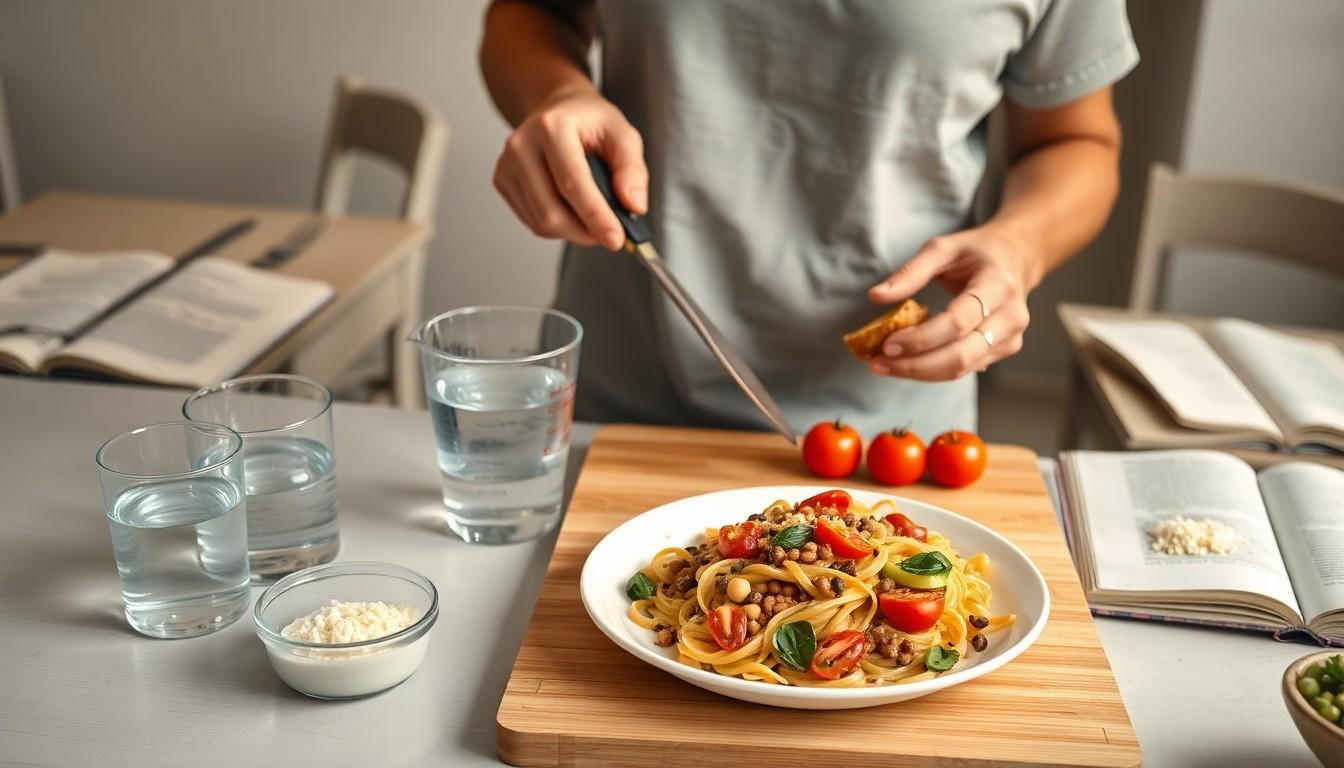

With mindful ingredient choices and portion control, pasta can be part of a balanced diet for people with type 2 diabetes, supporting heart health and blood sugar management.
Pasta does not have to be off the menu for people with type 2 diabetes, but the way it is assembled can make a significant difference. Nutrition specialists say the aim is to build a meal that slows digestion, limits blood sugar spikes and supports heart health, rather than treating pasta as a stand-alone carbohydrate.
One of the simplest ways to improve a bowl of pasta is to load it with non-starchy vegetables. Kale, broccoli, spinach, mushrooms, asparagus, cucumbers and similar produce can add volume, fibre, vitamins and minerals without contributing many carbohydrates. Medical New Today notes that high-fibre vegetables may also help with glucose control and weight management by slowing digestion and increasing fullness.
Sauce choice matters as much as the noodles themselves. Cream-based sauces tend to bring more saturated fat and sodium, both of which are worth limiting for anyone with diabetes because of the condition’s link with cardiovascular disease. Reuters-style guidance from nutritionists quoted in the original piece points towards olive oil, garlic and tomato-based sauces as better options, with jarred sauces ideally free from added sugar and kept modest in sodium and carbohydrate content.
For those looking to cut carbohydrates further, vegetable noodles offer another route. Zucchini spirals, bell peppers, carrots, broccoli and beet-based noodles can provide a lighter, more nutrient-dense base than wheat pasta. As a broader point, other diabetes-focused guides say alternatives such as spaghetti squash and shirataki noodles can also help reduce the carbohydrate load of a meal.
Portion size remains central. Health experts say restaurant servings have grown over time, making it easy to eat far more carbohydrates than intended. A practical approach is to divide the plate so that vegetables take up about half, with the remainder split between carbohydrates and lean protein. The CDC’s advice to use a 9-inch plate is intended to make that balance easier to judge, while diabetes specialists often suggest working within an individual carbohydrate target rather than relying on a one-size-fits-all rule.
Adding a lean protein can help round out the meal and blunt the speed at which carbohydrates are absorbed. Chicken, fish, tofu, beans or other protein sources may make pasta more filling and reduce the temptation to over-serve the noodles. Taken together, these adjustments turn pasta from a blood sugar challenge into a more balanced dish that can still fit within a type 2 diabetes meal plan.
Disclaimer: This content is for informational purposes only and is not intended to be a substitute for professional medical judgment, advice, diagnosis, or treatment.