

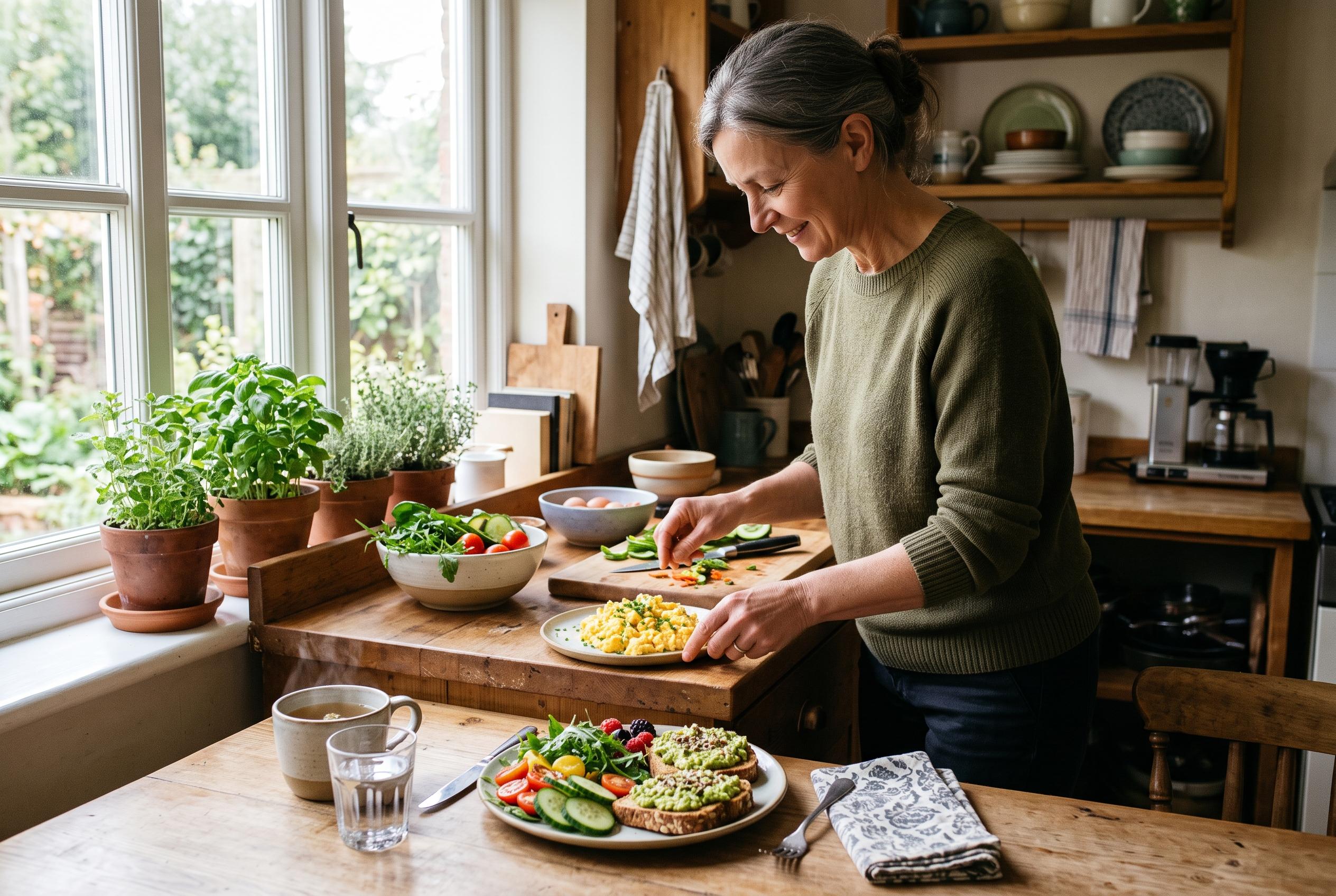

Choosing less processed carbohydrates, pairing them with protein and vegetables, and eating in the right order may help people with diabetes reduce post-breakfast glucose spikes.
For people with diabetes, breakfast does not have to mean cutting out starch altogether. The more important question, nutritionist Hsieh Yi-fang said in a post on her Facebook page, is whether the meal is built around the right kind of carbohydrate and paired in a way that blunts the rise in blood sugar. She pointed to recent research suggesting that bean-based breakfasts and low-glycaemic-index meals perform better for post-meal glucose control than highly refined options.
That practical advice is straightforward: choose less processed staples, add protein and vegetables, and avoid the classic combination of white toast, jam and sugary drinks. Hsieh suggested examples such as eggs with unsweetened soya milk and large-flake oats, barley rice with tofu and vegetables, or a small sweet potato with eggs and unsweetened soya milk. The broader message echoes diabetes-friendly breakfast guidance published by health and nutrition sites, which routinely recommend meals that combine carbohydrates with protein, fibre and healthy fats to slow digestion and reduce glucose spikes.
The emphasis on protein also comes with a caveat. Hsieh said morning protein matters, but more is not automatically better. She cited a 2026 review and meta-analysis of seven randomised controlled trials involving 305 adults aged 60 and above, which found no clear evidence that extra protein or amino acid supplements at breakfast improved muscle mass, grip strength or lower-body strength. Her suggested target of around 20 to 25 grams of protein at breakfast is consistent with other diabetes-focused advice that puts the morning meal in the 20 to 30 gram range.
She also warned that “whole grain” does not always mean low glycaemic index. Processing matters: grains that are crushed, puffed, flaked or cooked until very soft can be digested faster, even if they are technically whole grain. That is why intact oats, steel-cut oats and barley tend to be better choices than instant oats or overly refined breakfast cereals. Similarly, timing and order matter. A 2026 nutrition review found that eating later was associated with poorer post-meal glucose and lower insulin sensitivity, while studies in healthy adults showed that starting with vegetables, fruit or protein before carbohydrates can reduce the immediate glucose response.
Hsieh’s final point was that a good breakfast is not only about blood sugar. It should also support muscle, provide fibre and micronutrients, and fit into a regular eating pattern. She recommended simple formulas such as protein plus whole grains plus fruit or vegetables plus an unsweetened drink, followed by a little movement after eating, whether that means a short walk, household tasks or simply avoiding sitting still straight after breakfast. The overall aim, she said, is not to eat less, but to eat more completely, with less processing and better balance.
Disclaimer: This content is for informational purposes only and is not intended to be a substitute for professional medical judgment, advice, diagnosis, or treatment.



