

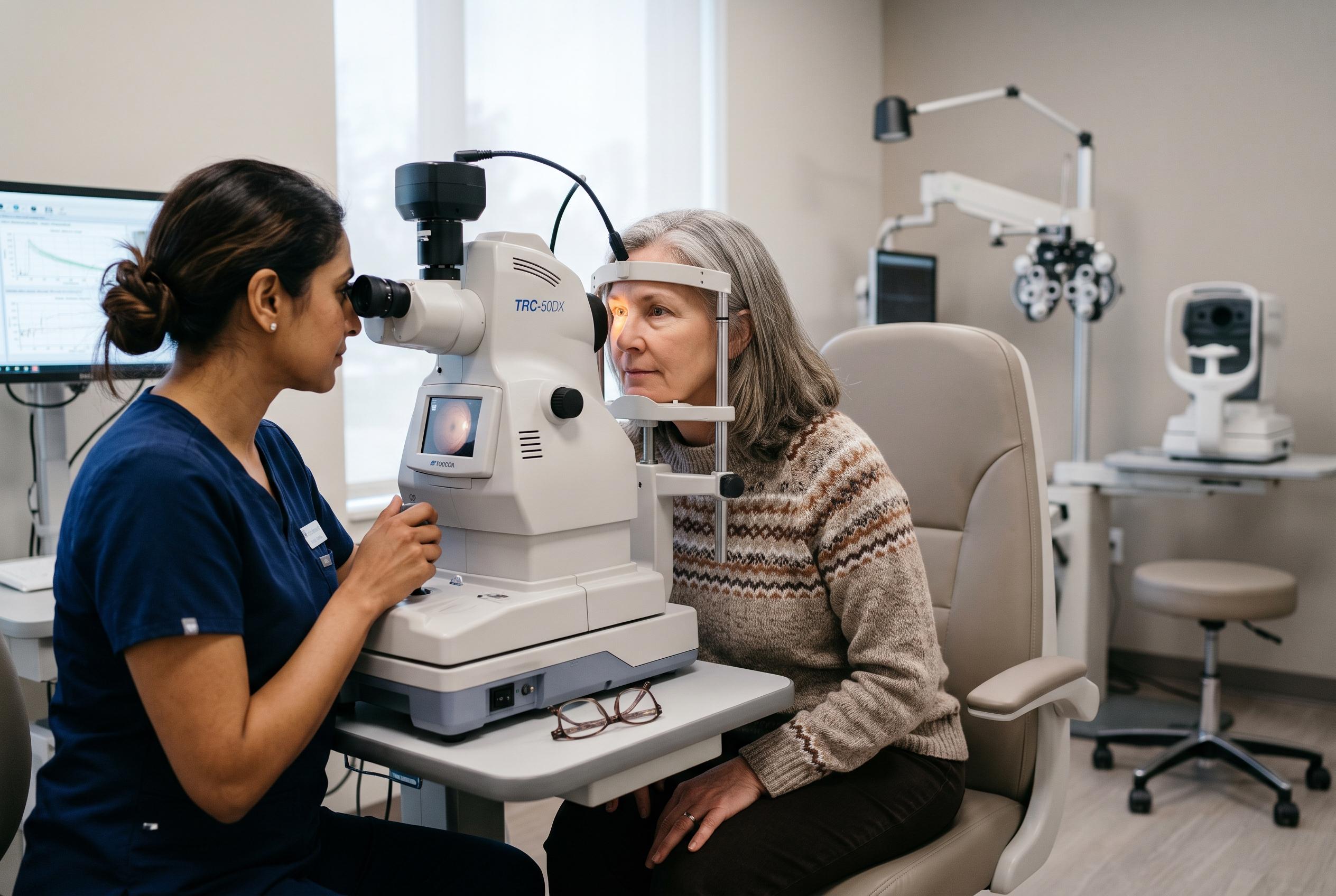

Diabetic eye disease can progress without pain or obvious symptoms, but blood sugar control and regular dilated eye examinations can help prevent avoidable sight loss.
Diabetes can do more than raise blood sugar.It can gradually damage the tiny blood vessels in the retina, the light-sensitive layer at the back of the eye, and that is why people with the condition face a higher risk of diabetic retinopathy, macular oedema, cataracts and glaucoma, according to guidance from the Mayo Clinic and the National Eye Institute. The danger is that these problems often begin without pain and may not cause obvious symptoms until damage is under way. Blurred vision, dryness, tearing and poorer sight at night are warning signs, while floaters, flashes, double vision, dark patches or a red, painful eye should prompt urgent medical attention.
Specialists at the Cleveland Clinic, the Centres for Disease Control and Prevention and Johns Hopkins Medicine say the strongest protection comes from good day-to-day control of diabetes, along with careful management of blood pressure and cholesterol. Smoking adds to the risk, while a diet built around vegetables, whole fruit, fish, nuts and adequate fluid intake can support overall vascular health. However, none of those measures replaces proper treatment, and no home remedy or over-the-counter eye drop can stand in for specialist care. In more advanced cases, treatment may involve injections into the eye, laser therapy or surgery, depending on the stage and severity of the disease.
The key tool for spotting trouble early is a dilated eye examination, which allows doctors to inspect the retina before vision loss becomes permanent, according to the Mayo Clinic and the National Eye Institute. For people with type 2 diabetes, such checks are recommended from the time of diagnosis. For those with type 1 diabetes, screening is generally advised within the first five years after diagnosis, or sooner if a clinician recommends it. Pregnant patients and people who already have retinal damage need closer monitoring.
Diabetic eye disease is not an unavoidable consequence of diabetes. The Mayo Clinic and the National Eye Institute both note that regular screening and better glucose control can reduce the chance of severe sight loss, and the CDC says the condition is a leading cause of blindness in working-age adults. The practical message is simple: do not wait for serious vision problems before seeing an eye specialist. Keeping blood sugar under control, taking prescribed medication and attending routine retinal checks remain the best way to protect sight over the long term.
Disclaimer: This content is for informational purposes only and is not intended to be a substitute for professional medical judgment, advice, diagnosis, or treatment.



