

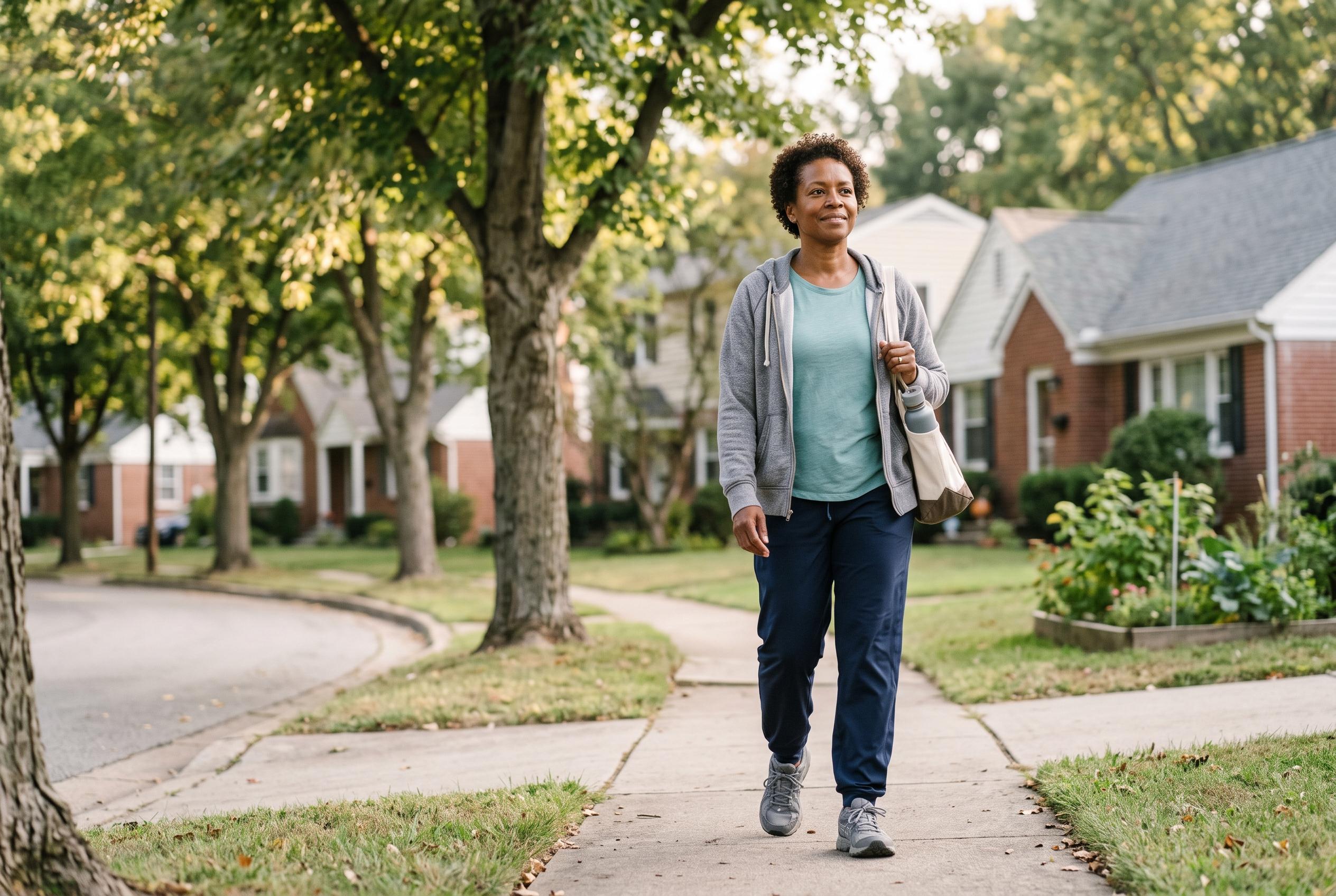

Morning walks may help curb the dawn rise in glucose, while a brief post-dinner stroll can limit evening spikes , but consistency matters most.
Whether it is better to walk in the morning or in the evening depends on what you are trying to control, and the timing can shape how your blood sugar responds, according to Verywell Health. For people with type 2 diabetes, a brisk walk after waking may help blunt the early-morning rise in glucose that many people experience, often called the dawn phenomenon. Research published in BioMed Research International in 2020 found that about 30 minutes of moderate aerobic exercise before breakfast significantly reduced morning blood-sugar spikes in people with type 2 diabetes.
Morning walks may also be easier to turn into a lasting habit. Verywell Health notes that a consistent exercise routine can help people build momentum at the start of the day, when schedules are often less crowded and motivation can be stronger. The American Diabetes Association says regular walking can lower blood glucose, improve insulin sensitivity and support cardiovascular health, making it a practical option for many people living with diabetes.
Evening walks have a different strength: they can reduce the rise in blood sugar after dinner. A study in Scientific Reports found that a short walk after the evening meal lowered post-meal glucose levels, which is especially useful because dinner is often the day’s largest or most carbohydrate-heavy meal. For people who can only fit in one walk a day, that post-dinner window may offer a straightforward way to limit glucose spikes.
Still, the best time is not the same for everyone. Verywell Health advises considering medication schedules, daily routines and individual blood-sugar patterns before settling on a fixed time. It also warns that exercising too close to bedtime can interfere with sleep, while people with type 1 diabetes or those using insulin should be especially cautious about late-day activity because it may increase the risk of overnight hypoglycaemia. The most important factor, the publication says, is consistency: a 10-minute walk after any meal can help slow the post-meal rise in blood sugar, whether that meal is breakfast, lunch or dinner.
Disclaimer: This content is for informational purposes only and is not intended to be a substitute for professional medical judgment, advice, diagnosis, or treatment.



