

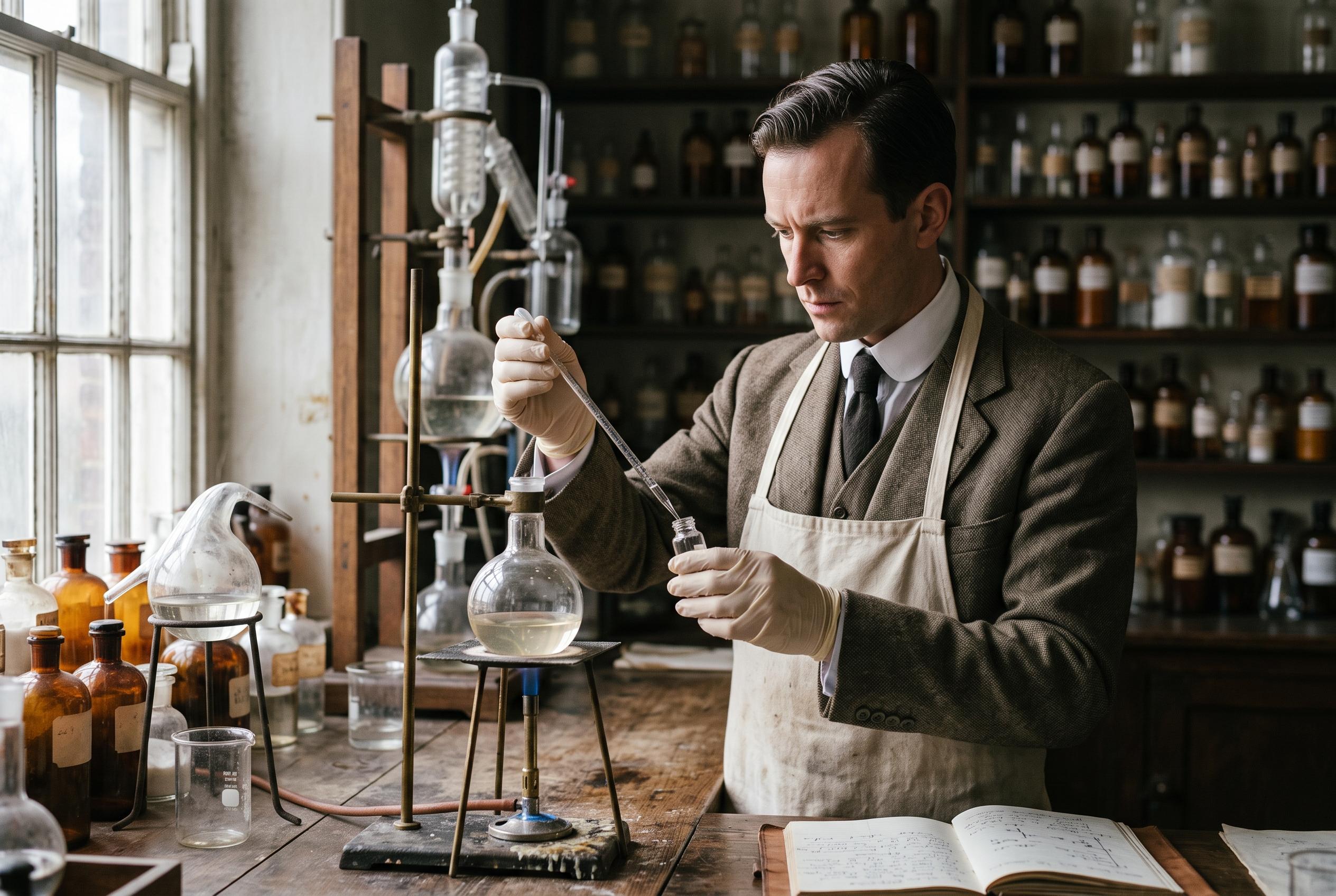

A breakthrough in Toronto in 1922 transformed type 1 diabetes from an often fatal diagnosis into a condition that could be managed, after James Collip helped purify the treatment for human use.
By 1922, a breakthrough in Toronto had begun to change diabetes from a fatal diagnosis into a manageable condition. According to the U.S. Food and Drug Administration and the Nobel Prize, Frederick Banting, Charles Best and John Macleod set the research in motion in 1921, working to isolate the pancreas’s internal secretion after earlier work had pointed to its role in blood sugar control.
The early experiments were carried out in laboratory dogs, and the first results showed that the extract could lower blood sugar, although it still had to be refined before it could be used in people. James Collip later joined the team and helped purify the preparation, an essential step that made human treatment possible, according to the FDA and the Nobel Prize’s account of the discovery.
The first patient was Leonard Thompson, a 14-year-old boy who was severely weakened by diabetes. He received his first injection on 11 January 1922, but the initial preparation did not work well enough. After further purification, a second injection on 23 January brought a clear improvement, with blood sugar and urinary glucose and ketones falling, according to the Iranian report and the historical summaries from the FDA and Nature.
The discovery quickly earned international recognition. In 1923, the Nobel Prize in Physiology or Medicine was awarded to Banting and Macleod, while historical accounts note that Banting shared his prize money with Best and Macleod shared his with Collip. The Science History Institute and the Nobel Prize both describe the work as a collaborative effort rather than the achievement of one scientist alone.
Insulin did not cure type 1 diabetes, but it transformed the disease from one that often led to early death into a condition that could be controlled. Early products were extracted from the pancreases of cattle and pigs, and later scientific advances made human insulin possible. Even so, the FDA notes that access to this life-saving medicine remains uneven in parts of the world.
Disclaimer: This content is for informational purposes only and is not intended to be a substitute for professional medical judgment, advice, diagnosis, or treatment.



