

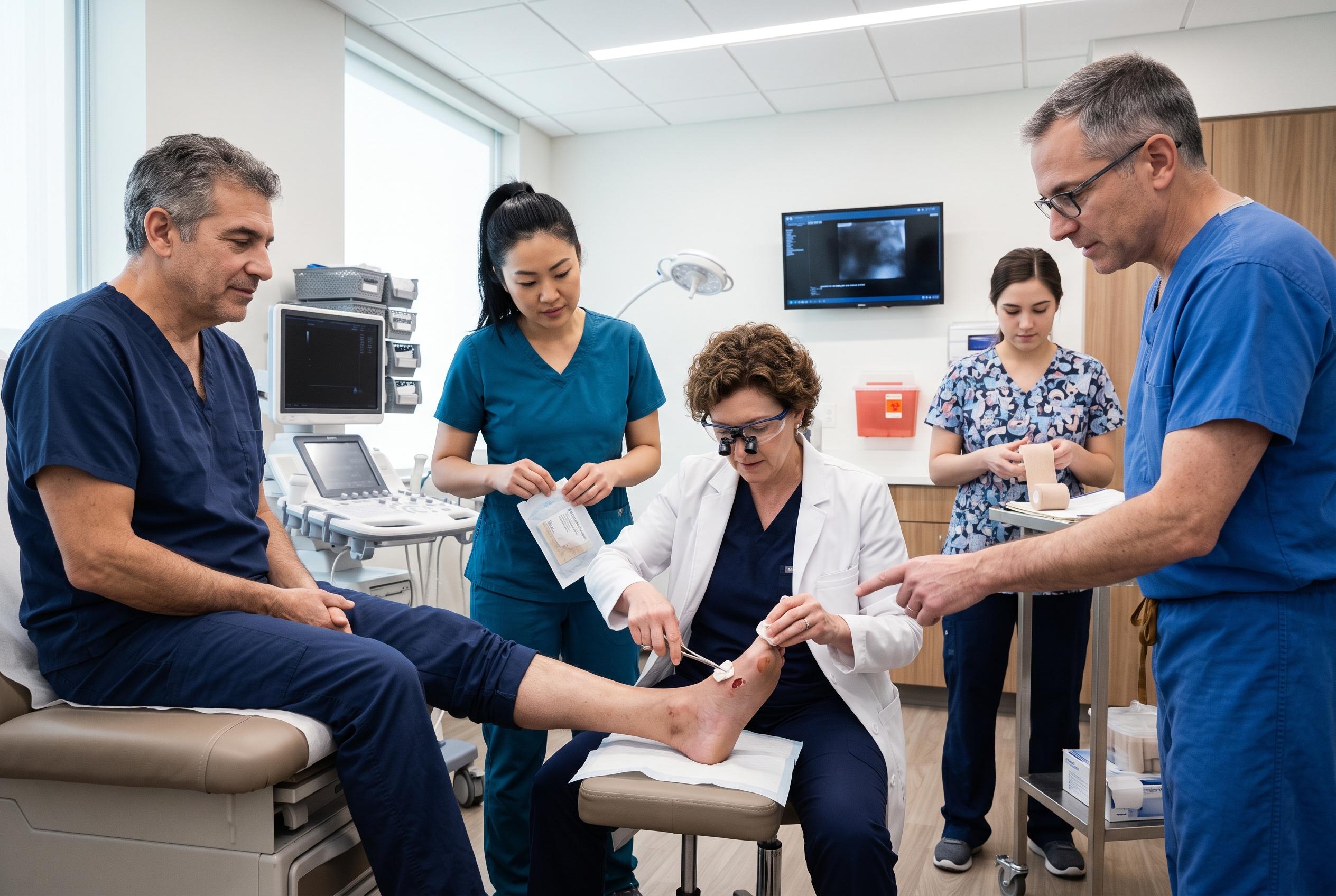

David G. Armstrong has been ranked the world’s leading researcher in diabetic foot ulcer studies for lifetime output and recent work, highlighting a collaborative programme focused on healing wounds and preventing amputation.
ScholarGPS has ranked David G. Armstrong first in the world for diabetic foot ulcer research in both lifetime output and the past five years, underscoring how far a field built on collaboration has travelled. The 2026 rankings also place Armstrong second in diabetic foot research, fourth in amputation, 14th in diabetes and 58th in surgery, according to the profile shown on 19 October 2026. Within the University of Southern California, he is also listed first in surgery and diabetes.
The figures are a reminder that the work extends well beyond any single name. Armstrong used the latest rankings to salute colleagues, trainees, nurses, research teams, patients and families whose contributions, he said, make the research possible across institutions, disciplines and generations. That emphasis on shared effort is consistent with the broader message of the piece: limb preservation depends on coordinated care, not isolated expertise.
The latest recognition also sits within a substantial body of clinical research led by Armstrong and collaborators. Recent studies in the International Wound Journal include a multi-centre randomised trial assessing a resorbable glass fibre matrix for diabetic foot ulcers, as well as work on a purified reconstituted bilayer matrix in both pilot and controlled settings. Other trials have examined a keratin-based graft for Wagner grade one non-healing ulcers and a wearable device designed to provide intermittent plantar compression and offloading.
Taken together, those studies help explain why the rankings matter beyond academic prestige. The practical aim is to speed healing, keep wounds closed, preserve mobility and reduce the time patients spend in hospital or sidelined by recurrent ulcers. The article also notes a series of earlier citation milestones, from 75,000 in June 2024 to 100,000 in September 2026, while stressing that such counts are historical snapshots rather than current totals. For Armstrong, the message is clear: the milestones belong to the team as much as to the individual.
Disclaimer: This content is for informational purposes only and is not intended to be a substitute for professional medical judgment, advice, diagnosis, or treatment.



