

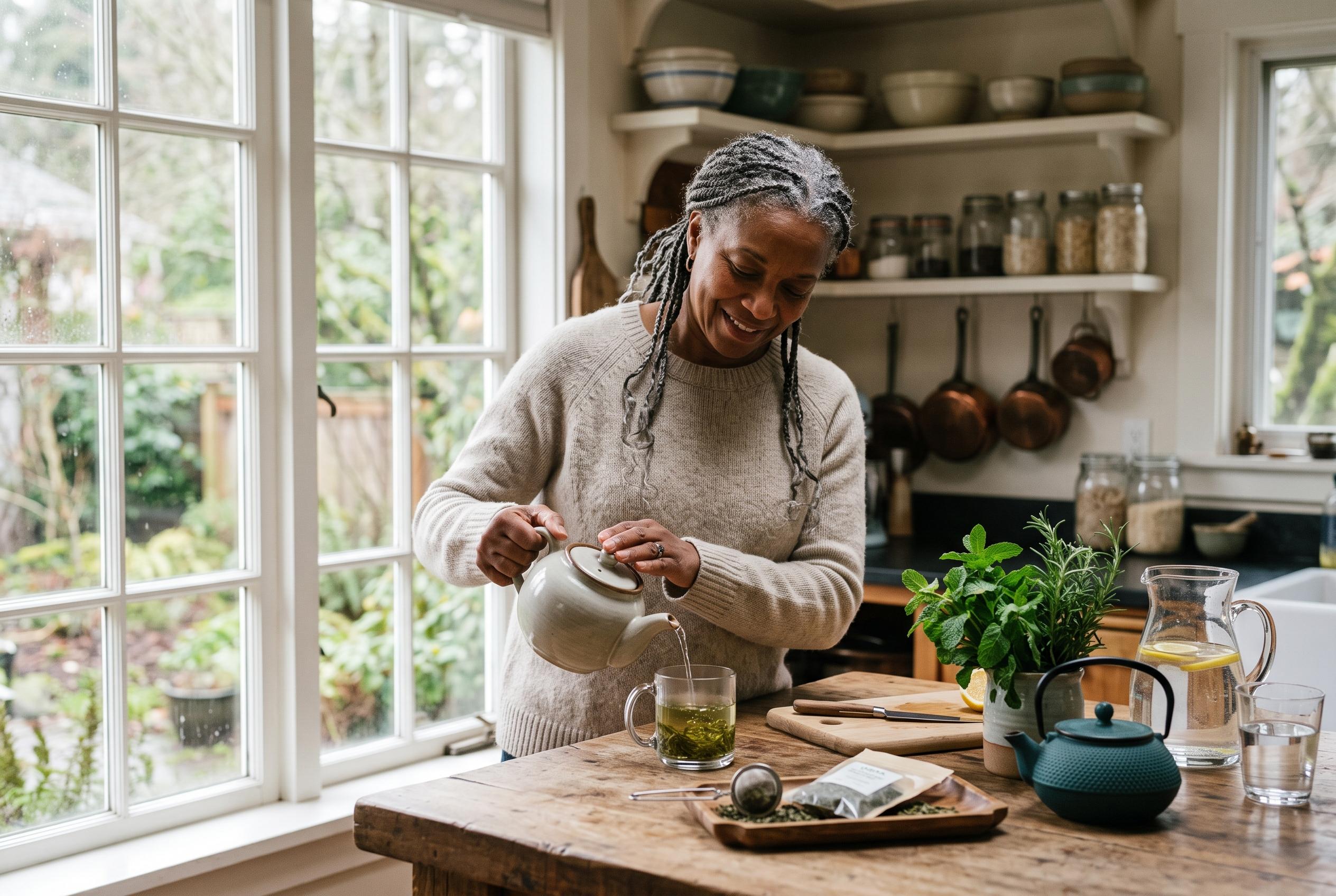

Research suggests unsweetened green and black tea may support insulin sensitivity and glucose control, while herbal varieties could offer more indirect benefits.
Unsweetened tea may do more than provide a caffeine lift: according to Verywell Health, some varieties contain antioxidants that could help with blood sugar control. In a piece by health writer Carrie Madormo, the publication says the strongest evidence is for certain teas that may improve insulin sensitivity, blunt post-meal spikes and support overall metabolic health, although the effects are not the same for every drink.
Green tea appears to be one of the best studied. Verywell Health says it is rich in catechins, a group of plant compounds that may help the body respond better to insulin. Research indexed in PubMed reports that epigallocatechin-3-gallate, or EGCG, the best known green tea polyphenol, has shown promise in lowering blood glucose and improving insulin sensitivity. Other studies, including work published in Diabetes & Metabolism Journal and observational research in Springer’s journal archive, suggest that regular green tea intake may be associated with better glucose regulation and a lower risk of type 2 diabetes.
Black tea is also on the list. Verywell Health says it contains catechins too, and that regular consumption may help moderate blood sugar after meals. Reviews published in Antioxidants have linked both black and green tea consumption with a reduced diabetes risk, while also suggesting possible protection against some diabetes-related complications. Hibiscus tea, made from the dried petals of Hibiscus sabdariffa, is another caffeine-free option that may support heart health, lower blood pressure and improve insulin sensitivity, according to the article.
The other drinks highlighted are cinnamon, turmeric, lemon balm, chamomile and ginger tea. Verywell Health says cinnamon may help smooth blood sugar swings, while turmeric contains curcumin, a compound with anti-inflammatory and antioxidant effects that has been studied for its potential to improve glucose and lipid levels. Lemon balm and ginger are both described as possible aids for blood sugar control, though the article notes that stronger evidence often comes from supplement studies rather than tea itself. Chamomile stands out for a different reason: better sleep. Because poor sleep can worsen insulin resistance, the tea’s calming effects may indirectly support glucose control. The overall message is that these drinks may help as part of a broader routine, but they are not substitutes for medical treatment or dietary care.
Disclaimer: This content is for informational purposes only and is not intended to be a substitute for professional medical judgment, advice, diagnosis, or treatment.



