

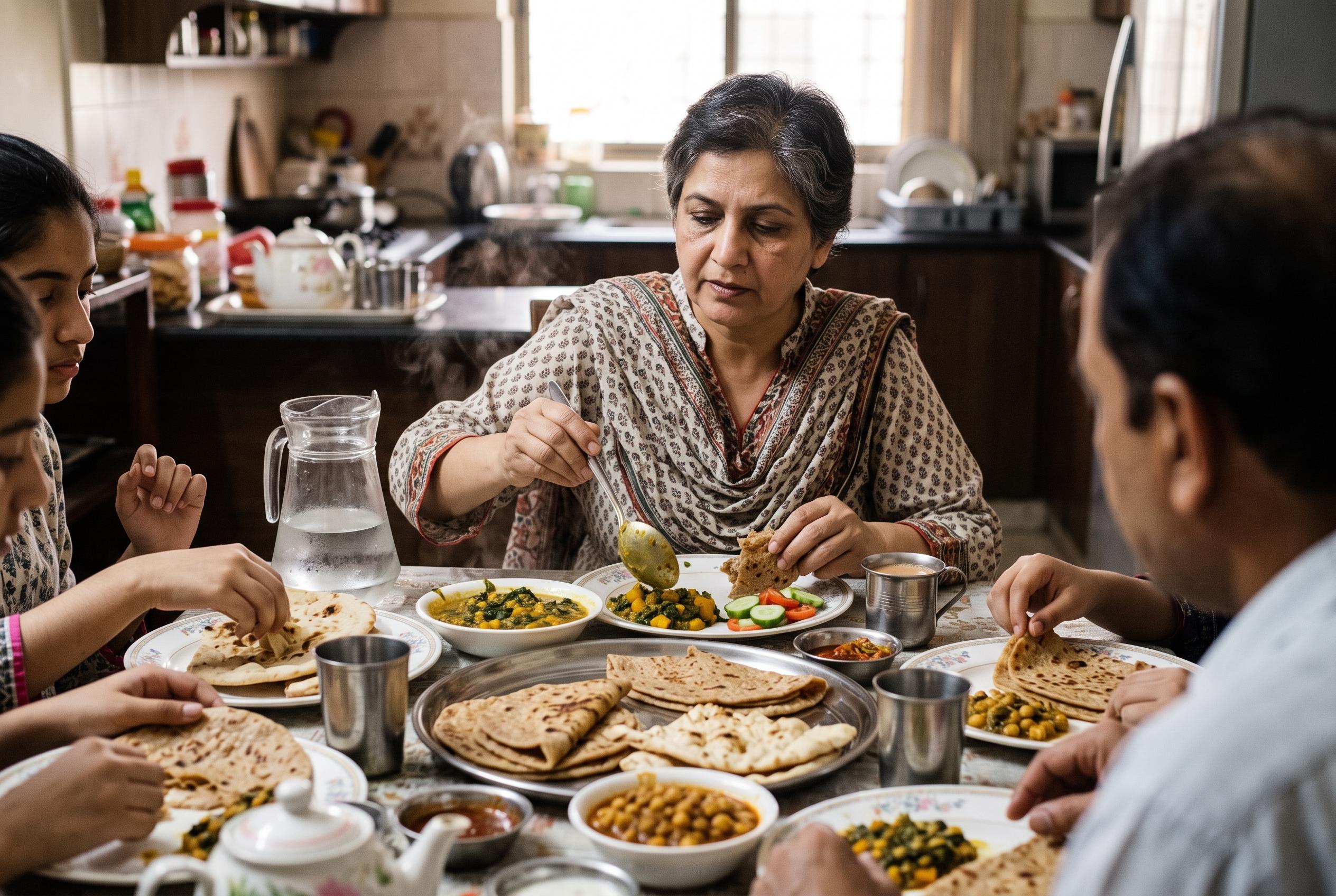

From paratha and naan to sweet tea, familiar breakfast choices can trigger sharp glucose rises. Smaller portions, more fibre and better food pairings may help people manage diabetes without abandoning traditional meals.
Pakistan’s breakfasts can be a minefield for people trying to keep blood sugar under control, especially when the day begins with paratha, puri, naan, bakery bread or sweet tea. The Nation’s article on the country’s “silent epidemic” argues that the problem is not only what is eaten, but how quickly these foods can push glucose upwards after an overnight fast. That concern is echoed in diabetes-focused guides from Pakistani nutrition sites, which say refined flour, large portions and poor food pairing can all make a meal harder on blood sugar.
The common thread across those guides is that not all roti and bread are equal. Whole-wheat roti made from atta is generally a better everyday option than maida-based naan, kulcha or white bread, because it contains more fibre and tends to raise glucose more gradually. The same advice appears in several explainers on roti and diabetes published by Meenorio.pk, Holistic Nutrition Clinic and Diatic.app, which all stress that portion size matters just as much as flour choice. Naan and kulcha can amount to the starch load of two or three rotis, while rusk and sliced bread should be counted carefully rather than treated as extras.
Paratha is a particular issue because it often combines refined flour with oil or ghee, and in some versions potato filling adds yet more carbohydrate. Diatic.app’s guide on paratha and diabetes warns that these richer breakfast items can trigger sharper glucose spikes than a plain roti, especially when they are eaten with jam, butter or sugar in tea. The same caution applies to halwa puri, jalebi, mithai and similar foods: they are best kept for occasional treats rather than routine meals, particularly when diabetes is still poorly controlled.
Several sources also point out that what is drunk at breakfast can matter as much as what is on the plate. Unsweetened chai is usually a safer choice than sweetened doodh patti, sugar-laden lassi, fruit juice, sugarcane juice or soft drinks. Gur and honey are often treated as natural alternatives, but they still raise blood glucose. For a steadier start to the day, the sources suggest beginning with eggs, omelette or anday ki bhurji cooked with little oil, then adding plain yoghurt and, if needed, a small roti or half a paratha rather than stacking multiple starches in one meal.
The same principles carry over into lunches, family gatherings and restaurant meals. The Nation piece recommends starting with salad, vegetables and plain dahi, then moving on to a modest serving of protein such as chicken tikka, seekh kabab or grilled fish. It also advises treating biryani, pulao, potato dishes and pakoras as starches rather than side dishes, and choosing water or unsweetened drinks instead of sweetened beverages. For people using mealtime insulin, timing matters: they should follow their own prescribed plan rather than delay eating while waiting for a particular dish.
A broader practical rule, repeated across the diabetes guides, is to fill half the plate with non-starchy vegetables, a quarter with protein and the remaining quarter with carbohydrate foods. That approach leaves room for familiar Pakistani meals without letting bread, rice and fried snacks dominate the plate. The Nation’s article also says a brief walk after eating can help reduce post-meal glucose rises, while cautioning that people on insulin or sulfonylureas should not cut carbohydrates sharply without medical advice because of the risk of hypoglycaemia.
The article’s wider message is that diabetes management does not require abandoning traditional foods, only rebalancing them. Families can still serve roti, rice and seasonal dishes, but smaller portions, more vegetables and less sugar can make those meals easier to live with every day. The guidance is also clear that targets should be individualised: an HbA1c below 7 per cent is not the right goal for everyone, and treatment changes should always be discussed with a doctor, especially before fasting in Ramazan or making major changes to meal timing.
Disclaimer: This content is for informational purposes only and is not intended to be a substitute for professional medical judgment, advice, diagnosis, or treatment.



