

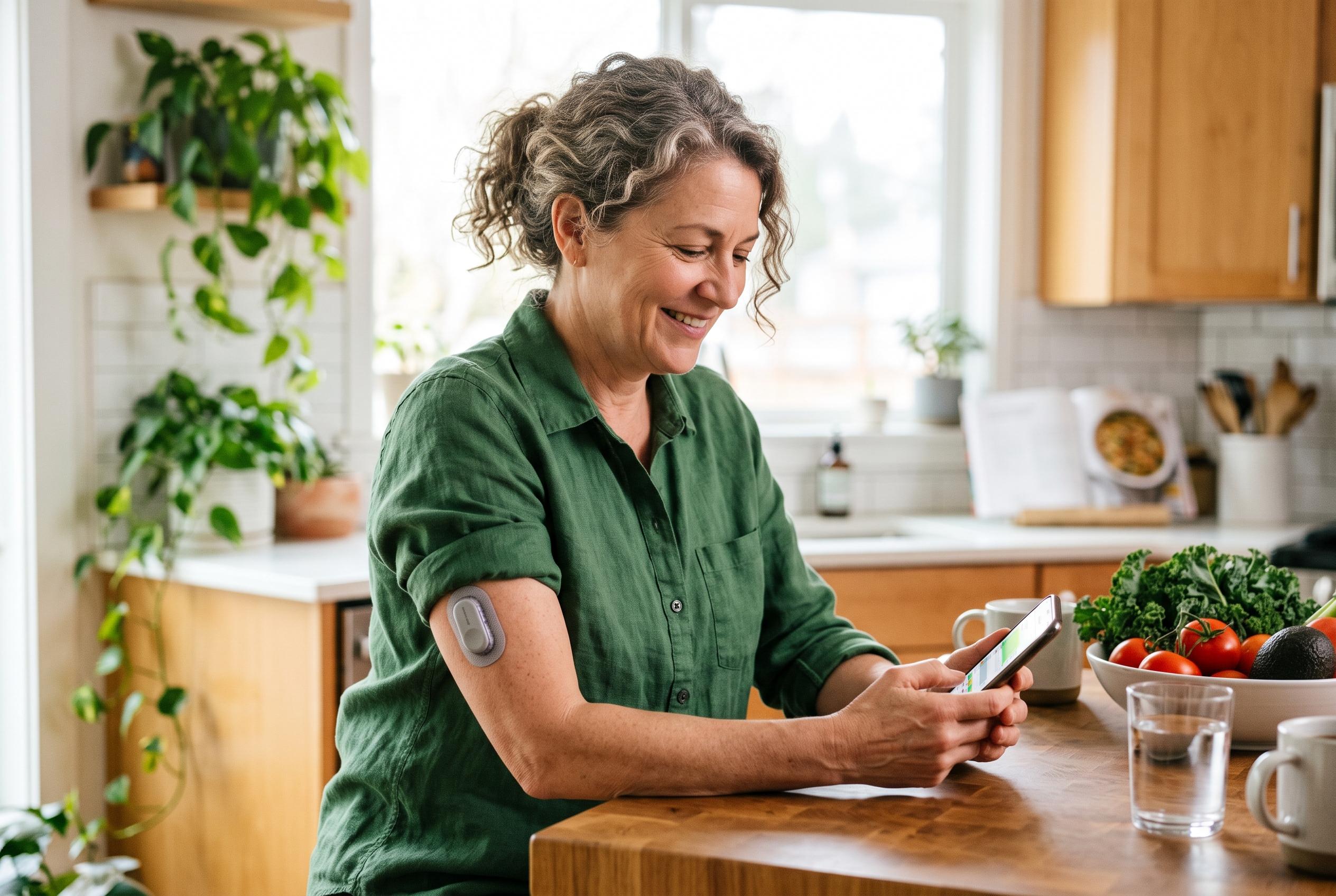

A large primary care trial found continuous glucose monitors significantly improved blood sugar control in adults with type 2 diabetes who do not use insulin, potentially influencing future treatment guidelines and coverage.
Continuous glucose monitors could reshape day-to-day diabetes care for millions of adults with type 2 diabetes who do not use insulin, according to a new clinical trial published in the New England Journal of Medicine. In the study, patients using the wearable sensors spent about five more hours a day in their target blood sugar range than those receiving routine care, while nearly twice as many reached an A1c below 7%, a widely used treatment goal.
The results matter because the group studied is large and often underserved. Tamara Oser, the University of Colorado Anschutz family medicine professor who led the trial, said an estimated 20 million adults in the United States have type 2 diabetes and do not take insulin, yet many still fail to meet glucose targets. She added that sustained high blood sugar raises the risk of heart disease, kidney disease and vision loss. Continuous glucose monitors, or CGMs, track glucose throughout the day and night through a small sensor worn on the body, giving patients immediate feedback on how food, exercise and other habits affect their levels.
The trial enrolled 283 adults across 22 primary care practices in the United States and followed them for 26 weeks. Researchers described it as the first large, multicentre randomised controlled trial to test both the effectiveness and safety of CGM in adults with type 2 diabetes who are not taking insulin. That primary care setting gives the findings added relevance, because most people with type 2 diabetes are treated outside specialist clinics.
The new evidence adds to a growing body of research suggesting CGM can improve glycaemic control in type 2 diabetes. A randomised study published in The Lancet Diabetes & Endocrinology in June 2026 also found better blood sugar management with CGM than with self-monitoring using finger-stick tests. Earlier work, including a 2021 JAMA trial in patients with type 2 diabetes treated with basal insulin, found CGM lowered HbA1c more than conventional monitoring, while a 2024 review in the Journal of Clinical Endocrinology & Metabolism reported similar benefits across randomised trials. The American Diabetes Association currently gives its strongest evidence rating to CGM use in people on insulin, but support for those not using insulin remains weaker, making the new study potentially important for future guideline and coverage decisions.
Disclaimer: This content is for informational purposes only and is not intended to be a substitute for professional medical judgment, advice, diagnosis, or treatment.



