

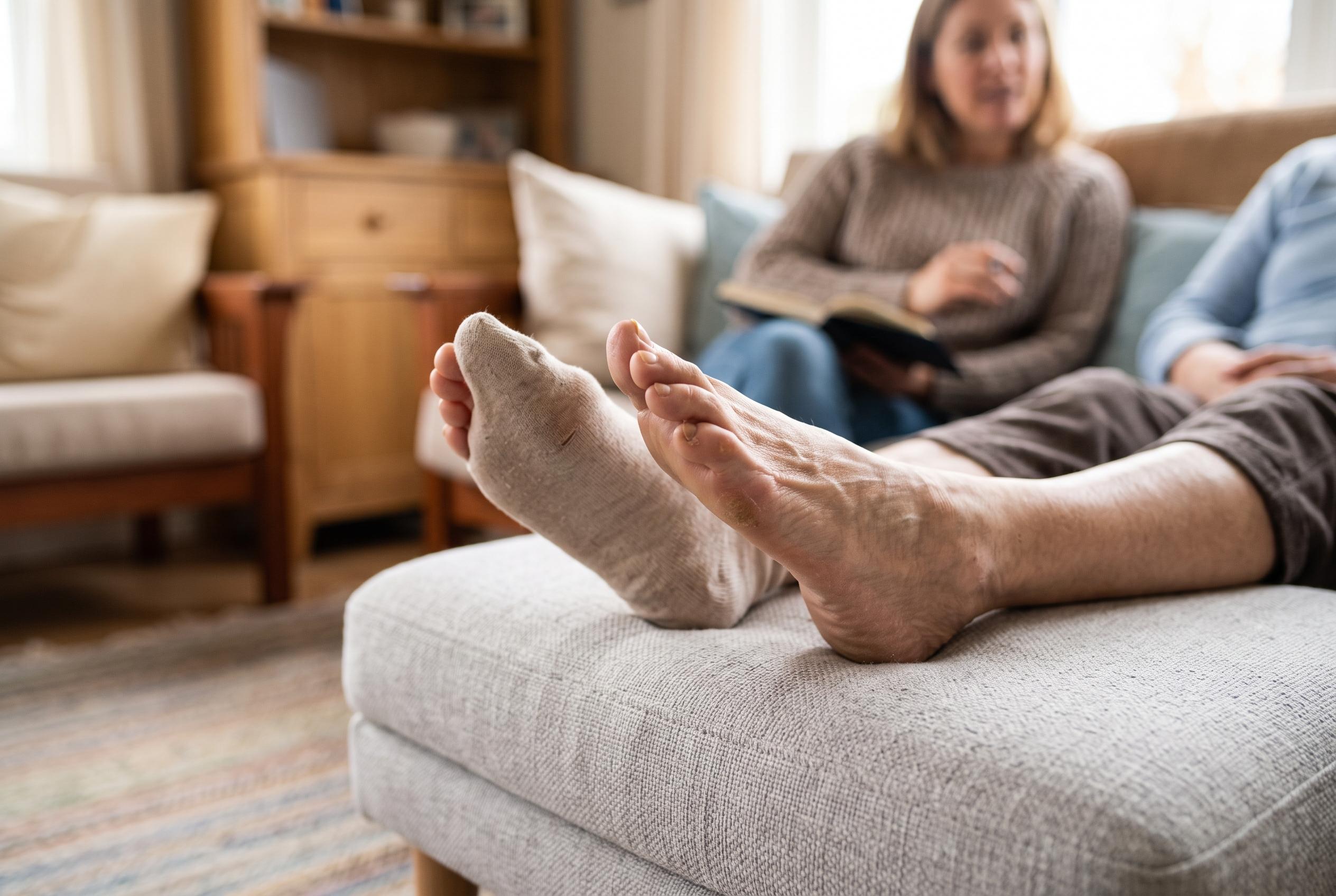

Bunions, hammertoes and claw toes can be caused by pressure from shoes, but clinicians warn that persistent changes may also reflect arthritis, nerve damage or diabetes-related complications.
A change in the shape of the toes is often written off as a minor nuisance or an ageing concern, but clinicians say it can also point to wider problems in the feet and elsewhere in the body. Conditions such as bunions, hammertoes and claw toes may develop gradually, often after years of pressure from shoes that are too narrow, too tight or too shallow, and they can become painful enough to affect everyday walking. Loyola Medicine notes that these deformities may also be linked to arthritis and diabetes, while WebMD says they often show up alongside corns, calluses and discomfort.
Footwear is only part of the story. According to foot and ankle specialists, toe deformities can also stem from muscle imbalance, inherited foot mechanics, inflammatory disease and nerve damage. FootCareMD says claw toe is particularly associated with nerve injury, including that caused by diabetes, while Michigan Foot Doctors and other clinical guides note that wider shoes, pads, orthotics and other conservative measures can help slow progression and reduce pressure on the joints.
The larger concern is not appearance but what persistent toe changes can mean for skin and soft tissue health. Cleveland Clinic says foot and toe ulcers are open wounds that can become infected and may eventually require amputation if they are not treated, especially in people with diabetes and neuropathy, where reduced sensation allows injuries to go unnoticed. That is why experts often urge prompt assessment when toes begin to curl, swell or develop pressure points that do not settle with rest or better-fitting shoes.
Not every swollen or painful toe is the same. A sudden change, particularly one accompanied by redness, heat or marked tenderness, should be checked by a clinician because it may reflect infection, inflammation or another underlying condition rather than simple shoe friction. Clinical references from Loyola Medicine and WebMD say toe problems can be caused by arthritis, diabetes and other disorders, and that early treatment is generally more effective than waiting until the deformity becomes fixed.
Jonathan Brocklehurst, a UK podiatrist, said he has seen patients whose pain eased once pressure was reduced and footwear was changed. In one case he described, a silicone toe prop helped separate overlapping toes and reduce rubbing, but the biggest improvement came when the patient moved to a wider golf shoe. That reflects the broader advice from foot specialists: treatment can start with simple measures such as roomier shoes, protective sleeves and toe props, before moving to surgery if pain is severe or daily function is affected.
Disclaimer: This content is for informational purposes only and is not intended to be a substitute for professional medical judgment, advice, diagnosis, or treatment.



