

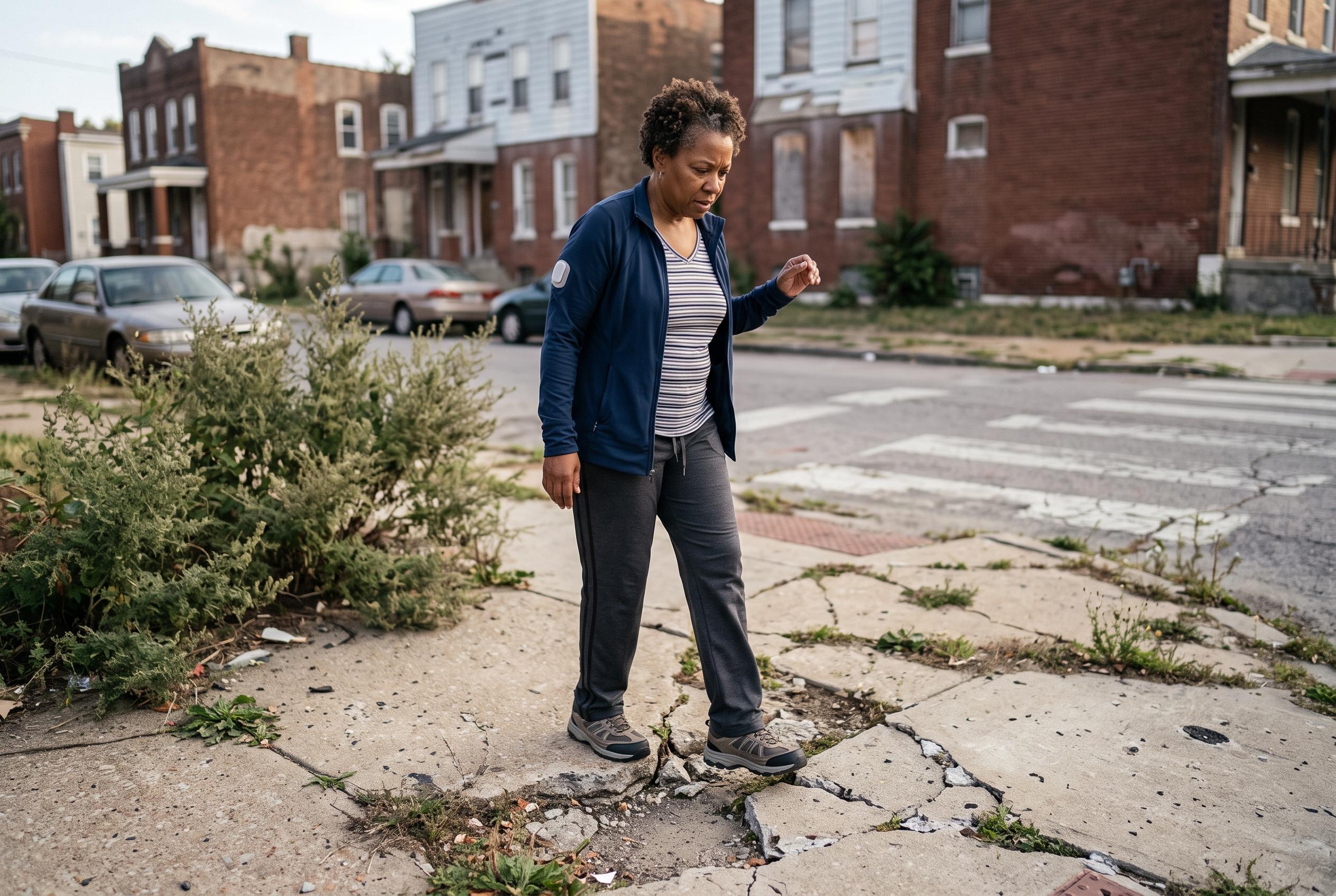

Analysis of All of Us data found that Black adults with type 2 diabetes living in the least supportive neighbourhoods had a 43% higher prevalence of elevated LDL cholesterol than those in the most favourable areas.
A new analysis from researchers working with the All of Us Research Programme suggests that neighbourhood design may shape how type 2 diabetes affects the body, but not equally for everyone. The study, published in BMC Public Health, found that walkability and other built-environment features were not linked to better diabetes-related outcomes across the full study group. Yet among Black participants, those living in the least supportive neighbourhoods were more likely to have high LDL cholesterol, the so-called “bad” cholesterol that raises cardiovascular risk.
The work, led by Emmanuella A. Asiedu of the University of Miami Miller School of Medicine and UMass Chan Medical School, used electronic health records from adults with confirmed type 2 diabetes who self-identified as non-Hispanic Black or non-Hispanic White. The researchers drew on version 7 of the All of Us Registered Tier Dataset, covering 2017 to 2023, and used the Physical Activity Neighbourhood Environment Scale, or PANES, to sort neighbourhoods by access to sidewalks, parks, shops, public transport and other features that support active living.
The study looked at several markers of diabetes control, including haemoglobin A1c, which shows average blood sugar over roughly three months, kidney function and LDL cholesterol. It found that 89% of participants had at least one adverse diabetes-related outcome, underlining how difficult it can be to keep the disease under control even within a large healthcare dataset. Across the group as a whole, however, neighbourhood scores were not significantly tied to the main clinical measures after adjustment for sociodemographic factors.
The more striking result came from the race-based interaction analysis. Black participants living in the least favourable environments had a 43% higher prevalence of elevated LDL cholesterol than White participants living in the most favourable neighbourhoods, with the study reporting an adjusted prevalence ratio of 1.43 and a 95% confidence interval of 1.03 to 1.98. The interaction was statistically significant, suggesting that the built environment may be part of the reason diabetes complications are distributed unevenly across racial groups.
The finding fits a broader body of research linking neighbourhood conditions to diabetes risk and control. Earlier reviews and observational studies have suggested that walkable areas, access to green space, nearby food shops and other neighbourhood resources can influence both the likelihood of developing type 2 diabetes and the ability to manage it once it develops. A longitudinal study published in 2015 found that cumulative exposure to healthier food and physical-activity resources was associated with lower diabetes risk, while later research reported small improvements in HbA1c where neighbourhood food and density measures were more favourable.
The authors caution that their study cannot prove cause and effect because it is cross-sectional, and they note that PANES is only a broad measure of neighbourhood quality. Even so, the implication is clear: diabetes outcomes are shaped not only by medicine and individual behaviour, but also by streets, sidewalks, transit access and the daily realities of where people live. The researchers argue that investment in walkability, recreation spaces and safer public areas, especially in underserved communities, could become part of a wider strategy to narrow racial gaps in cardiometabolic health.
Disclaimer: This content is for informational purposes only and is not intended to be a substitute for professional medical judgment, advice, diagnosis, or treatment.



