

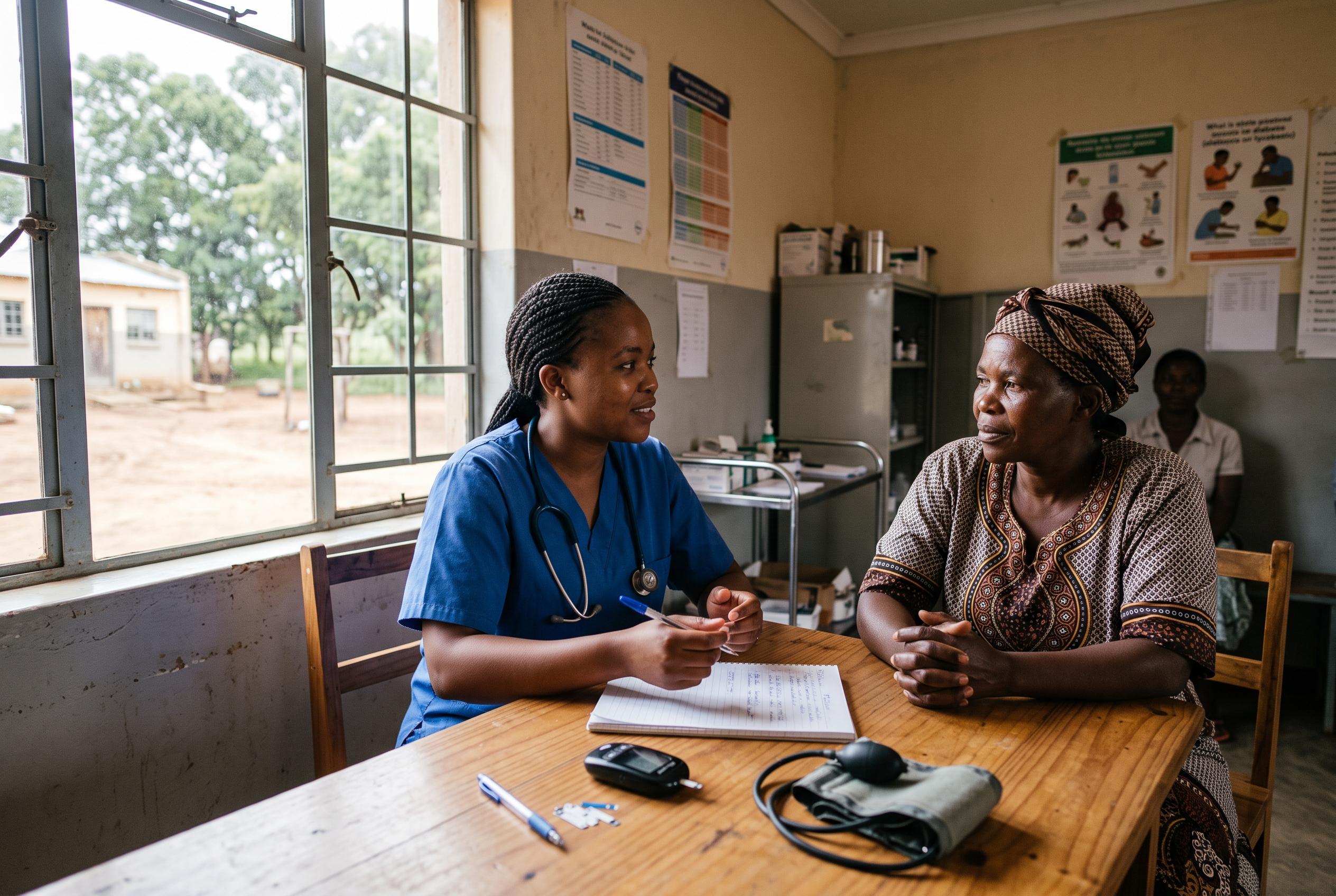

A joint programme in Hhohho and Manzini has expanded diabetes and hypertension services, while raising questions about the resources needed to take chronic disease care nationwide.
Hypertension services have risen sharply in parts of Eswatini, while diabetes care has expanded even faster, after a joint project between the health ministry and Taiwan’s technical mission began reshaping chronic disease services in the Hhohho and Manzini regions. The figures, shared by I-Hsiang Tsai of the Embassy of the Republic of China in Taiwan at a bilateral seminar on smart healthcare and chronic disease prevention, point to a broader push to strengthen early detection, treatment and follow-up for long-term illnesses that are placing increasing pressure on health systems.
According to the latest project results, hypertension services increased by 90% and diabetes care by 125% in the targeted areas. More than 70% of patients living with both conditions returned for follow-up within six months, while 86% of high-risk people were referred for further care within three months. The project has been presented as evidence that targeted support can improve access to diagnosis and continuity of treatment, although the figures relate to the partnership programme rather than to national coverage across Eswatini.
Eswatini Positive News reported that the collaboration is tied to the Project for Strengthening Metabolic Chronic Disease Prevention and Control Systems, launched in 2024 to improve prevention and control of metabolic illness. In a separate update, the World Health Organisation’s Africa office said Eswatini is also adopting the PEN-Plus model, a framework designed to decentralise care for severe non-communicable diseases and bring services closer to communities. That wider policy direction suggests the Taiwan-backed effort fits into a larger national strategy to move chronic disease care out of overstretched referral centres and into primary care settings.
The emphasis on chronic disease management comes as Eswatini continues to study the cost, staffing and equity implications of expanding such services. Research published in the International Journal for Equity in Health examined the effect of WHO-PEN interventions on access and out-of-pocket spending for people with diabetes and hypertension, while another study in Human Resources for Health assessed the workforce and financial resources needed to scale up those services nationally. Together, the studies underline a central challenge for health planners: promising pilots are only useful if the system can sustain them at scale.
The same wider health debate now includes mental health, which officials in Eswatini are treating as part of overall well-being rather than a separate concern. At Eswatini Medical Christian University, the health ministry’s non-communicable diseases department joined a mental health commemoration event, with Sindiso Bhembe representing the director of health services-clinical, Velephi Okello. The engagement focused on stigma reduction, early conversations and access to support for students and other young people, reinforcing the view that better chronic disease care and stronger mental health services are both essential to the country’s long-term health response.
Disclaimer: This content is for informational purposes only and is not intended to be a substitute for professional medical judgment, advice, diagnosis, or treatment.



