

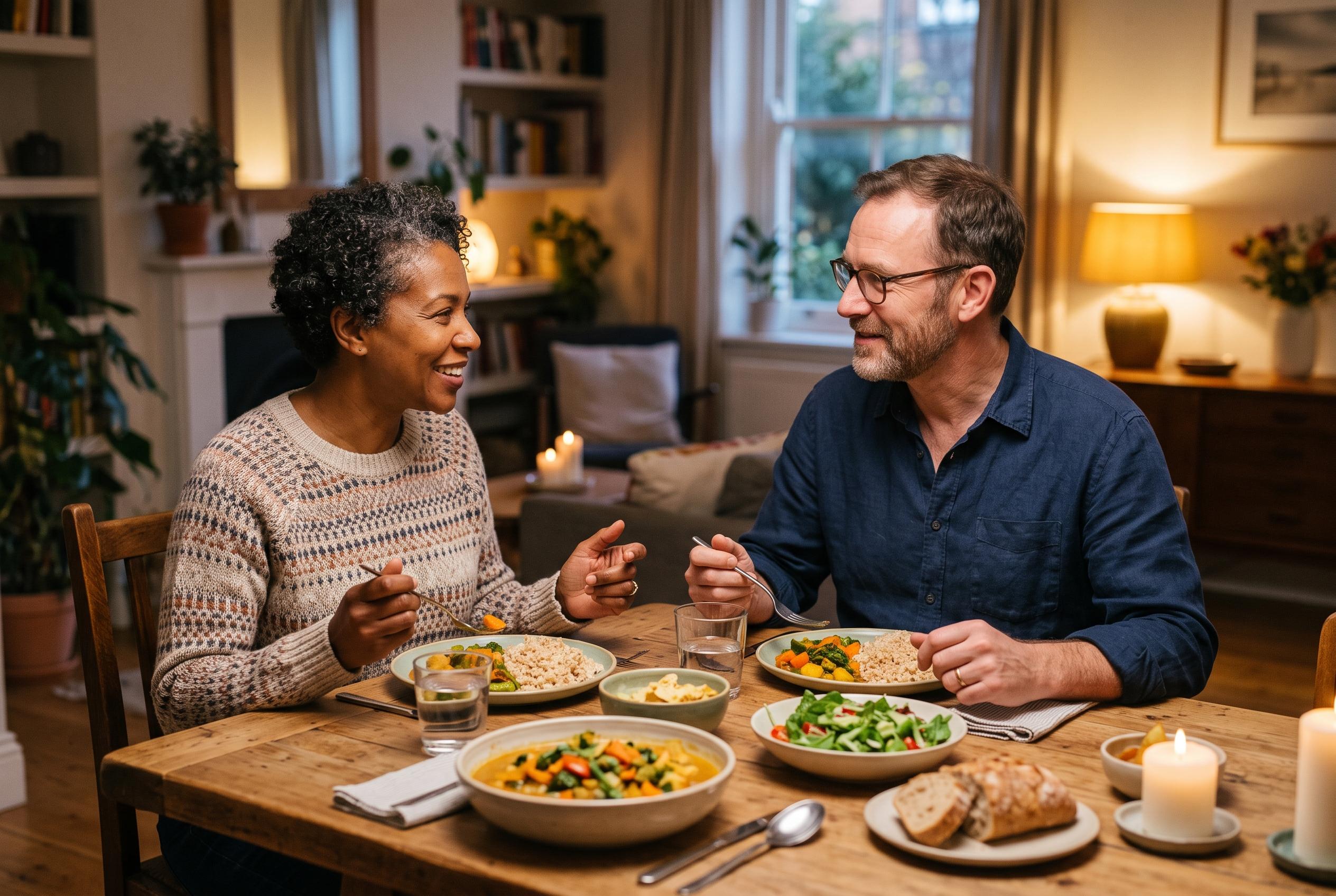

A study suggests sharing a meal with a trusted companion may slow the rise in blood glucose and speed recovery after eating, although it is not a substitute for medical care.
Metabolic health may depend on more than diet, exercise and medication. A study from the Hebrew University of Jerusalem suggests that who shares the table can also shape how the body handles sugar after a meal, with eating alongside a close companion linked to a smaller rise in blood glucose than eating alone.
According to reporting from Health Chosun and Science Advances, the experiment involved 108 people who ate a measured portion of white bread while researchers tracked blood sugar for two hours. When participants ate with a close companion, glucose levels climbed more slowly and returned to baseline more quickly than when they ate by themselves. The researchers described the findings as evidence for what they call “social physiology” – the idea that relationships can influence basic bodily regulation.
The study did not prove why the effect happened, but it points towards several possible explanations. Experts quoted in the coverage said lower stress, a steadier pace of eating and the feeling of safety that comes with a trusted companion may all help blunt the body’s blood sugar response. The researchers also reported similar patterns in other tests, including cold exposure and mild stress, where the presence of a romantic partner appeared to support faster physiological recovery.
The findings fit with a broader body of research linking social support to better health outcomes. Health Chosun noted a 2024 BMJ Open study of 665 people with diabetes that found those with insufficient social support had significantly higher average blood sugar levels. Other research has associated loneliness and social isolation with worse stress markers and metabolic health, reinforcing the idea that social ties can affect the body as well as mood. The authors stressed, however, that companionship is not a substitute for medical care, healthy eating or physical activity, but rather a factor that may sit alongside them.
Disclaimer: This content is for informational purposes only and is not intended to be a substitute for professional medical judgment, advice, diagnosis, or treatment.



