

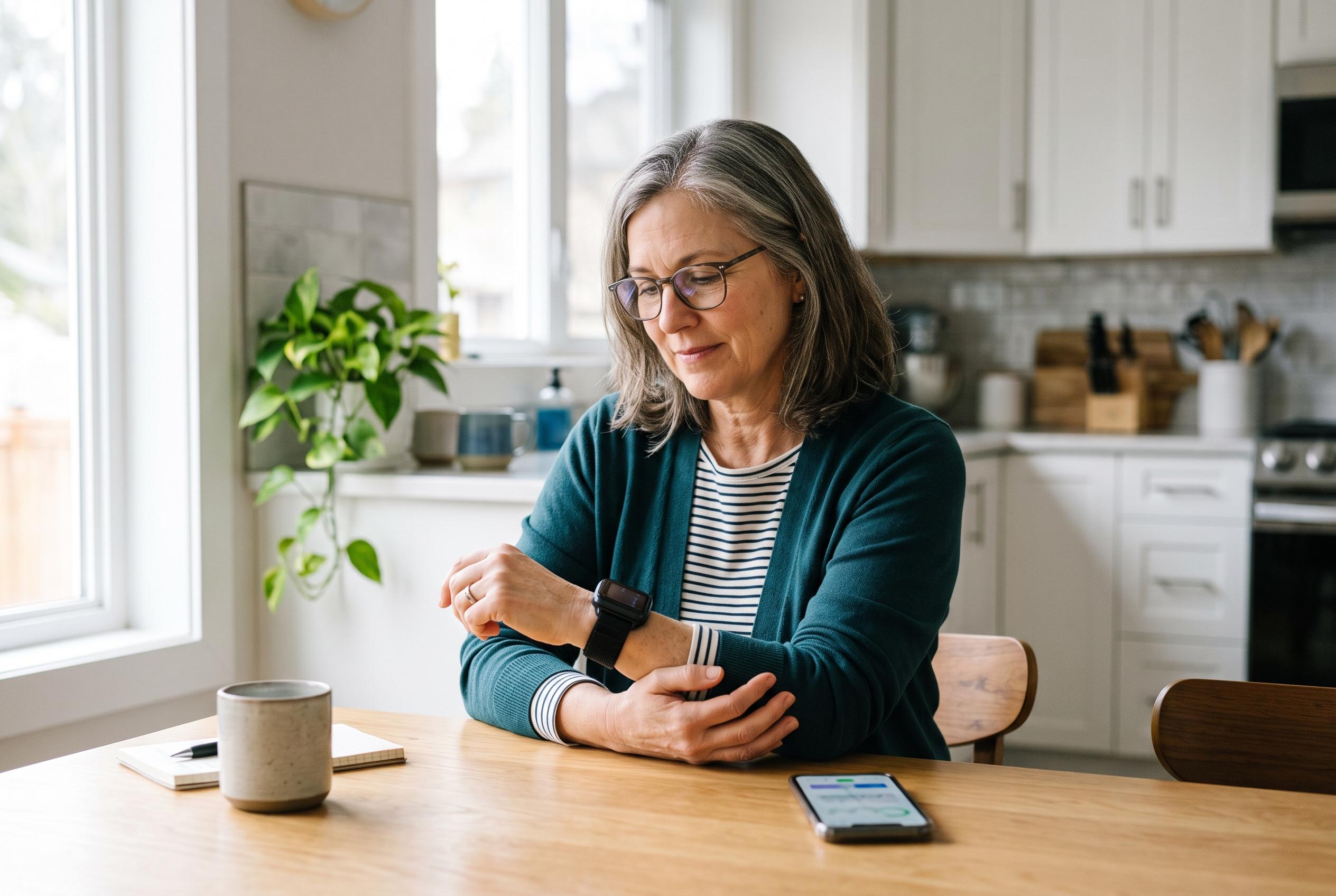

The new GlucoLens service interprets 14 days of sensor readings, linking glucose patterns with food, sleep and stress and suggesting small lifestyle changes.
SympaFit has launched a new web-based report service designed to turn two weeks of glucose data into plain-language insights about how the body behaves across the day. The company said the tool, called “GlucoLens”, was made available on 13 October and formally announced the following day.
Rather than leaving users to study charts alone, the service groups patterns into 12 body types such as “reward runaway” and “morning engine”, then suggests one or two small changes to try next. According to the company, the aim is to connect glucose swings with eating habits, sleep and stress, and to help people understand why they may feel sleepy, sluggish or unusually hungry at certain times of day.
The report is built around 14 days of blood sugar readings, which are overlaid to show a person’s usual pattern and compared week by week. That makes it possible to see whether changes in meals, routines or training have altered the curve. SympaFit says the service also highlights when glucose tends to spike or dip most sharply, and lets users look at overnight readings alongside sleep data. The company is pitching the product to people who already use continuous glucose monitors but do not know how to interpret the numbers, as well as to employers and health insurance funds interested in workplace wellbeing.
Pricing is split into three tiers: a free display-only option, a basic analysis plan for 550 yen and a full package with advice for 2,200 yen, all including tax. Users must supply their own glucose sensor. In a wider market where companies are increasingly offering continuous glucose monitoring programmes and personalised feedback, SympaFit is positioning GlucoLens as an interpretation layer rather than just another tracking app. US-based Nutrisense, for example, combines glucose monitoring with dietitian support and stress-management sessions, while Biuman and Glymee promote similar data-led approaches to food, exercise and lifestyle. Mito Health, by contrast, offers fructosamine testing, which gives a two- to three-week view of blood sugar without continuous monitoring.
The company says the service is based on research led by its chief executive, Hira Kajiisa, including work on sleep-related heart-rate variation and glucose, as well as studies of blood sugar during competition and high-intensity training in endurance athletes. Looking ahead, SympaFit says the service is due to be used at Ryukoku University from April 2027, while corporate and insurer contracts are also being pursued. Kajiisa said modern life, with its stress and competing demands, makes it harder for people to manage fatigue, and argued that understanding when glucose rises and falls is a first step towards steadier energy and better performance.
Disclaimer: This content is for informational purposes only and is not intended to be a substitute for professional medical judgment, advice, diagnosis, or treatment.



