

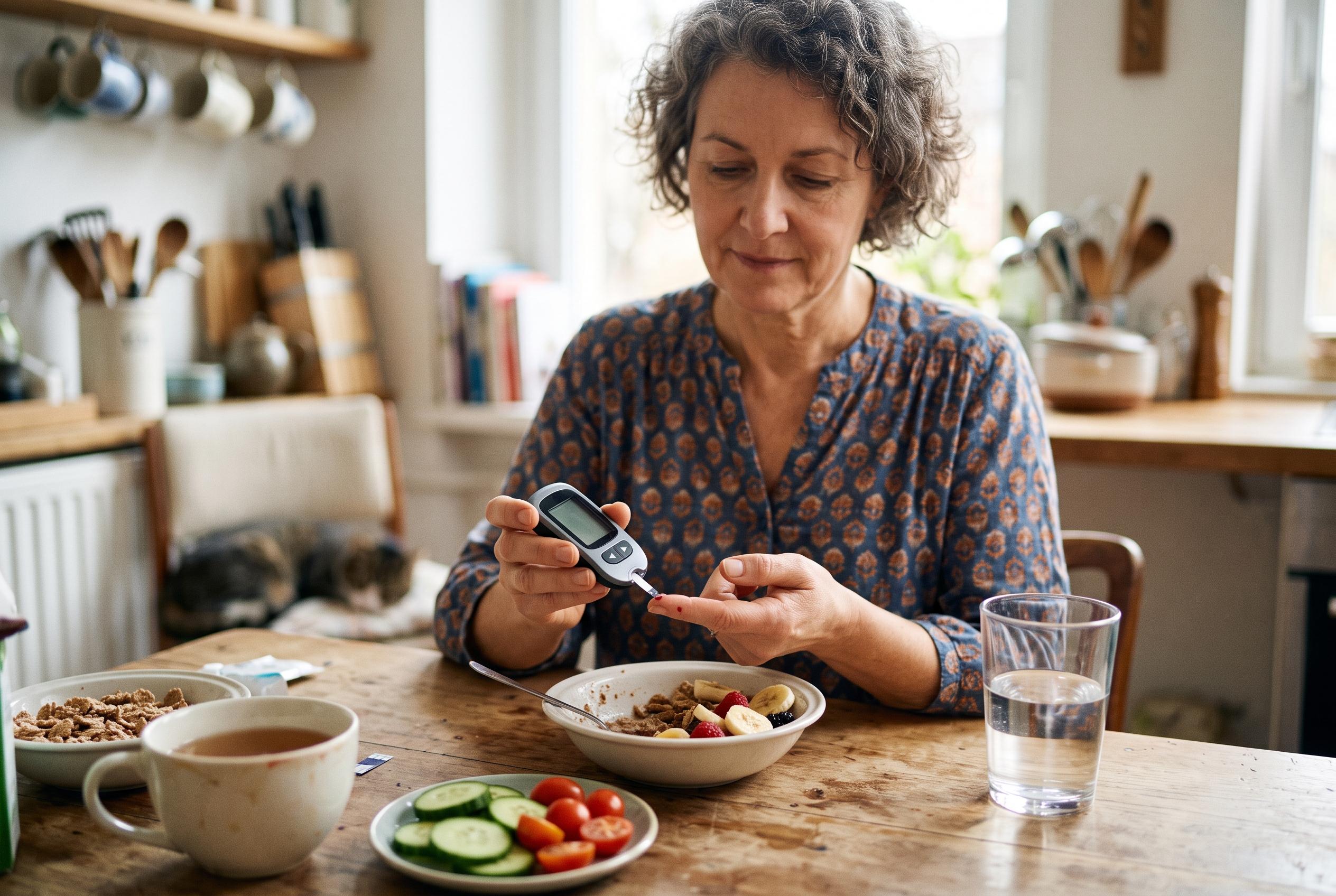

A high reading after eating is not automatically a warning sign, but the result depends on when it was taken, whether diabetes is being treated and whether elevated levels persist.
A rise in blood glucose after eating is not automatically a cause for alarm, but the level and the timing of the test matter. Health guidance commonly used by clinicians says the result should be interpreted in context: whether the person has diabetes, whether they are being treated for it, and how long it has been since the meal began. For adults already receiving diabetes treatment, the American Diabetes Association says blood sugar after eating should usually stay below 180 mg/dL. In people without diabetes, post-meal blood sugar is generally expected to remain below 140 mg/dL, according to Healthline and diabetes guidance reflected in other clinical sources.
The timing of the reading is especially important. The US Centers for Disease Control and Prevention says blood sugar is commonly checked before meals and two hours after meals, because testing too soon may miss the peak and testing too late may show a level that has already started to fall. The CDC also advises washing and drying the hands before using a finger-stick meter, as food residue can distort the result. Mayo Clinic gives similar targets, noting that readings before meals are often aimed between 80 and 130 mg/dL and should be under 180 mg/dL two hours after eating for many people with diabetes.
Doctors say repeated high readings after meals should not be ignored, particularly in people with risk factors such as excess weight, abdominal fat, low physical activity or a family history of diabetes. The concern is that prediabetes and type 2 diabetes can develop gradually and remain silent for years. The CDC says blood glucose testing, including fasting glucose and A1C checks, is important both for diagnosis and for monitoring. The A1C test shows average blood sugar over the previous two to three months, helping to identify patterns that a single reading may miss.
Lifestyle still matters. The CDC says blood sugar is influenced by eating patterns, regular monitoring and physical activity, while diabetes education resources note that the type and amount of carbohydrate in a meal can change how sharply glucose rises. After meals, even a short walk can help muscles use glucose from the bloodstream, which may reduce the post-meal spike. For many people, that makes simple habits such as choosing less refined starch, cutting back on sugary drinks and staying active useful first steps while seeking medical advice if readings stay high.
Disclaimer: This content is for informational purposes only and is not intended to be a substitute for professional medical judgment, advice, diagnosis, or treatment.



