

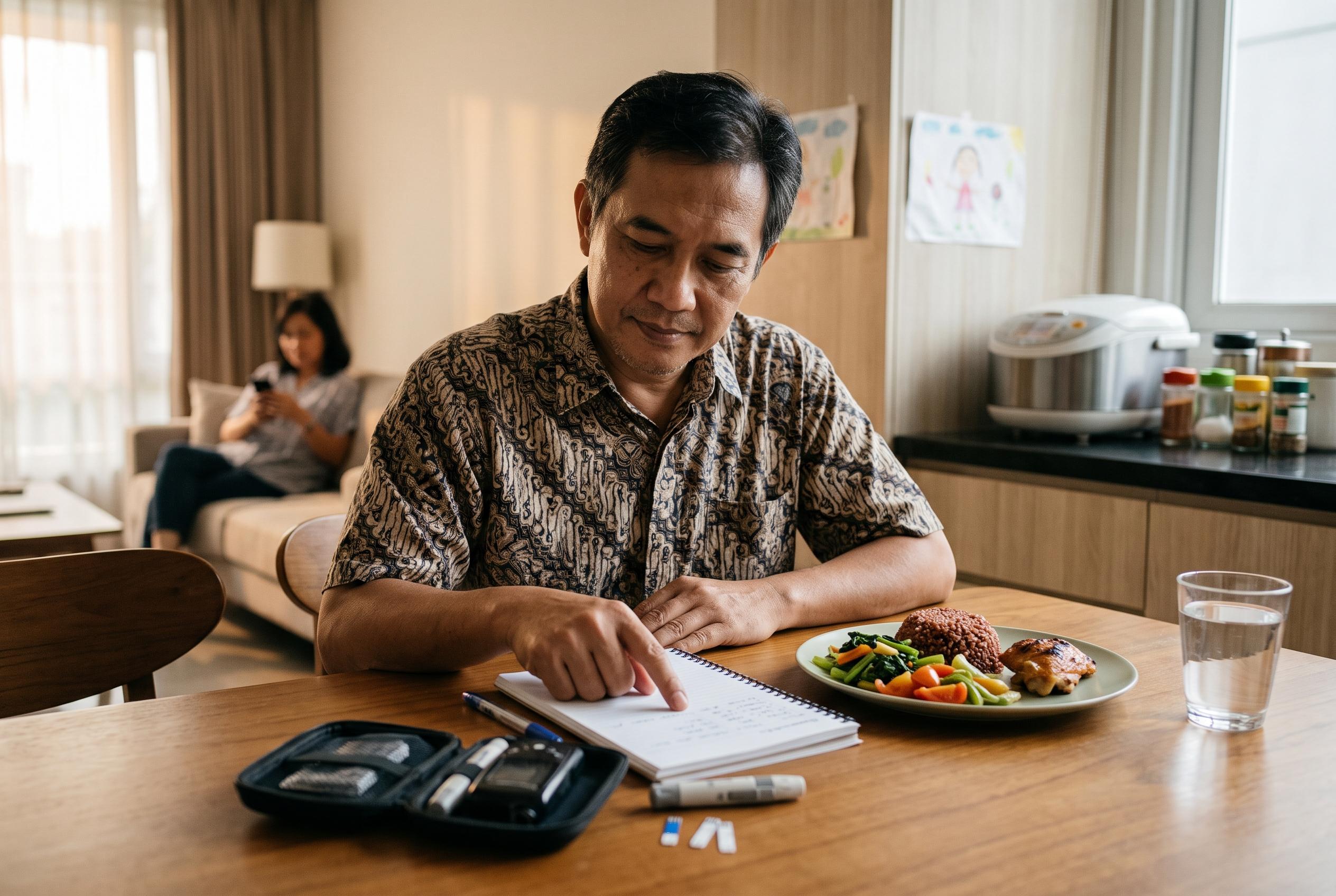

A study of 107 adults in South Sumatra found that confidence in managing type 2 diabetes was associated with less emotional strain, while perceived support from family and friends was not.
In a study of adults with type 2 diabetes in South Sumatra, Indonesia, researchers found that confidence in managing the condition was linked to lower diabetes distress, but broad perceptions of social support were not. The paper, published in Dove Press, examined whether perceived support from family, friends and significant others was connected to diabetes-related emotional strain directly or indirectly through diabetes management self-efficacy, which describes a person’s confidence in handling day-to-day diabetes tasks. The authors framed the question against a wider backdrop of evidence that diabetes distress is a distinct and clinically important burden, separate from general depression or anxiety, and one that can interfere with self-care and glycaemic outcomes.
The study was carried out as a cross-sectional analysis at an internal medicine outpatient clinic in Lahat Regency Regional General Hospital, with 107 adults completing the questionnaires between 15 January and 11 February 2026. Most participants were women, the average age was just over 54, and all had at least one comorbid condition, with hypertension the most common. Using validated Indonesian versions of the Multidimensional Scale of Perceived Social Support, the Diabetes Mellitus Self-Efficacy Scale and the Diabetes Distress Scale, the researchers reported that most participants had little or no diabetes distress, though more than a quarter had moderate to high levels.
The strongest association in the analysis was between self-efficacy and distress: higher confidence in managing diabetes was associated with lower emotional burden. By contrast, perceived social support did not show a significant relationship with either self-efficacy or distress, and the indirect pathway through self-efficacy was also not statistically supported. The authors said the results suggest that the quality of a patient’s own sense of control may matter more than a general feeling that support is available.
That conclusion fits with a broader research literature showing that diabetes distress is shaped by several overlapping factors, not only social ones. A scoping review of adults with type 2 diabetes and multimorbidity found that distress is influenced by clinical, psychological, behavioural and sociodemographic factors working together. Separate research from Norway found that about 11.9% of adults with type 2 diabetes had high distress, with younger age at diagnosis, insulin use and a history of foot ulcers among the factors linked to worse outcomes.
Other studies have also pointed to the importance of psychosocial resources, but with an important distinction between general support and diabetes-specific help. A systematic review of coping in adults with type 2 diabetes found that anxiety, depression, stress and diabetes distress are key influences on adaptation, and that greater social support is generally associated with less emotional distress. An earlier study in adults with type 2 diabetes likewise found that higher self-efficacy and greater healthcare-provider support were associated with lower diabetes-related distress. The Indonesian study suggests that, in practice, not every form of support translates into greater confidence in self-management or less distress.
The authors cautioned that their cross-sectional design cannot show cause and effect, and their findings may not apply broadly beyond a single outpatient clinic. Still, they argued that the results have practical value for diabetes care because they point to self-efficacy as a potentially useful target for counselling, education and goal-setting. The wider literature also distinguishes diabetes distress from general psychological strain and links it to worse diabetes outcomes, reinforcing the case for routine psychosocial assessment alongside standard medical care.
Disclaimer: This content is for informational purposes only and is not intended to be a substitute for professional medical judgment, advice, diagnosis, or treatment.



