

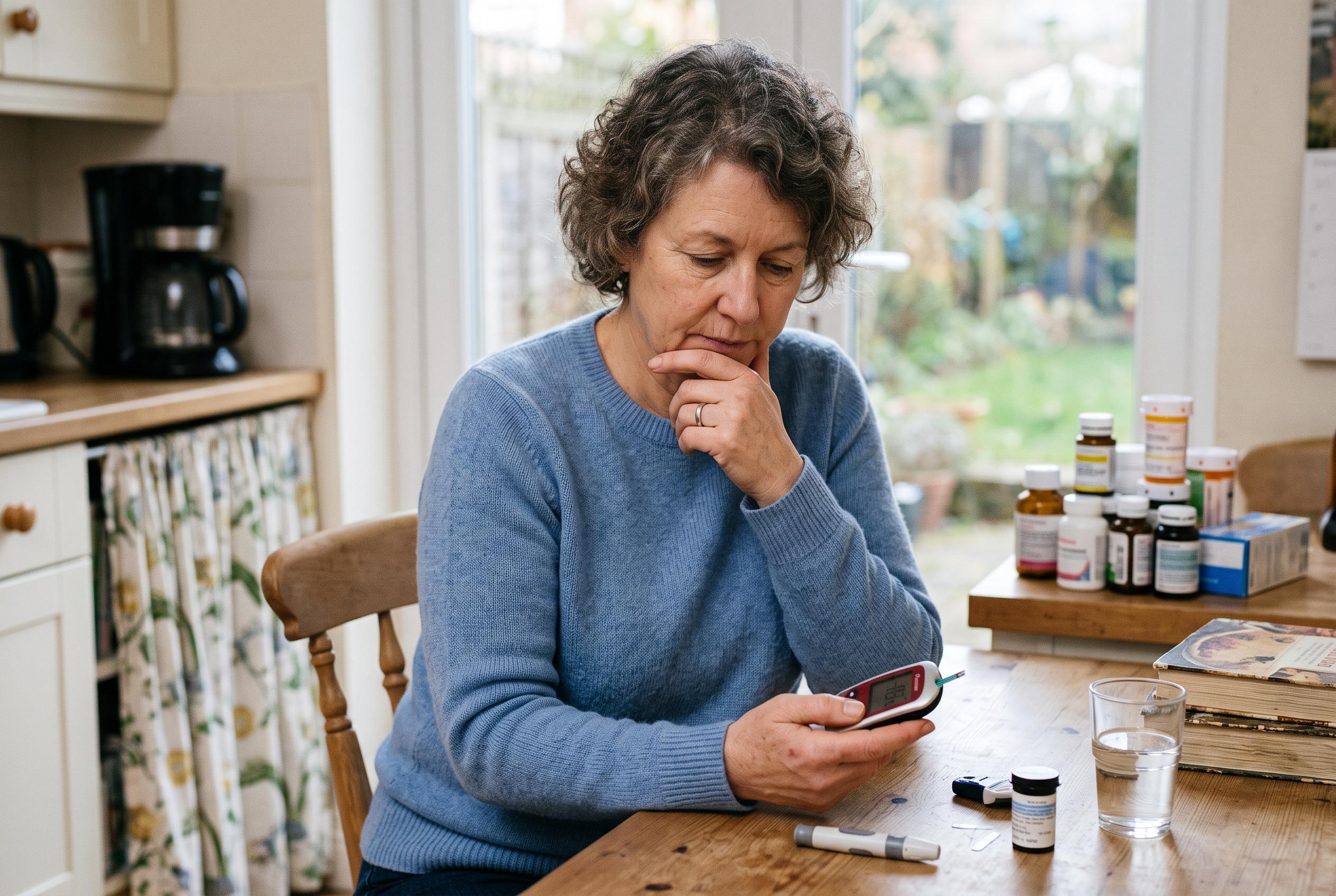

A reading of 278 mg/dL is significantly above normal. Find out when to retest, what may be driving the spike and which symptoms require immediate medical help.
A single blood sugar reading of 278 mg/dL should not be brushed aside, even though one result by itself does not tell the full story. As Dr Aarti Ullal, physician and diabetologist at Gleneagles Hospital Parel, told The Indian Express, a figure at that level is significantly above normal and points to hyperglycaemia. The practical advice, she said, is to repeat the test, then interpret it alongside symptoms, diabetes history and any recent changes in food, activity, medication or illness.
High glucose readings can happen for several reasons. Mayo Clinic notes that hyperglycaemia may follow meals, missed medication, stress or infection, while Cleveland Clinic says sustained elevation can also reflect poorly controlled diabetes. The key question is whether the number is a one-off spike or part of a pattern. That distinction matters because longer-term poor control increases the risk of complications affecting the eyes, nerves and other organs.
If the reading remains high, the next step is usually to follow an existing diabetes plan rather than improvise. Mayo Clinic advises people to monitor glucose closely, take prescribed treatment as directed and, where relevant, adjust insulin only in line with medical guidance. UCLA Health says people with type 1 diabetes should check glucose regularly and consider ketone testing if levels stay elevated, since ketones can signal the body is not getting enough insulin. Drinking water or other sugar-free fluids can also help reduce the risk of dehydration.
Medical help becomes more urgent if the high reading is accompanied by warning signs such as vomiting, severe thirst, confusion, rapid breathing or drowsiness. Drugs.com and MedicineNet both warn that persistent hyperglycaemia can escalate into diabetic ketoacidosis or hyperglycaemic hyperosmolar state, which may require immediate treatment. Healthline notes that hospital care may involve insulin, intravenous fluids and electrolyte replacement when blood sugar is dangerously high.
For people who see an unexpectedly high number on a home monitor, the most sensible response is calm, prompt action. Recheck the reading, review whether medication was taken correctly, drink water if appropriate and seek advice from a clinician if levels do not come down or if symptoms appear. As the broader guidance from Mayo Clinic, Cleveland Clinic and UCLA Health makes clear, the aim is not to panic over one number, but to recognise when a high result needs follow-up.
Disclaimer: This content is for informational purposes only and is not intended to be a substitute for professional medical judgment, advice, diagnosis, or treatment.



