

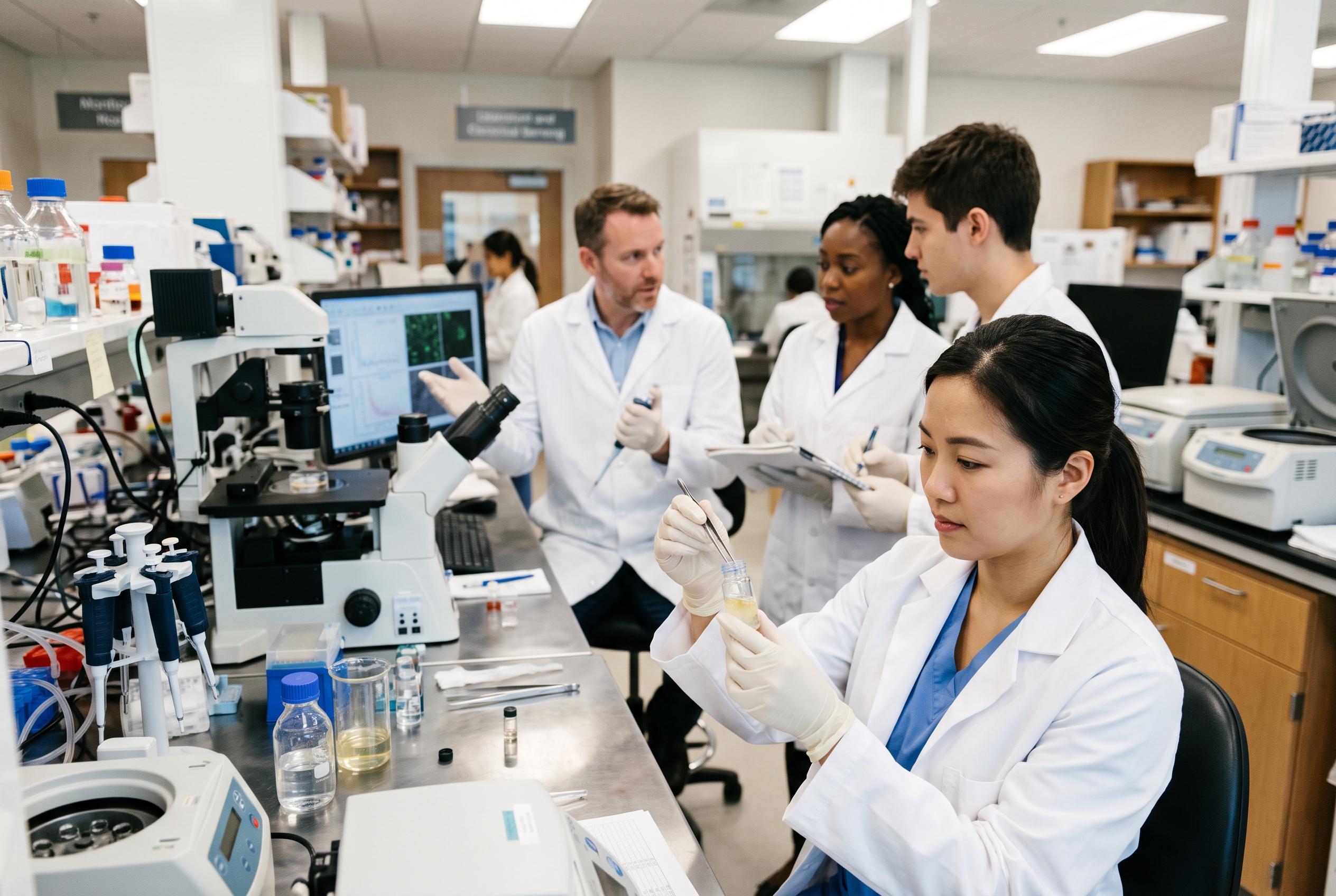

Avaí Bio, Austrianova and Milan’s Ospedale San Raffaele have launched early-stage research into whether encapsulated stem cell-derived beta cells can survive, function and evade immune attack after transplantation.
Avaí Bio and Austrianova have begun a joint research effort with Ospedale San Raffaele in Milan to assess an encapsulated beta-cell replacement approach for insulin-dependent diabetes, following an inaugural steering committee meeting on 7 October 2026. The collaboration is intended to examine whether stem cell-derived beta cells from the hospital can be protected and supported using Austrianova’s Cell-in-a-Box technology, which places cells inside a protective capsule designed to improve their survival after transplantation.
According to the companies, the initial work will focus on two central questions: whether the encapsulated beta cells can remain alive and continue functioning, and whether the capsule system can offer stronger immune protection for transplanted cells. That matters because cell replacement therapies for diabetes have long faced the challenge of immune rejection, which can limit how long transplanted cells remain effective in the body.
The programme brings together researchers and clinicians from Ospedale San Raffaele, including Lorenzo Piemonti, director of the Diabetes Research Institute, and Valeria Sordi, head of the Beta Cell Differentiation Unit, alongside Austrianova representatives and consultants linked to Insulinova, the equally owned joint venture formed by Avaí Bio and Austrianova to develop encapsulated cell-based therapies. The companies said the meeting was used to agree on experimental priorities and to map out the evidence needed to judge whether the combined approach warrants further development.
While the announcement frames the project as an early-stage research collaboration rather than a clinical breakthrough, it points to continuing interest in cell therapy as a possible route towards better diabetes treatment. Encapsulation strategies are being explored more widely in regenerative medicine because, in theory, they can shield transplanted cells from the immune system while still allowing them to release therapeutic molecules. For now, however, the Avaí Bio-Austrianova project is at the stage of generating data on viability, function and immune protection before any larger development path can be defined.
Disclaimer: This content is for informational purposes only and is not intended to be a substitute for professional medical judgment, advice, diagnosis, or treatment.



