

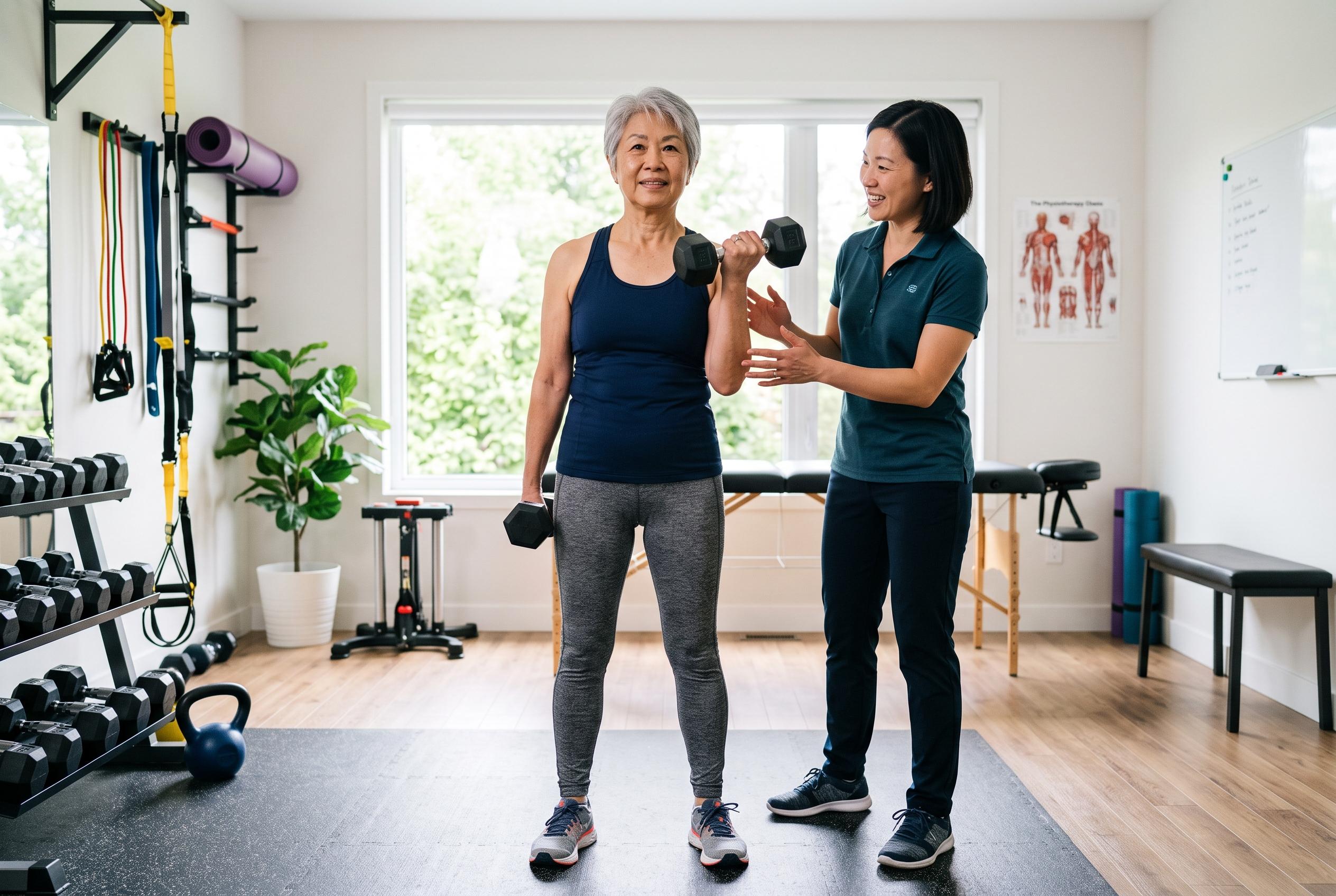

After a serious road accident left Rosemina Hamzah struggling to walk, her physiotherapist daughter helped her rebuild her strength , and become a prize-winning weightlifter.
Rosemina Hamzah spent much of 2025 relearning movements that many people take for granted. By the time she first arrived at a gym in Singapore in late August, the 73-year-old was struggling to walk because of persistent knee and joint pain. Her health problems also included high blood pressure, raised cholesterol and diabetes, and they had worsened sharply after a serious road accident in 2023 left her bedridden and in a wheelchair for months.
According to reporting carried by The Economic Times and Singapore’s local coverage, the turning point came when her daughter, Rahman, a newly qualified physiotherapist, decided to take charge of her mother’s rehabilitation. Rahman bought Rosemina a gym membership and began training her herself, even though her mother was initially reluctant and wary of weights. Rosemina said she was frightened of injury and assumed the gym was for younger people, but the programme was built around a straightforward goal: strengthen her lower body so she could move without pain.
The change did not come quickly. Her first sessions were difficult, but within about eight weeks she completed her first deadlift. By the end of roughly a year, she was lifting 67.5 kilograms, more than her own body weight, and had become a source of pride at the gym. The Economic Times reported that she went on to win first place in a weightlifting event, turning what began as a family-led recovery plan into a much wider story of late-life athletic progress.
The wider appeal of Rosemina’s story lies in how closely it matches the case for strength training in older age. Harvard Health reported in June 2026 that decades of regular strength work, up to two hours a week, was linked to a lower risk of early death from several serious illnesses, including heart disease and neurological disease. Fitness groups and health writers also point to broader benefits for women in particular: stronger muscles, better bone density, improved balance and confidence, and a lower risk of falls. In Rosemina’s case, those gains have been visible in daily life as well as in the gym. Her blood pressure has improved to 125 mmHg, her cholesterol has fallen to 2.4 mmol/L, and she is once again walking, cycling and keeping up with her grandchildren.
Disclaimer: This content is for informational purposes only and is not intended to be a substitute for professional medical judgment, advice, diagnosis, or treatment.



