

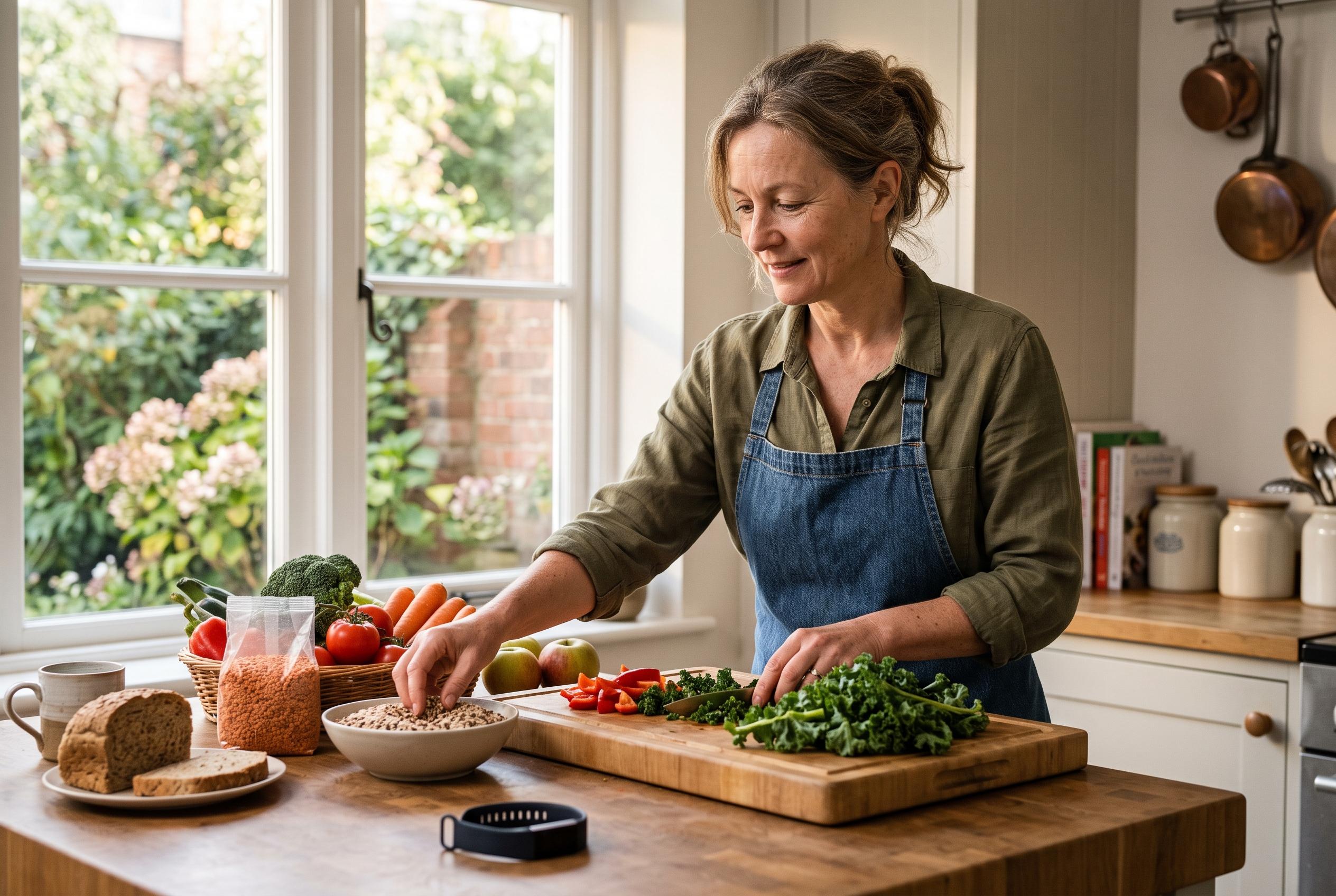

Endocrinologist Anton Polyakov says controlling calorie intake, staying active, managing stress and getting enough sleep can help lower the risk of type 2 diabetes.
Endocrinologist and dietitian Anton Polyakov has said that lowering the risk of diabetes depends on more than simply cutting back on sweets. In an interview with aif.ru, Polyakov argued that prevention starts with the broader pattern of daily habits, including how much people eat, how active they are and how well they sleep.
Polyakov said the first priority is to bring eating habits under control so that daily calorie intake matches the body’s energy needs. He warned that consistently eating more than is burned can lead to weight gain and raise the likelihood of type 2 diabetes, adding that prevention should be based on balanced meals containing appropriate levels of protein, fat and carbohydrates. He also urged people to reduce fast carbohydrates and limit highly processed foods, including fast food.
His advice is broadly in line with guidance from the American Heart Association, the US Centres for Disease Control and Prevention and the Mayo Clinic, all of which list excess weight, low physical activity and unhealthy eating patterns among the key modifiable risk factors for diabetes. Those organisations say that lifestyle changes can materially reduce risk, particularly for people already predisposed to the disease because of age or family history.
Polyakov also highlighted physical inactivity and chronic stress as major concerns. He said people who spend long periods in a sedentary state are at higher risk because their energy expenditure is lower, while those living under constant stress may also be more vulnerable. The Cleveland Clinic and Harvard Health likewise point to regular exercise, stress management, healthy sleep and gradual weight loss as practical steps that can help prevent type 2 diabetes. Polyakov added that some people with a genetic tendency towards type 2 diabetes may discuss supplements with a doctor, but stressed that the main defence is sustained lifestyle change rather than any single remedy.
Disclaimer: This content is for informational purposes only and is not intended to be a substitute for professional medical judgment, advice, diagnosis, or treatment.



