

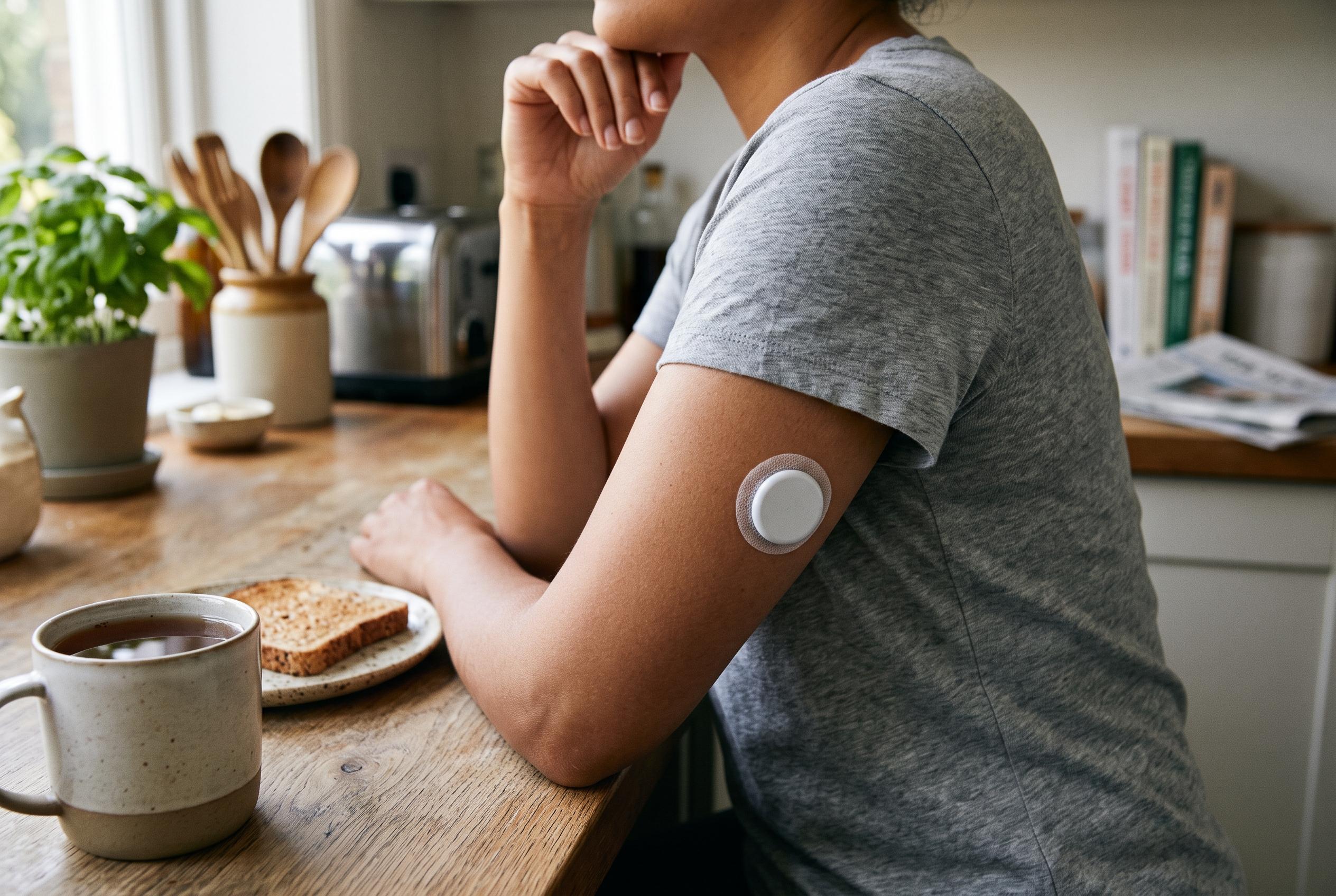

Continuous glucose monitors are transforming diabetes management by tracking blood sugar around the clock, but experts warn they are not a substitute for medical testing or advice.
Continuous glucose monitors, or CGMs, are reshaping diabetes care by giving people a near real-time picture of how their blood sugar changes across the day and night. The devices, which use a small sensor placed under the skin, are widely described by the US Centres for Disease Control and Prevention, the National Institute of Diabetes and Digestive and Kidney Diseases and other health bodies as particularly useful for people with type 1 diabetes and for some people with type 2 diabetes who use insulin. They can also reduce reliance on repeated finger-prick testing, although occasional checks with a standard glucose meter may still be advised to confirm readings.
The appeal of a CGM is that it does more than supply a single number. Instead of providing a momentary snapshot, it tracks trends and fluctuations, showing whether glucose is rising, falling or holding steady. Health authorities say this can help people make better-informed choices about insulin dosing, food, exercise and daily routines. In practical terms, that means a person may be able to spot patterns they would otherwise miss, such as blood sugar dips overnight or sharp rises after certain meals.
That broader picture is also why CGMs can be so valuable in avoiding hypoglycaemia, or low blood sugar, which can lead to sweating, shaking, confusion and, in severe cases, loss of consciousness. Many systems can issue alerts when levels fall too low or climb too high, giving users a chance to act sooner. The devices are not perfect, however: official guidance from the CDC, the Indian Health Service and the National Institute of Diabetes and Digestive and Kidney Diseases notes that sensors can be inaccurate at times, readings may lag slightly behind what is happening in the bloodstream, and the units usually need replacing every seven to 14 days.
The growing popularity of CGMs has also opened up a debate beyond diabetes care. Some people without diabetes now wear them to see how their bodies respond to food, stress, sleep or exercise. Harvard Health says that may offer some insight, but it also risks creating unnecessary anxiety if ordinary blood sugar rises are mistaken for a medical problem. Experts stress that CGMs are monitoring tools, not diagnostic tests for diabetes, and that anyone worried about symptoms or high readings should seek proper medical assessment rather than relying on a sensor alone.
For people who need them, CGMs can be a major step forward: less guesswork, fewer blind spots and a clearer understanding of day-to-day control. But the technology works best when it is treated as one part of diabetes management rather than a substitute for professional advice or established blood testing. As the devices become smaller, easier to use and more common, their central promise remains the same: not just an occasional glimpse of blood sugar, but a fuller view of what is happening over time.
Disclaimer: This content is for informational purposes only and is not intended to be a substitute for professional medical judgment, advice, diagnosis, or treatment.



