

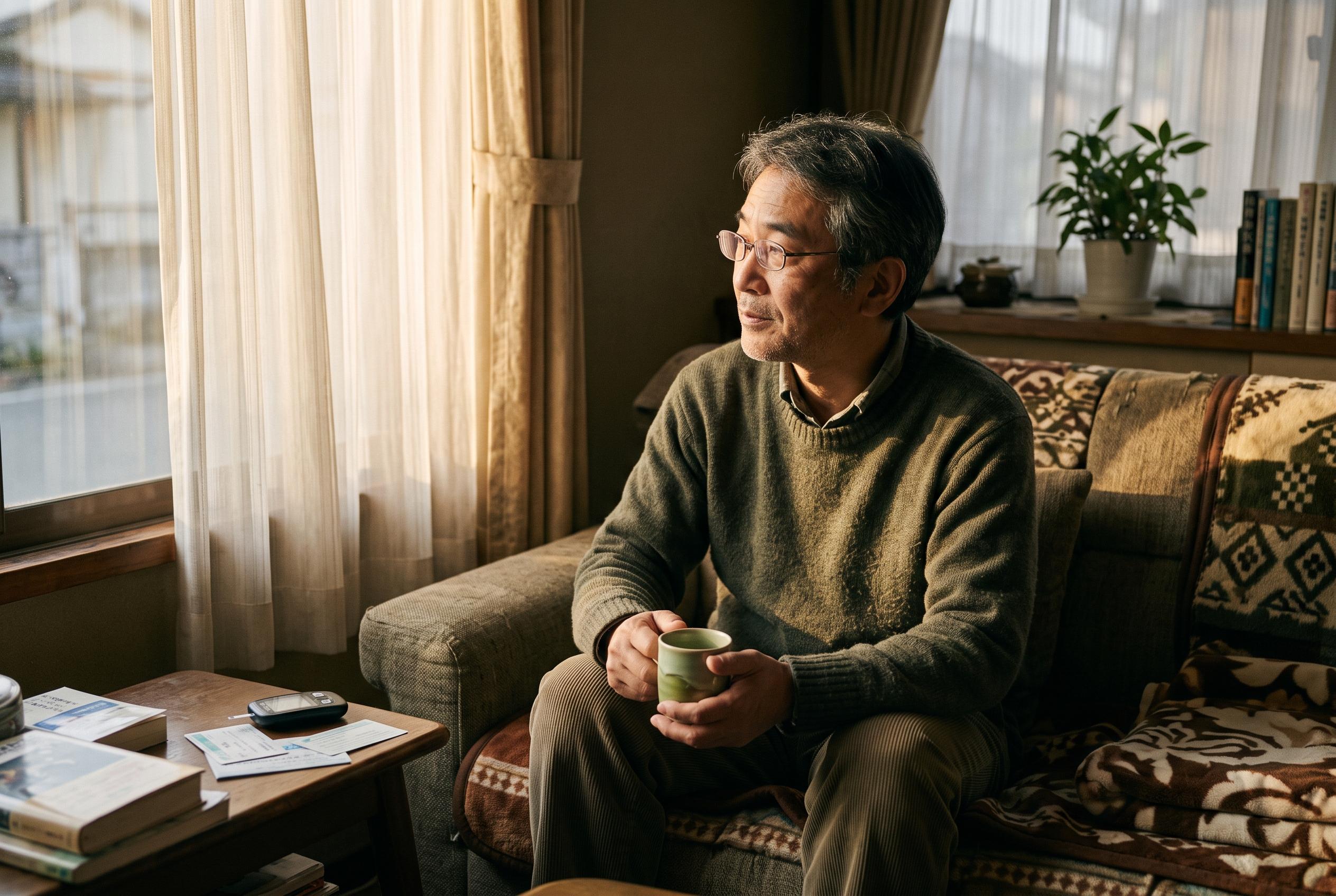

A six-year study of 678 Japanese adults links habitual longer sleep with diabetic kidney disease, particularly among older people and those with existing kidney impairment, but cannot show that sleep causes the damage.
People with type 2 diabetes who sleep for longer periods may face a greater risk of developing or worsening diabetic kidney disease, according to research highlighted by the Endocrine Society and published in the Journal of the Endocrine Society. The study followed 678 Japanese adults with type 2 diabetes for about six years and found that habitual longer sleep was linked with a higher likelihood of diabetic nephropathy, the medical term for kidney damage caused by diabetes.
Diabetic kidney disease is one of the most serious long-term complications of diabetes and can progress to kidney failure. It is also closely tied to cardiovascular problems. In the new study, the association was strongest in older participants and in those who already had signs of kidney impairment, including microalbuminuria, which is the presence of small amounts of albumin in the urine, or a reduced level of kidney function.
Tomoya Mita of Juntendo University Graduate School of Medicine in Tokyo said longer sleep should not be seen as a cause of kidney disease. He said the finding may instead help clinicians spot people with diabetes who need closer monitoring. Mita stressed that the research was observational, meaning it can show an association but cannot prove that sleep duration itself leads to kidney damage.
The study adds to a broader body of research linking sleep patterns with kidney health. Earlier studies indexed in PubMed have reported associations between both short and long sleep and diabetic kidney disease, while other research has suggested that sleep duration may affect renal function more generally. Still, the evidence remains mixed, and researchers say further longitudinal work is needed to understand whether sleep length is a marker of poor health, a contributing factor, or both.
The authors said the work was funded by the Manpei Suzuki Diabetes Foundation and involved researchers from Juntendo University, Naka Kinen Clinic and the University of Tsukuba.
Disclaimer: This content is for informational purposes only and is not intended to be a substitute for professional medical judgment, advice, diagnosis, or treatment.



