

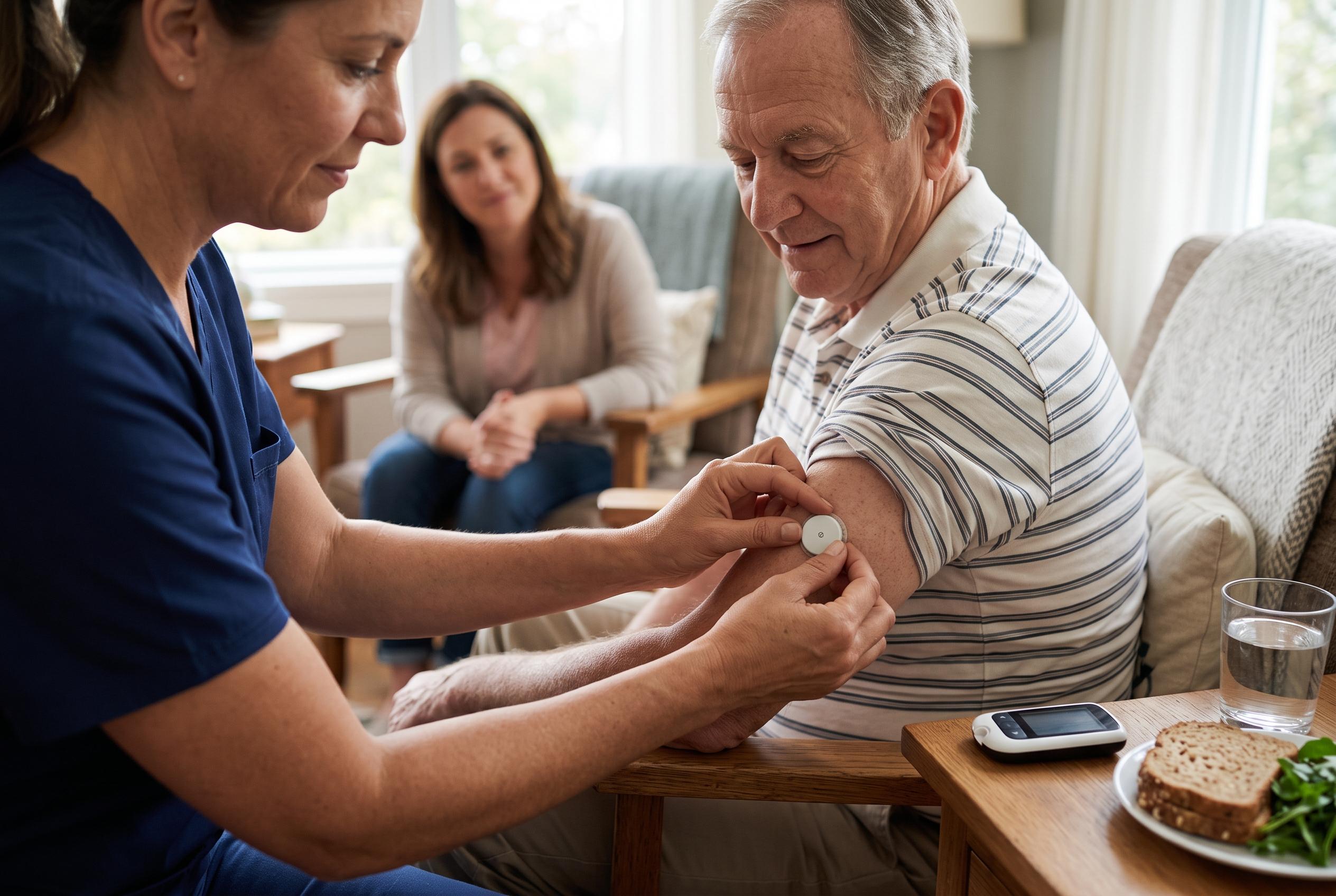

Experts at the 2026 ADA Scientific Sessions highlighted advancements in continuous ketone monitoring that could enable clinicians to detect diabetic ketoacidosis earlier, potentially transforming patient outcomes amid rising global rates.
Diabetic ketoacidosis remains a major and growing danger for people with diabetes, and experts at the American Diabetes Association’s 2026 Scientific Sessions argued that a new generation of continuous ketone monitoring could help clinicians intervene sooner. The ADA meeting news report said more than 250,000 hospital admissions for diabetic ketoacidosis, or DKA, occur each year in the United States, citing Centres for Disease Control and Prevention data, while global rates are rising in both children and adults with type 1 and type 2 diabetes. Guillermo Umpierrez, professor of medicine at Emory University School of Medicine, told the meeting that earlier diagnosis is essential because DKA carries high mortality and substantial health-care costs.
The CDC says DKA develops when the body does not have enough insulin, allowing ketones to build up and blood glucose to rise, and it warns that early recognition is critical because the condition can become life-threatening. At the meeting, Umpierrez said the causes differ by diabetes type: insulin omission is the most common trigger in type 1 diabetes, while infection and other stressors are more often involved in type 2 diabetes. He also noted that cases in type 2 diabetes are increasing as the condition becomes more common and as more patients use sodium-glucose cotransporter 2, or SGLT2, inhibitors.
Researchers and clinicians discussing the issue at the ADA meeting said continuous ketone monitoring, known as CKM, could provide a more proactive way to spot danger before DKA develops. Viral Shah, professor of medicine at Indiana University School of Medicine, described a multidisciplinary effort to build practical guidance for ketosis and DKA, including simple steps that health professionals can pass on to patients and carers. Those steps include checking whether a person is prepared to manage elevated ketones safely at home, reviewing ketone levels and trends, confirming access to unexpired insulin and considering stopping an SGLT2 inhibitor when appropriate.
The technology behind CKM measures beta-hydroxybutyrate, the main ketone involved in DKA, in interstitial fluid beneath the skin. According to the meeting coverage, that allows rising ketones to be detected earlier than with urine testing and without relying on the patient to start the test. Eden Miller, a family physician and diabetes specialist, said current ketone monitoring is slowed by limited access and delays in sharing results, whereas continuous monitoring could offer real-time warning. She said the goal is to prevent the family disruption that comes with an emergency DKA episode rather than waiting until a crisis occurs.
The case for wider adoption is stronger now that the first dual glucose-ketone sensor has received European approval for use in people with diabetes, and the US Food and Drug Administration has authorised a wearable device that continuously tracks both ketones and blood sugar in people aged two and older. Jennifer Sherr, of Yale University School of Medicine, said the time had come for what she called a new phase in diabetes care, arguing that passive data collection and earlier intervention could improve safety. But Jeremy Pettus, of the University of California, San Diego, pushed back, saying the technology still risks adding confusion, anxiety, clinic workload and cost, and is not yet ready for broad use.
Disclaimer: This content is for informational purposes only and is not intended to be a substitute for professional medical judgment, advice, diagnosis, or treatment.



