

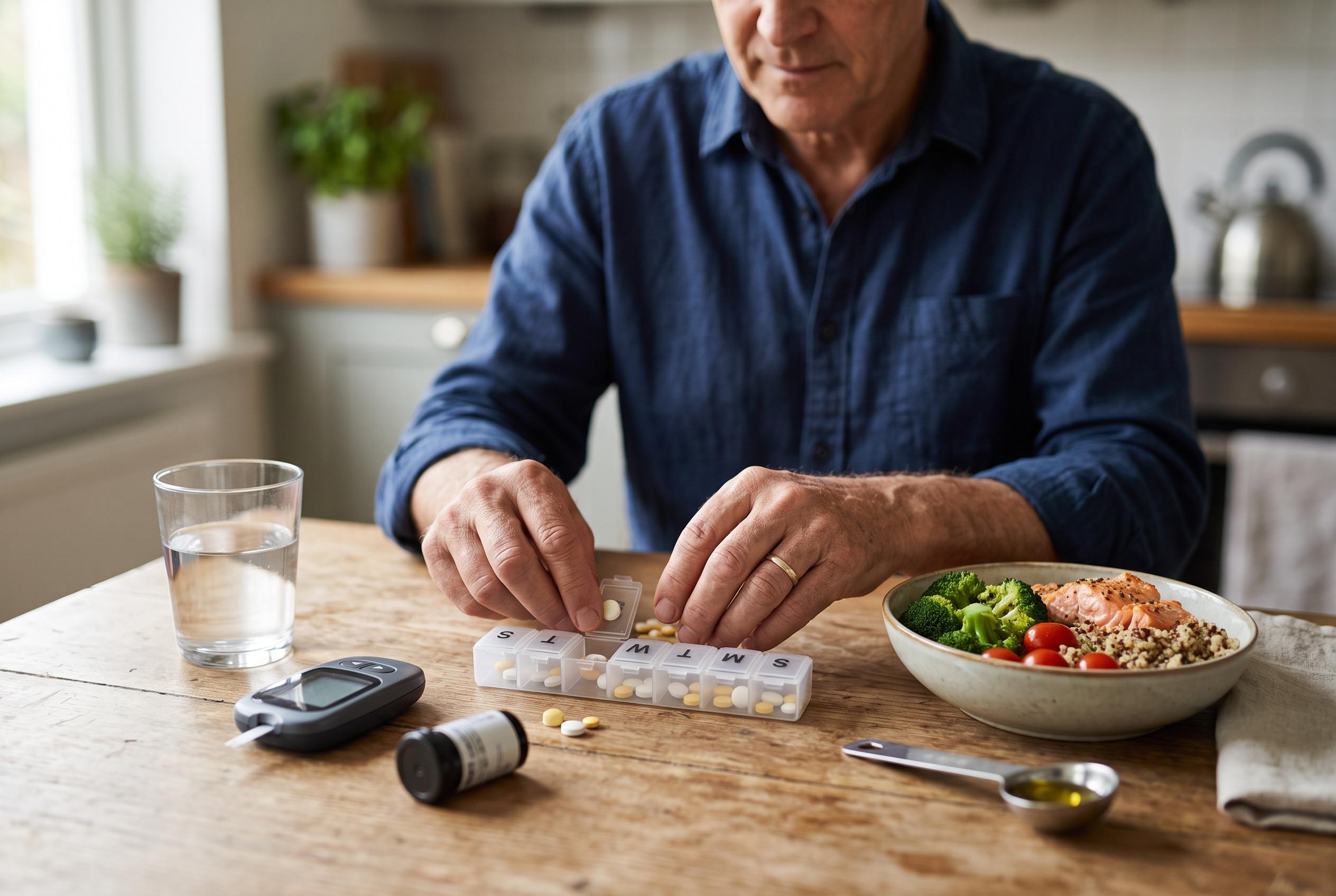

Lilly’s oral GLP-1 drug Foundayo, orforglipron, demonstrated notable projected reductions in 10-year risks of type 2 diabetes and cardiovascular disease in a Phase 3 trial, highlighting its promise beyond weight management.
Eli Lilly says its once-daily oral GLP-1 treatment Foundayo, also known as orforglipron, has been linked to sizeable reductions in projected long-term risks of type 2 diabetes and cardiovascular disease, adding a new layer to the drug’s weight-loss profile. The company’s latest analysis, drawn from the Phase 3 ATTAIN-1 trial and published in Diabetes, Obesity and Metabolism, looked at adults with obesity or overweight who also had at least one weight-related health condition.
According to Lilly, people taking 5.5 mg, 9 mg and 17.2 mg doses for 72 weeks showed estimated falls of 45%, 50% and 57% in their 10-year risk of developing type 2 diabetes, compared with placebo. The highest dose was also associated with an 18% reduction in predicted 10-year cardiovascular disease risk. These figures come from risk models rather than observed disease events, so they should be read as projections rather than proof that the drug prevented diabetes or heart attacks.
The analyses used established forecasting tools: the Cardiometabolic Disease Staging risk engine for diabetes and a BMI-based Framingham model for cardiovascular disease. That distinction matters, because the results suggest potential future benefit, not direct clinical endpoints. Lilly said the findings build on earlier evidence from ATTAIN-1 showing that orforglipron can lower body weight and improve measures such as blood sugar, blood pressure and cholesterol.
The ATTAIN-1 trial enrolled 3,127 participants across several countries, including the US, China, India, Japan, South Korea and Spain. The study tested three doses of orforglipron against placebo over 72 weeks in adults with obesity, or overweight with at least one related medical condition, who did not have diabetes. The American College of Cardiology previously noted that the highest dose produced average weight loss of 11.2% and improvements in waist circumference, systolic blood pressure, lipids and glucose measures, with side effects mainly gastrointestinal and generally mild to moderate.
The new analysis comes soon after Lilly reported results from its ACHIEVE-4 study in people with type 2 diabetes. In that trial, the company said orforglipron met criteria for cardiovascular safety against insulin glargine while also improving glycaemic control and weight. Lilly is continuing to test the drug in other conditions, including obstructive sleep apnoea, hypertension, peripheral artery disease and knee osteoarthritis pain. Even so, the company acknowledges that further research will be needed to show whether the projected risk reductions translate into fewer actual diabetes and cardiovascular events.
Disclaimer: This content is for informational purposes only and is not intended to be a substitute for professional medical judgment, advice, diagnosis, or treatment.



