

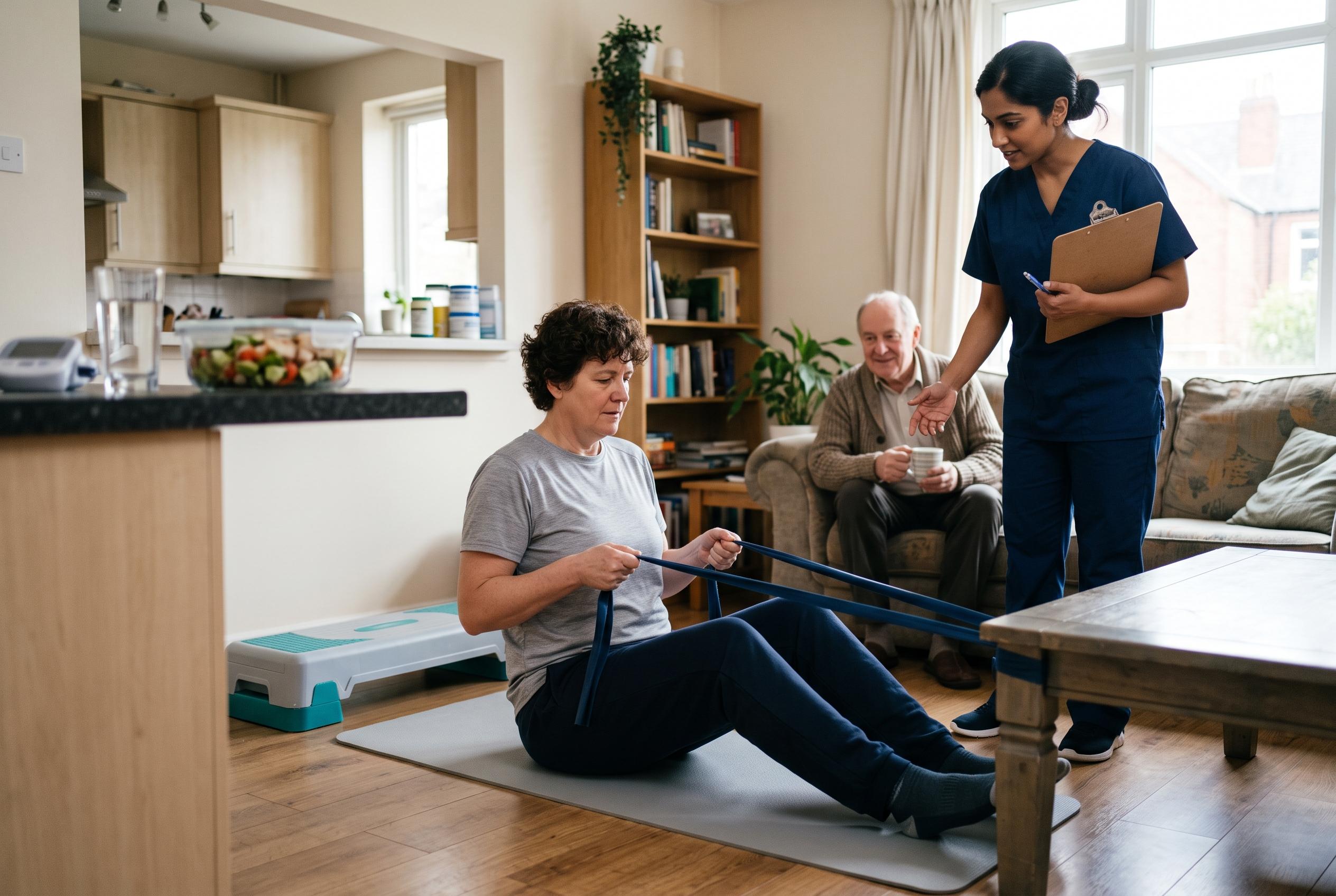

Emerging evidence highlights exercise not just as lifestyle advice but as a recognised and essential part of long-term disease management, tailored to individual needs to optimise health outcomes.
Exercise is increasingly being treated as more than a lifestyle choice in chronic disease care. In a HealthDay report published by Drugs.com, Dr. Jillian Foglesong Stabile wrote that regular movement is now widely recognised as a meaningful part of managing long-term conditions such as diabetes, heart disease, high blood pressure, arthritis and some cancers. The idea is simple but powerful: physical activity can complement medication, diet and other medical treatment rather than sit outside them.
The benefits are broad and well documented. According to the US Centres for Disease Control and Prevention, exercise can improve sleep, ease anxiety and lower blood pressure in the short term, while also reducing the longer-term risk of heart disease, stroke, type 2 diabetes, certain cancers and bone loss. The Mayo Clinic says regular activity can also help with weight control, lift mood, increase energy and support better sleep, while offering protection or symptom relief in conditions including depression, anxiety and high blood pressure.
For people already living with chronic illness, the gains can be especially practical. The Mayo Clinic says physical activity can help ease the burden of heart disease, diabetes, arthritis and depression by improving overall function and quality of life. The CDC similarly notes that adults with chronic health conditions or disabilities can be active and that even modest amounts of movement can be worthwhile, with recommended targets including 150 minutes a week of moderate-intensity aerobic exercise and muscle-strengthening work on two or more days a week.
Age also matters. The National Institute on Aging says physical activity can help older adults lower their risk of cardiovascular disease, high blood pressure, type 2 diabetes, certain cancers and dementia, while also supporting emotional wellbeing and cognition. That broader evidence base helps explain why clinicians are increasingly encouraged to discuss exercise as part of routine care, not merely as a general wellness tip.
The key, experts say, is tailoring the plan to the person rather than forcing a one-size-fits-all routine. Dr. Foglesong Stabile reported that some people may benefit from structured aerobic or resistance training, while others may do better with gentler options such as walking, swimming or yoga. The broader message from public health agencies and major medical centres is that movement does not need to be extreme to matter; consistency and suitability are what make it therapeutic.
Disclaimer: This content is for informational purposes only and is not intended to be a substitute for professional medical judgment, advice, diagnosis, or treatment.



