

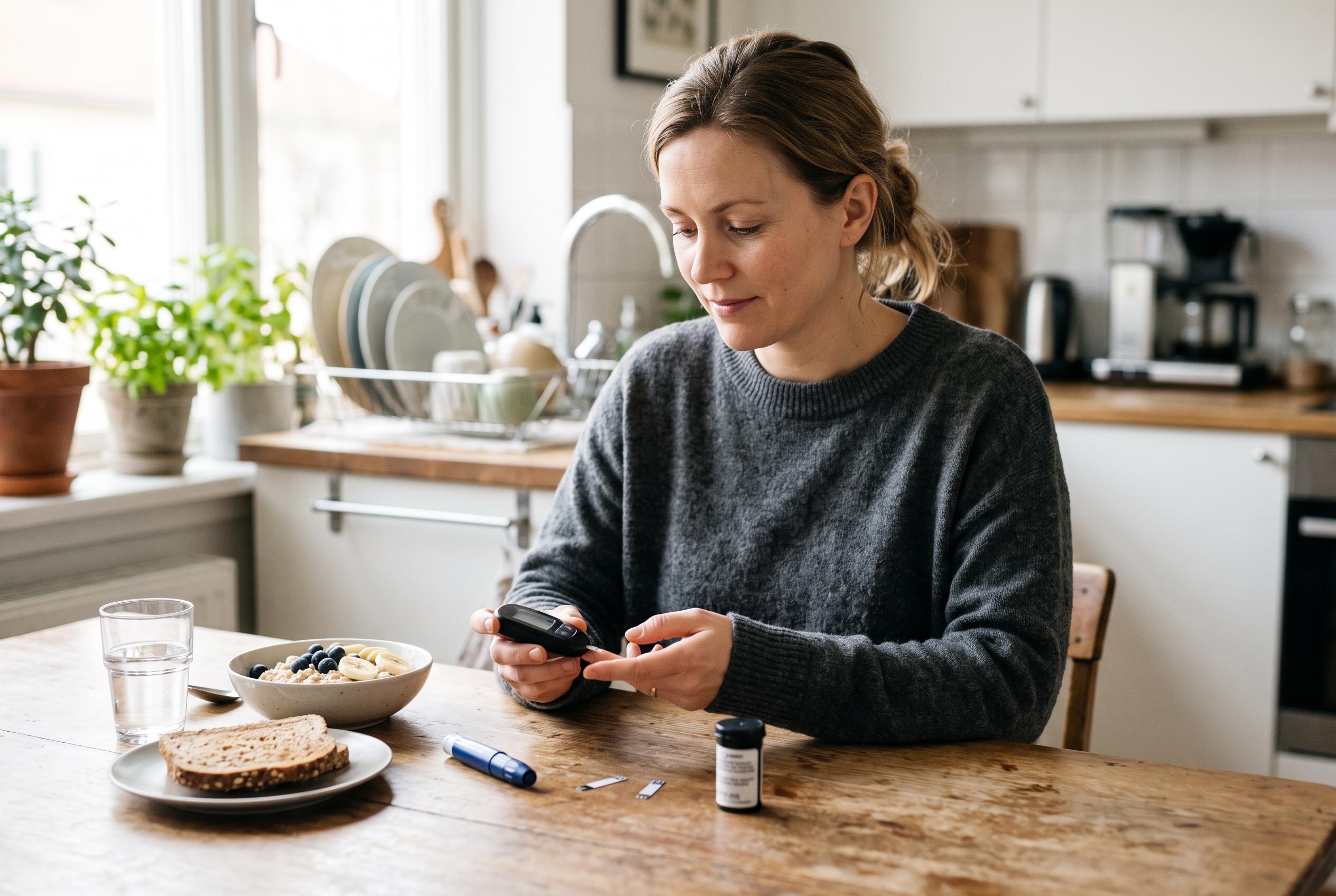

A new German study reveals that, alongside traditional goals of tight glucose control, greater day-to-day glucose fluctuations, within safe limits, may be linked to improved mood and quality of life for some individuals living with diabetes, challenging existing assumptions.
Managing diabetes can already feel relentless, and a new German study suggests that the pursuit of near-perfect glucose control may carry an unexpected emotional price for some people. Researchers from the PRO-MENTAL study reported at the European Association for the Study of Diabetes annual meeting in Milan that, for some participants, feeling better the next day was linked not only to staying in a healthy range, but also to having more day-to-day variation in glucose than usual, so long as those swings remained within safe limits.
The study followed 400 adults with type 1 or type 2 diabetes for 14 days, using continuous glucose monitors alongside brief daily questionnaires on mood, energy, restfulness, alertness and general well-being. Most participants had type 1 diabetes and just over half were women. According to the researchers, better quality of life the next day was associated with more time spent between 70 mg/dL and 140 mg/dL, which fits long-standing guidance that glucose control matters for both short-term and long-term health.
Yet the team also found a second pattern that complicates the usual narrative. Days marked by greater glucose variability than an individual typically experienced were also linked with improved well-being the following day. The researchers suggested that very strict control can sometimes come with practical trade-offs, such as extra planning around meals, exercise, social events and other activities people may not want to avoid. In that sense, the findings point to a tension between clinical targets and the everyday burden of living with diabetes.
That does not mean people should deliberately allow blood sugar to swing widely. Dangerous highs and lows can cause immediate harm, and persistent poor control can damage the eyes, kidneys, nerves, heart and blood vessels over time. The study also did not find a clear link between same-day glucose readings and same-day quality of life, while sleep and energy also appeared to play an important role. The authors stressed that their results show association, not proof that tighter control makes people feel worse or that more variability improves well-being.
The new findings also sit uneasily alongside earlier research. A 2021 systematic review found that higher glucose variability was associated with worse mood, including more anxiety and depression, while a 2015 study in Diabetes Care linked greater variability in type 1 diabetes with lower quality of life. Earlier work in women with type 2 diabetes found a similar pattern. Taken together, the newer German data suggest that the relationship between glucose patterns and how people feel is not straightforward, and that diabetes care may need to balance safety, flexibility and quality of life rather than chase a single numerical ideal.
Disclaimer: This content is for informational purposes only and is not intended to be a substitute for professional medical judgment, advice, diagnosis, or treatment.



