

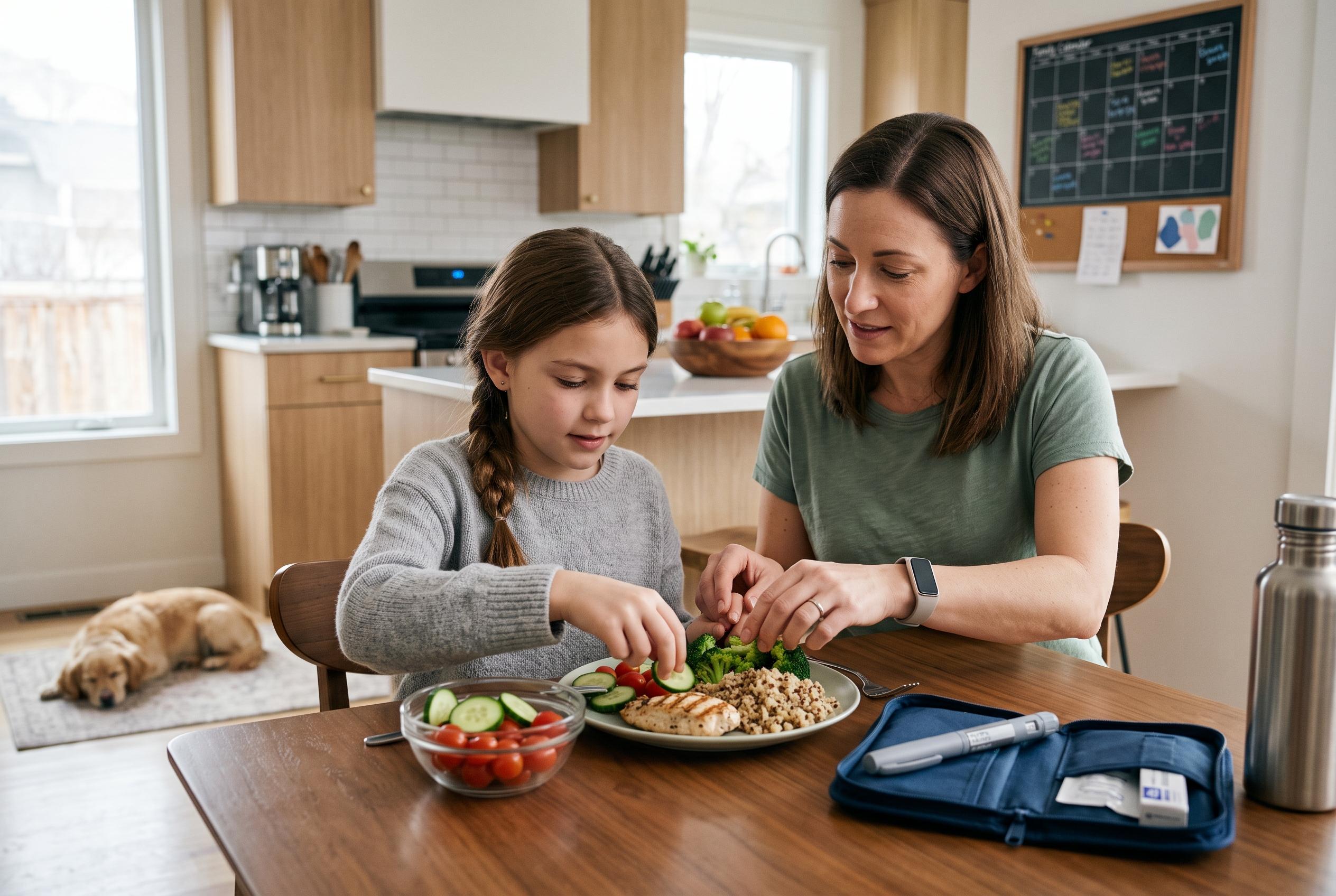

As GLP-1 receptor agonists become part of paediatric type 2 diabetes treatment, experts emphasise the need for comprehensive family and community support to ensure long-term health outcomes.
Families confronting a child’s type 2 diabetes often face an immediate and uneasy mix of questions about food, medicine and the future. The central issue is not simply whether a GLP-1 medicine might help. It is how treatment fits into the wider reality of a child’s life: what the family can buy, what schools serve, what routines are realistic, and what kind of support parents and carers actually receive. The article supplied for this piece makes that broader point clearly, and the latest research suggests the discussion should indeed be wider than prescriptions alone.
GLP-1 receptor agonists are now part of the treatment picture for some children and adolescents with type 2 diabetes, and the evidence base is growing. A systematic review and meta-analysis indexed in PubMed found that these medicines can reduce body mass index and improve blood sugar control in paediatric patients, while also calling for better long-term safety data. A separate meta-analysis published in 2024 reported similar benefits for HbA1c, fasting glucose, body weight and systolic blood pressure, but noted that gastrointestinal side effects were more common. An earlier review in the springer journal article on adolescents stressed the importance of early intervention and individualised treatment plans. Together, the research suggests these drugs can be effective, but they are not a complete answer.
That context matters because the conference report described in the lead article involves more than just medication. It looked at 1,878 people aged 6 to 24 with type 2 diabetes across Germany, Austria and Luxembourg, and found that 388 had been prescribed a GLP-1 receptor agonist or a dual GIP/GLP-1 medicine such as tirzepatide. The report said the group typically used the treatment for about 11 months, during which average age-adjusted body mass index fell and blood sugar control improved, with fewer cases of high blood pressure. But the evidence remains preliminary: the findings were presented at a medical meeting rather than published as a peer-reviewed journal article, and the observational design means the results cannot prove the medicine alone caused the changes.
The more difficult question raised by the article is what “lifestyle changes” actually meant. In paediatric diabetes care, that phrase can cover anything from basic advice to a far more structured programme involving family meals, activity plans, behaviour support and regular dietetic input. The American Academy of Pediatrics recommends intensive family-based programmes with at least 26 contact hours over three to 12 months for weight management in children. That is a meaningful level of support, but it is also a reminder that advice on paper is not the same as sustained help at home. The lead article argues, with some force, that families need practical nutrition education, access to affordable food and ongoing coaching if they are to make lasting changes.
There is also a wider policy lesson here. Studies reviewed by PubMed and other sources suggest GLP-1 medicines can help young people with type 2 diabetes, but they do not remove the need to address the environments that shape children’s health in the first place. School meals, food prices, transport, marketing and safe places to exercise all matter. The article’s call for a more family-centred, school-linked approach is therefore not a distraction from medical treatment; it is part of the same conversation. If children are to benefit from better outcomes over time, medication, nutrition support and the conditions around them will need to work together.
Disclaimer: This content is for informational purposes only and is not intended to be a substitute for professional medical judgment, advice, diagnosis, or treatment.



