

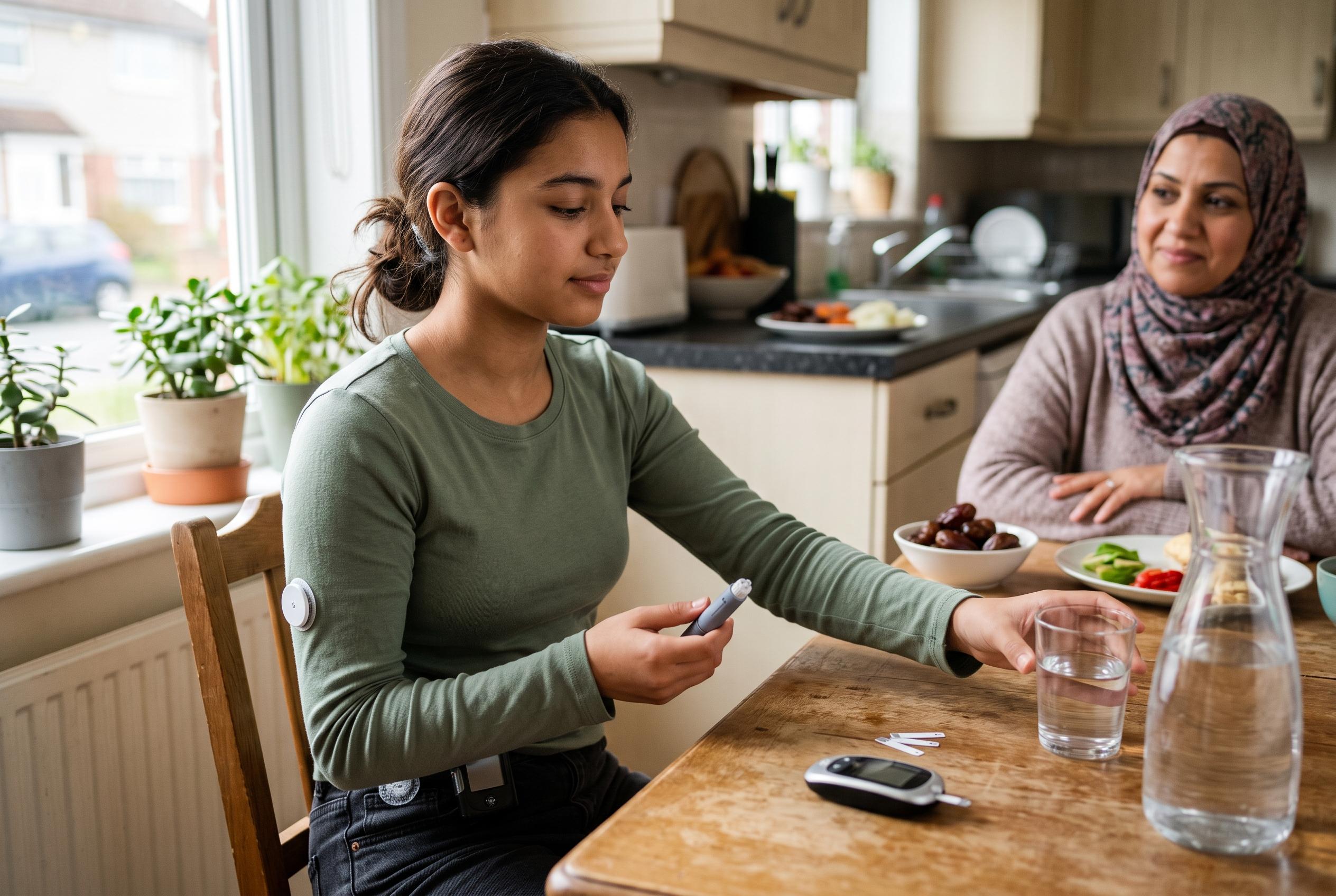

Research suggests that with proper preparation and advanced insulin delivery systems, young people with type 1 diabetes may safely observe prolonged religious fasts, challenging previous assumptions about risks involved.
A new study from researchers at the Jerusalem College of Technology and Shaare Zedek Medical Centre suggests that advanced insulin technology may help some adolescents and young adults with type 1 diabetes complete long religious fasts more safely, provided they adjust their devices in advance and do so under medical guidance.
Published in the Journal of Diabetes Science and Technology, the research focused on prolonged Jewish fasts, especially Yom Kippur and Tisha B’Av, which involve abstaining from both food and drink for about 25 hours. For people with type 1 diabetes, fasting has traditionally been discouraged because of the risk of low blood sugar, high blood sugar and dehydration. Yet the researchers noted that many people with diabetes still choose to fast for religious and personal reasons, often because it helps them feel included and able to meet a spiritual obligation.
The study analysed 109 fasting days involving 80 participants, all of whom used automated insulin delivery systems that pair an insulin pump with a continuous glucose monitor. According to the paper, 71.5% of fasting attempts were completed without significant complications. No cases of severe hypoglycaemia or diabetic ketoacidosis, a dangerous build-up of acids in the blood, were reported during or after the fasting periods. The average participant was 17.4 years old, and most had lived with diabetes for several years.
A key finding was that preparation mattered. About two-thirds of participants altered their pump settings before the fast, usually by raising their glucose target or lowering insulin delivery. Among those who made such changes, 84.5% finished the fast successfully, compared with 40% of those who did not. The researchers said that statistical analysis suggested advance adjustment increased the chances of success eightfold. They also found that blood glucose control actually improved during the fast, with participants spending more time in their target range than in the week beforehand.
The findings build on a growing body of evidence that newer diabetes technologies can make fasting easier to manage in carefully selected patients. Previous studies in other fasting settings, including Ramadan, have also suggested that automated insulin delivery systems can support better glucose control without major safety problems. Even so, the Israeli researchers cautioned that their results should not be taken as a green light for everyone with type 1 diabetes to fast. Older patients and those with existing complications were not included, and the team said the approach should be individualised and supervised by clinicians. They plan further research, including work looking at ketones, which can rise when the body burns fat for energy because it is not receiving enough carbohydrates.
Disclaimer: This content is for informational purposes only and is not intended to be a substitute for professional medical judgment, advice, diagnosis, or treatment.



