

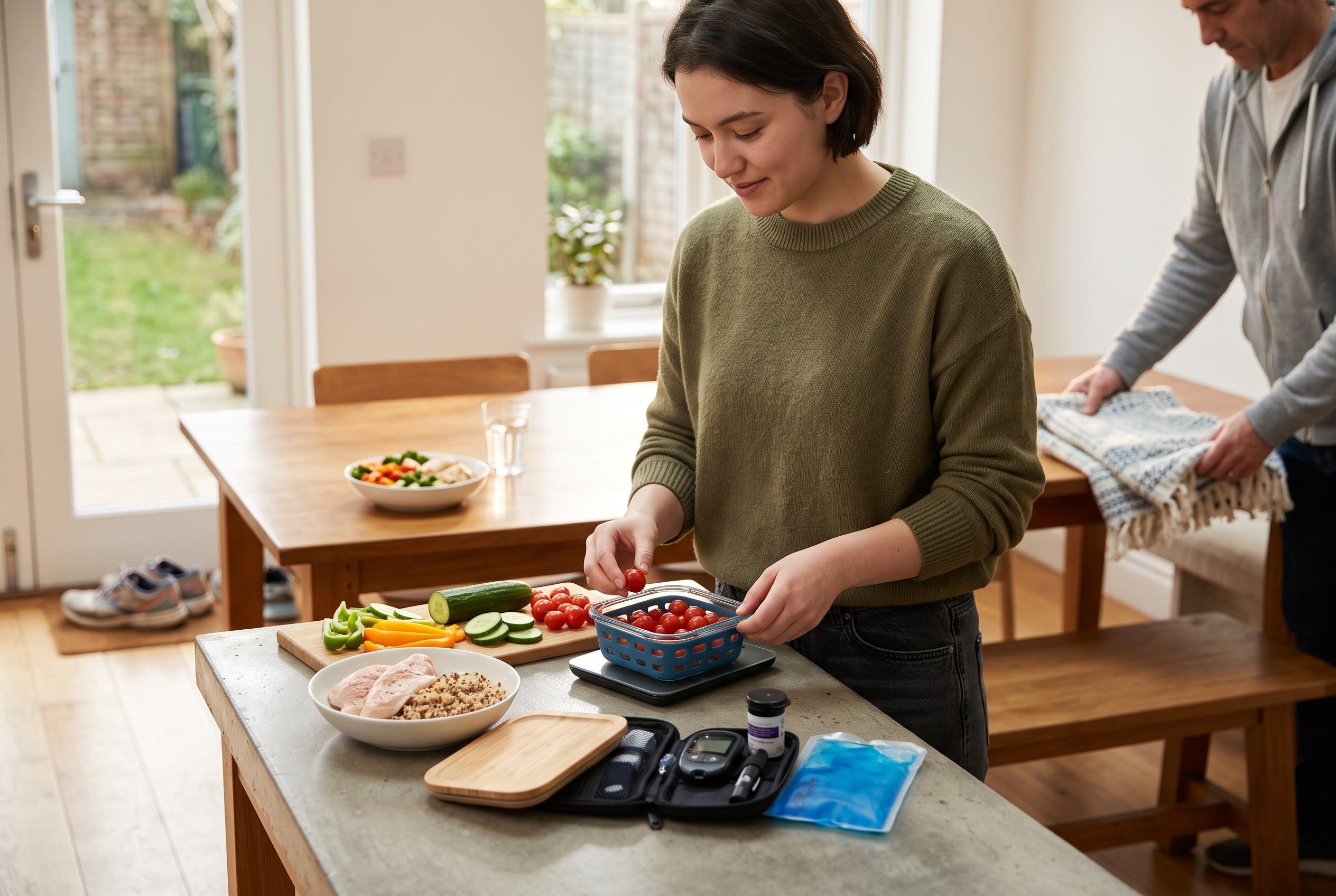

A recent study presented at the European Association for the Study of Diabetes reveals that a comprehensive low-calorie diet combined with exercise enabled over half of younger adults with type 2 diabetes and obesity to achieve remission, highlighting the potential of structured lifestyle changes as a realistic management goal.
A combination of a low-calorie diet and structured exercise helped more than half of younger adults with type 2 diabetes and obesity enter remission, according to findings presented at the European Association for the Study of Diabetes annual meeting in Milan on 30 September. The study focused on 96 participants in Britain and Canada aged between 18 and 45 who were not using insulin, and set a clear bar for success: an HbA1c reading below 6.5% and no glucose-lowering medication for at least 12 weeks.
The results suggest that intensive lifestyle change can do more than improve day-to-day blood sugar control. In the intervention group, 27 of 50 participants reached remission, compared with just two of 46 in usual care. The programme was more comprehensive than general advice to eat less or move more, combining calorie restriction with aerobic and resistance training, including supervised sessions, before shifting people on to a weight-maintenance phase.
The findings also sit within a wider debate about what remission means. In 2021, the American Diabetes Association, the Endocrine Society, the European Association for the Study of Diabetes and Diabetes UK issued a joint consensus defining remission as normal blood sugar levels for at least three months without diabetes medication. That definition matters, because it draws a sharp line between remission and cure: blood sugar can rise again, and continued monitoring remains essential.
The latest study reinforces that point. Although no serious adverse events were reported, participants did experience side effects such as constipation, headache, dizziness and fatigue. Researchers also cautioned that the durability of the benefits still needs longer follow-up. That caution echoes earlier evidence: the DiRECT trial found that an intensive dietary intervention helped 46% of participants achieve remission at one year, while a 2026 report on the RESET digital behaviour-change programme in UK primary care found remission in 35% of adults after a year. A separate community-based cohort study published in 2019 likewise linked sustained weight loss and behaviour change with a higher chance of remission over five years.
Even so, the new data are most relevant to a narrow group: adults with type 2 diabetes and obesity. They do not apply to people with type 1 diabetes or to those using insulin. For patients and doctors, the practical lesson is not that diabetes has been beaten once and for all, but that remission may be a realistic goal for some people if diet, exercise and follow-up are tightly managed. The study adds to growing evidence that, for selected patients, a carefully supervised lifestyle programme can change the course of type 2 diabetes rather than merely slow it down.
Disclaimer: This content is for informational purposes only and is not intended to be a substitute for professional medical judgment, advice, diagnosis, or treatment.



