

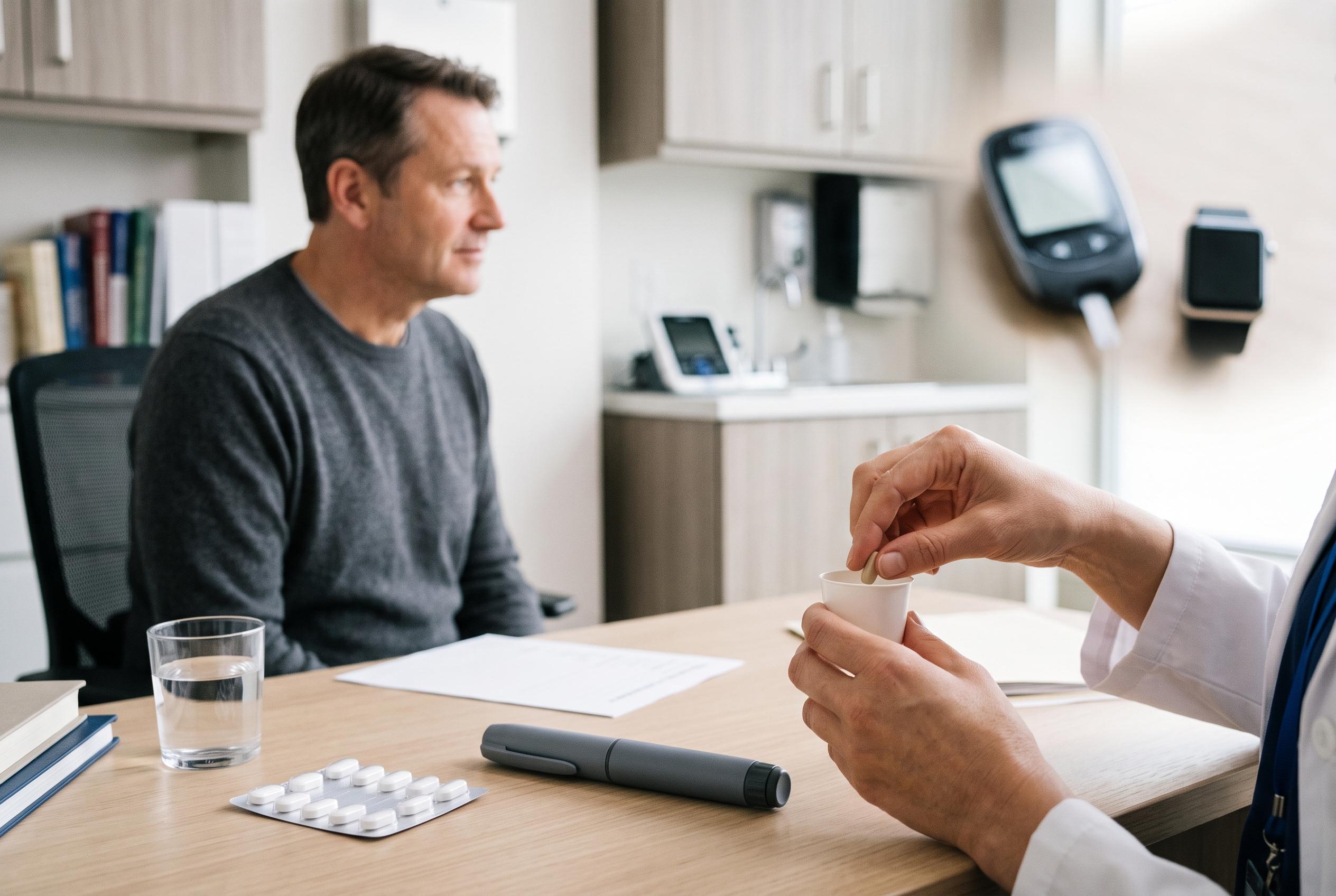

Kips Bio Med unveils preclinical data at EASD meeting demonstrating its innovative oral insulin platform can be customised for faster absorption, potentially revolutionising oral therapies for diabetes and obesity.
Kips Bio Med, the subsidiary of South Korean biotech group Kips Bio Pharma, says it has moved its oral drug-delivery platform beyond the long-standing challenge of slow-release medicines and into faster-acting formulations, as it unveiled new preclinical findings at Europe’s biggest diabetes gathering in Milan. The company presented the work at the European Association for the Study of Diabetes annual meeting, a conference that the association says draws about 10,000 researchers and specialists from around the world.
At the event, Kips Bio Med outlined preclinical data on an oral insulin candidate built on its Oraloid™ platform, describing how the technology is designed to shield the hormone from stomach acid and digestive enzymes before it reaches the intestine and is absorbed. The company said the presentation included details on the platform’s pharmacokinetic profile, including bioavailability, which refers to the extent and speed with which a drug enters the bloodstream.
The company also said it has now shown that the platform’s performance can be adjusted by changing the crystal form, particle size and coating conditions of the nano-formulation. That matters because it suggests the same delivery system may be used not only for sustained-release drugs, which release medicine gradually over time, but also for rapid-release products where a quicker effect is needed. In the company’s view, that widens the platform’s potential use across a broader range of therapies.
Peptide and protein drugs such as insulin have long been difficult to formulate as pills because they are easily broken down in the acidic environment of the stomach and by enzymes in the gut, according to a review published on the National Centre for Biotechnology Information site. Kips Bio Med says its approach avoids chemical synthesis and organic solvents during manufacture and that it has stability data showing storage at room temperature for more than a year. The company argues that, if the technology can be commercialised, it could improve convenience for patients who currently rely on injections and offer a more practical route for oral versions of metabolic-disease treatments, including diabetes and obesity drugs such as GLP-1 medicines.
Disclaimer: This content is for informational purposes only and is not intended to be a substitute for professional medical judgment, advice, diagnosis, or treatment.



