

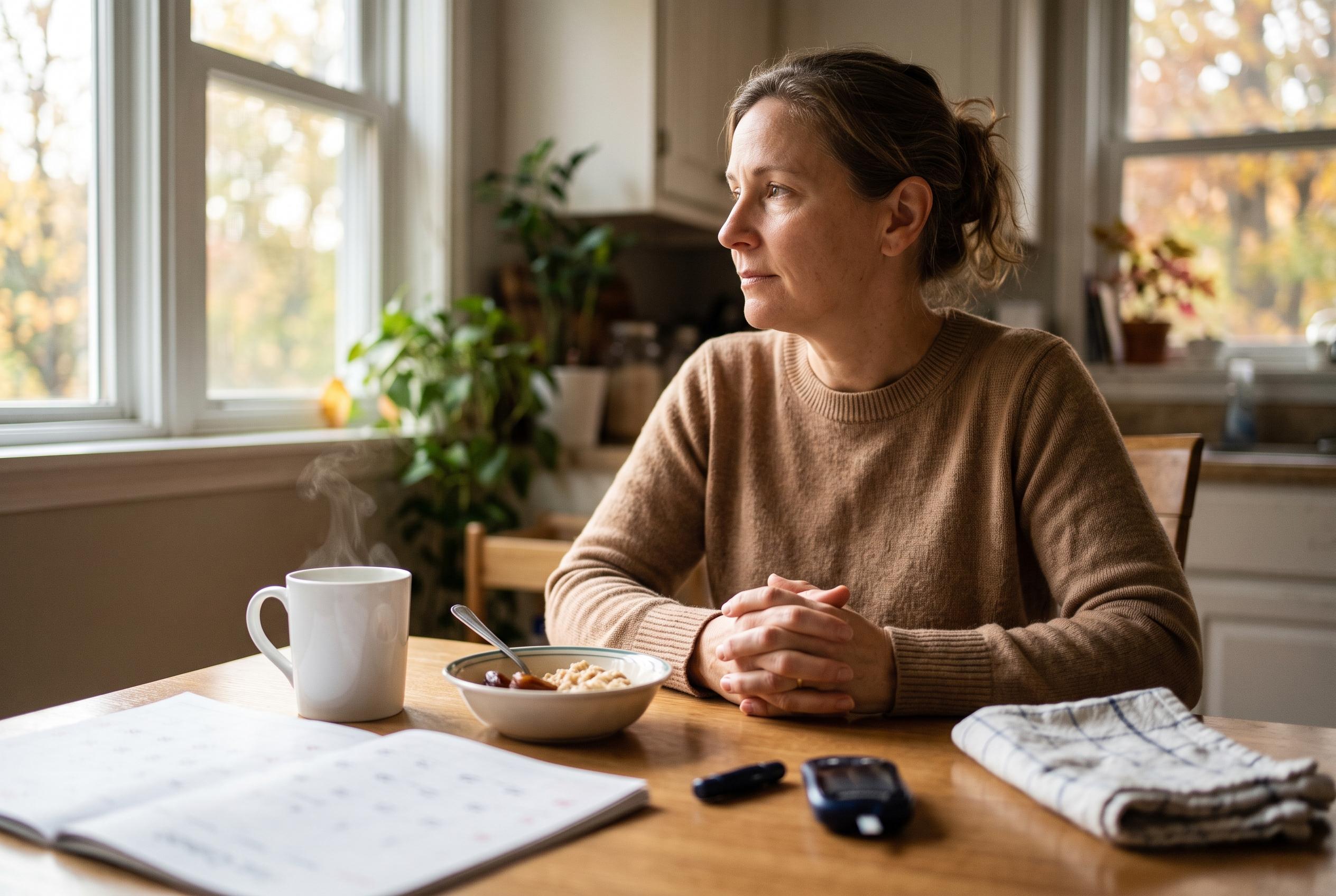

As the popularity of GLP-1 drugs like Ozempic and Wegovy surges across the US, health experts advise tailored fasting strategies to manage side effects and blood sugar levels during key religious observances this autumn.
People taking GLP-1 medicines such as Ozempic, Wegovy, Mounjaro and Zepbound may need to think differently about fasting observances this autumn, as use of the drugs becomes increasingly common. Gallup says 11% of US adults now report using GLP-1 medicines for weight loss, while KFF has found that semaglutide, sold as Ozempic, Rybelsus and Wegovy, was the most used GLP-1 in Medicare Part D last year, reflecting a sharp rise in the drugs’ reach across different patient groups.
The medical issues are most relevant for fasts that limit both food and water, such as Yom Kippur, or for longer daily fasting periods such as Ramadan. Reed Berger-Fleishman, an associate clinical professor of medicine and surgery at the University of Illinois Chicago, writes in The Conversation that most people taking these medicines can usually fast safely if they plan ahead, but that the main concerns are nausea, vomiting, dizziness, constipation and dehydration, all of which can become worse when someone goes without food or fluids.
That matters because GLP-1 medicines work by mimicking a gut hormone that helps lower blood sugar, slows stomach emptying and reduces appetite. The drugs are also now being used on a scale that makes fasting advice more broadly relevant: a GLP-1 Healthcare review says roughly 12% of US adults are currently taking one, while research cited by the same source suggests many people stop treatment within a year, underlining the need for practical guidance rather than assumptions that patients will stay on them unchanged. In diabetes care, the stakes are higher still. KFF reports that almost a third of adults with diagnosed diabetes who use insulin also take GLP-1 injectables, which can make fasting more complicated when blood-sugar-lowering medicines are combined.
Berger-Fleishman advises against starting a new GLP-1 drug, or increasing the dose, in the two weeks before a fast if it can be avoided, because side effects are often strongest during dose escalation. Weekly injections are usually best kept on their normal schedule, since skipping or shifting them can disrupt treatment. People using daily injections or oral tablets may need a more individual plan, especially if their tablets have to be taken on an empty stomach with a small amount of water. For those taking the medication purely for weight management, missing a single dose is less likely to be harmful, but for people with diabetes, skipping a dose can push blood sugar too high, while doubling up afterwards can raise the risk of serious complications.
The wider message from recent coverage is that the popularity of GLP-1 drugs is still rising, while practical access remains uneven. GoodRx says fills for Wegovy and Mounjaro have climbed this year, but many insured patients still face coverage limits and high out-of-pocket costs, and an Axios-Ipsos poll found that side effects and lack of interest remain bigger barriers than price for many people. For anyone planning a religious fast while taking one of these medicines, clinicians say the safest approach is to eat a normal meal beforehand, stay well hydrated, monitor blood sugar closely if diabetes is involved and end the fast at once if dizziness, confusion, faintness or other warning signs appear.
Disclaimer: This content is for informational purposes only and is not intended to be a substitute for professional medical judgment, advice, diagnosis, or treatment.



