

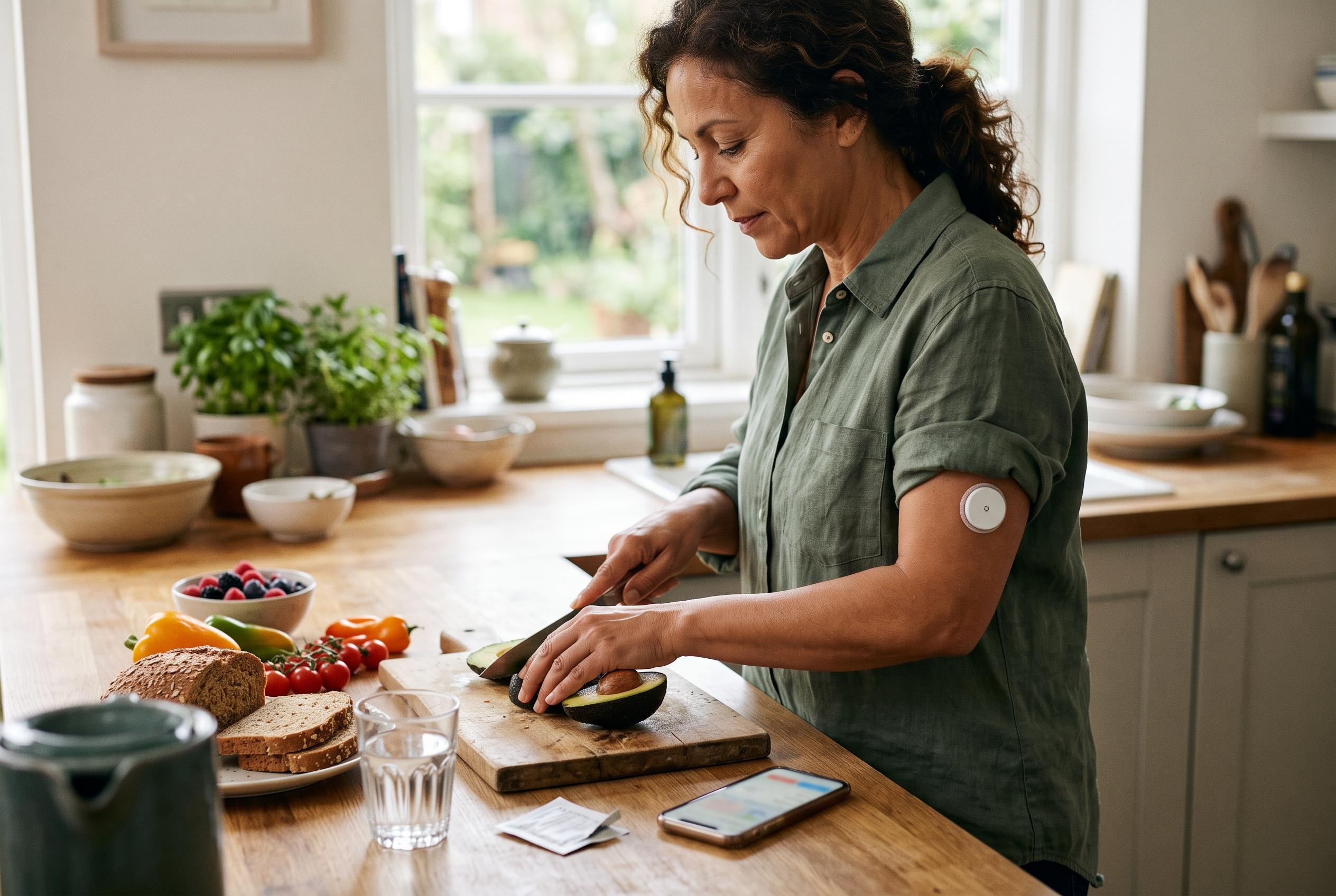

A recent study from the Framingham Heart Study indicates that data from continuous glucose monitors could identify cardiometabolic risks in adults without diabetes more accurately than traditional fasting tests, though experts urge caution before changing clinical practice.
A new study from the Framingham Heart Study suggests that continuous glucose monitor data may identify cardiometabolic risk in adults without diabetes more clearly than standard fasting tests alone, but independent experts say it is too early to know whether the devices should change care. Published in Diabetes Care, the research analysed 1,356 adults without diabetes or cardiovascular disease and found that measures of overall glucose exposure were linked to higher estimated 10-year cardiovascular risk and to worse blood pressure and lipid profiles, even after taking fasting plasma glucose and body mass index into account.
The investigators used a blinded Dexcom G6 Pro monitor for up to 10 days and combined that information with a mixed-meal tolerance test, which measures blood sugar before and after a standardised meal. Their sample came from Framingham Heart Study cohorts and was mostly middle-aged, white and female. According to the study, the strongest signals came from glycaemic burden, including average glucose and time spent above 140 mg/dL, rather than from glucose variability measures such as the coefficient of variation. A higher 2-hour post-meal glucose reading was also associated with greater estimated cardiovascular risk.
The results point to a possible blind spot in routine screening. While fasting glucose and HbA1c remain the mainstay for spotting prediabetes and diabetes, the study suggests that CGM data can reveal differences in metabolic risk among people who would otherwise look similar on standard lab tests. The researchers reported that between 48.1% and 84.2% of participants with traditional prediabetes fell into higher-risk CGM patterns, and those patterns tracked with progressively worse triglycerides, HDL cholesterol and triglyceride-glucose index scores.
Still, outside specialists have urged caution. In a Johns Hopkins Bloomberg School of Public Health commentary, Michael Fang said that in people without diabetes, “we don’t really know how to act on differing glucose patterns”. Elizabeth Selvin said laboratory screening remains the best way to identify metabolic risk and added that there is no good evidence that monitoring or trying to change CGM readings in people without diabetes improves health. A patient page in JAMA Internal Medicine reached a similar conclusion, saying there is no solid evidence that CGMs prevent disease in people without diabetes and warning that fixation on glucose swings can encourage unnecessary dietary restriction.
That caution matters because CGMs are increasingly being sold directly to consumers as wellness devices. The Framingham findings add weight to the idea that glucose patterns may reflect broader cardiometabolic stress, but they do not show that using a CGM improves outcomes in people without diabetes. For now, the strongest practical message from the study and the accompanying expert commentary is that CGM data may supplement, but should not replace, established screening for fasting glucose and HbA1c.
Disclaimer: This content is for informational purposes only and is not intended to be a substitute for professional medical judgment, advice, diagnosis, or treatment.



