

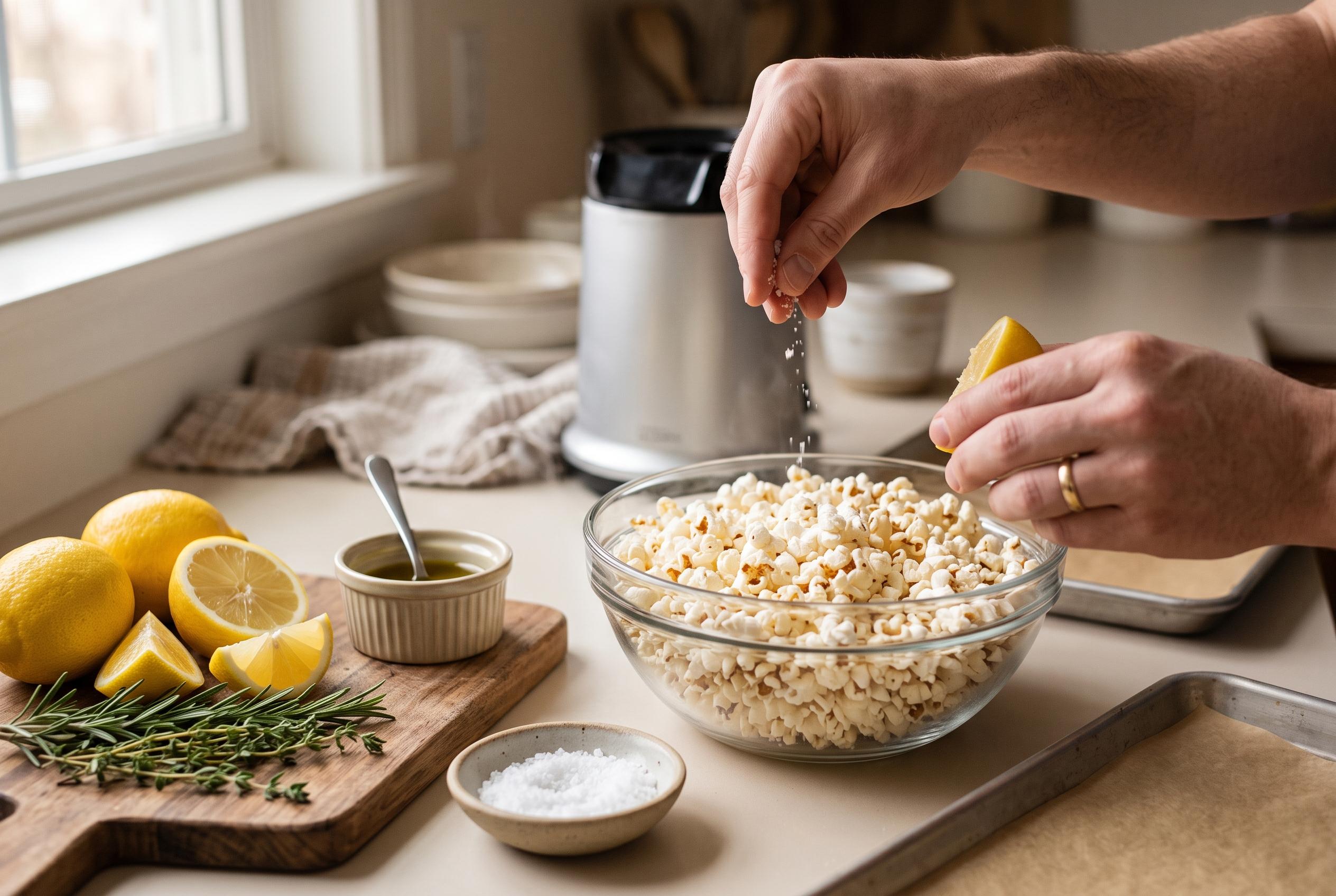

Simple, air-popped popcorn can be a nutritious and filling snack that supports digestion and weight management, provided it is prepared with minimal added fats and sugars. Experts highlight the importance of how popcorn is made in maximising its health benefits.
Popcorn can be more than a cinema treat. When it is prepared simply, nutrition experts say it can leave people feeling full, support digestion and offer more nutritional value than many other snack foods. The key, however, is how it is made.
According to EatingWell, popcorn’s fibre content is central to its appeal. Fibre slows digestion and can help blunt sharp rises in blood sugar after meals, which is especially relevant for people at risk of diabetes. A typical serving of about 3.5 cups contains roughly 4 grams of fibre and about 110 calories, making it a relatively modest snack in energy terms. Healthline likewise describes popcorn as a whole grain that is naturally low in calories when air-popped and can support digestive health.
The case for popcorn is not limited to blood sugar control. The Cleveland Clinic says fibre can help with satiety, which may make popcorn useful in weight management, while WebMD notes that whole grains may be associated with lower risks of diabetes, heart disease and hypertension. Research from the University of Scranton, as reported in Food Chemistry Advances, also found that corn kernels contain a range of bioactive compounds that may help reduce cardiovascular risk.
But the health value quickly falls away once popcorn is loaded with sugar, butter, salt or caramel. Experts cited by several health publications recommend making it at home, using only a small amount of oil, such as olive oil, and keeping toppings light. The Cleveland Clinic suggests avoiding heavily salted or flavoured microwave versions, while Healthline and Medical News Today both note that added sugar and excess fat can turn a sensible snack into a less healthy one.
There is also an important safety point for families: popcorn should not be given to children under four because of the risk of choking. For adults, though, the message from nutrition specialists is clear: plain popcorn can be a sensible snack, but its benefits depend almost entirely on preparation.
Disclaimer: This content is for informational purposes only and is not intended to be a substitute for professional medical judgment, advice, diagnosis, or treatment.



