

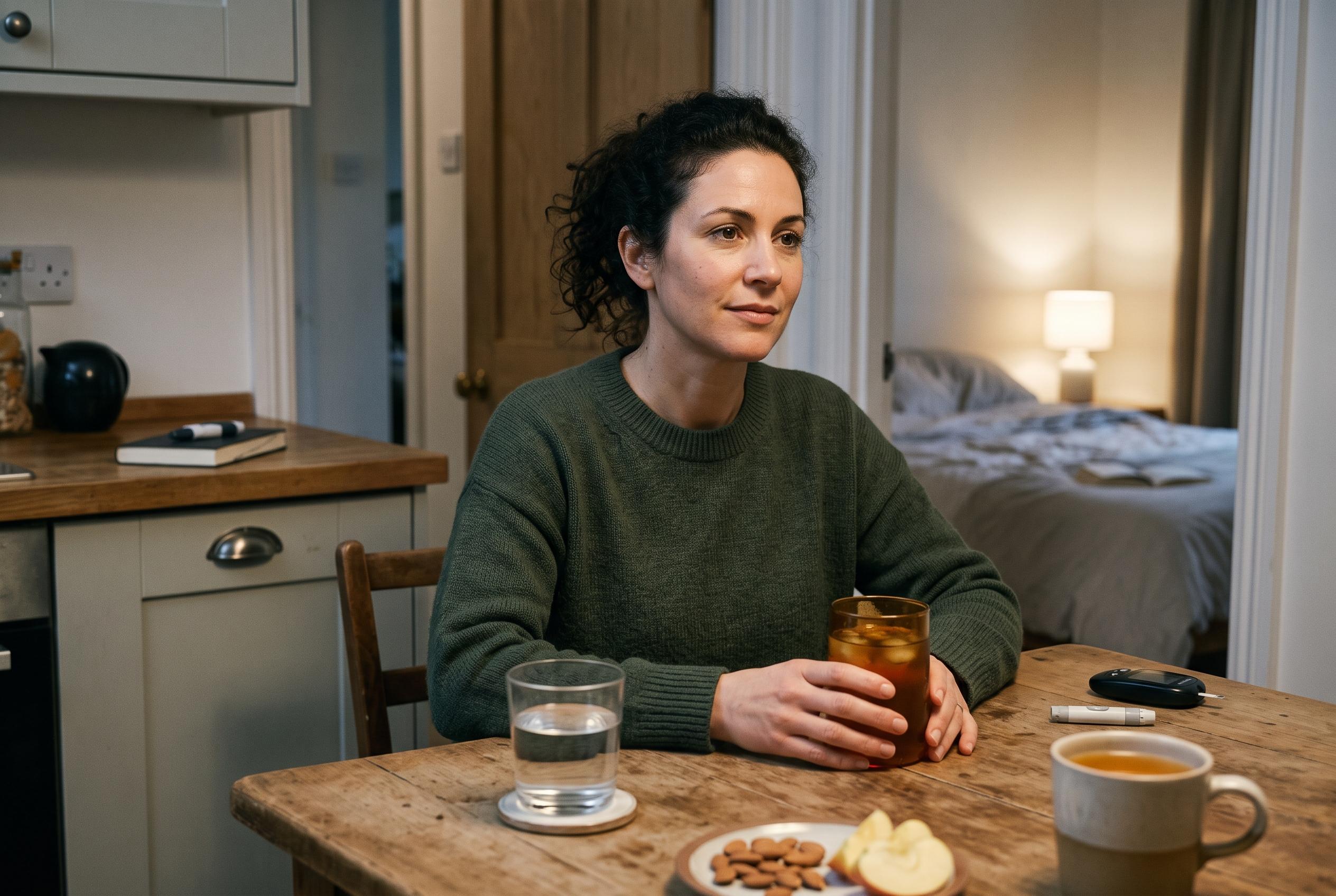

Nutrition experts highlight the impact of evening beverages rich in sugar and caffeine on blood glucose levels and sleep, advocating for safer options like water and unsweetened tea to support long-term health.
Nutrition experts are warning that what people drink in the evening can have a meaningful effect on overnight blood sugar and sleep quality, particularly for those trying to keep glucose levels steady through the night. According to a report in Health cited by Cairo24, drinks loaded with sugar or caffeine are among the least suitable choices before bed because they can push blood sugar up quickly and make it harder to sleep well.
Sugary soft drinks are only the most obvious example. Dietitian Paloma Vega told Health Chosun that sweet tea, traditional lemonade and flavoured coffee drinks can also contain substantial amounts of added sugar, while offering little protein, fibre or fat to slow digestion. That combination means the body absorbs the carbohydrates quickly, which can cause a sharper rise in blood sugar than many people expect.
Fruit juice can look like a healthier option, but it is not as protective as whole fruit. The same guidance notes that juice contains natural sugars but usually lacks the fibre found in intact fruit, so its carbohydrates are absorbed more rapidly. Health experts say whole fruit, ideally paired with protein or healthy fat, is generally a better choice when the aim is to avoid a late-night spike.
Caffeine adds another layer of risk because it can disturb sleep itself. The Sleep Foundation says caffeine blocks adenosine, a sleep-promoting chemical in the brain, and recommends avoiding it at least eight hours before bedtime if possible. WebMD also notes that sleep patterns can influence blood sugar during the night and into the early morning, including the period known as the dawn effect, when glucose may rise before waking. Taken together, the advice points to a simple conclusion: water, unsweetened tea and other low-sugar drinks are usually the safest evening options, while long-term blood sugar control depends far more on overall diet, activity, sleep and medication than on any single drink.
Disclaimer: This content is for informational purposes only and is not intended to be a substitute for professional medical judgment, advice, diagnosis, or treatment.



