

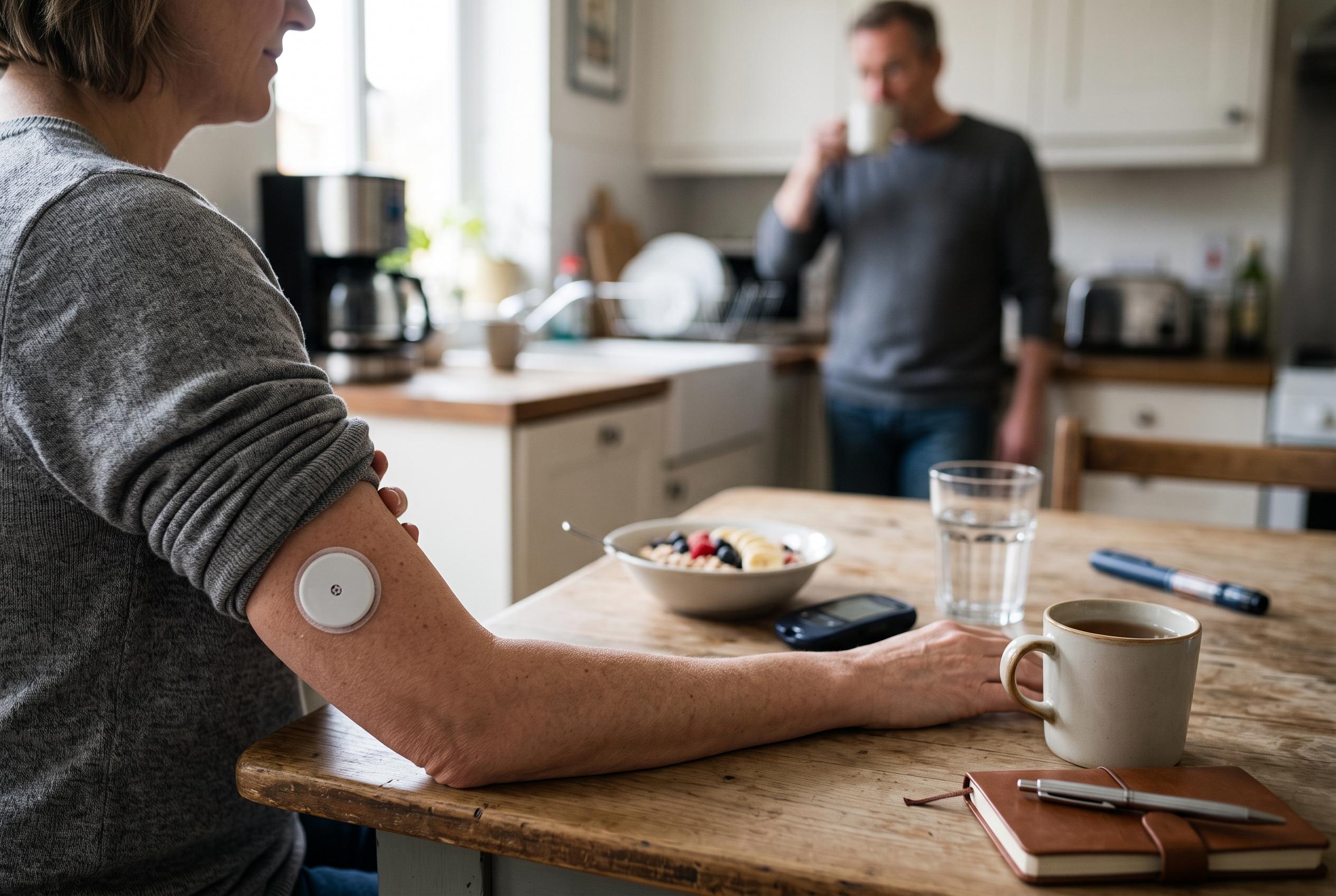

New large-scale studies presented at EASD 2026 suggest that continuous glucose monitoring may significantly improve long-term health outcomes for adults with type 2 diabetes, including lower mortality and fewer cardiovascular complications.
Continuous glucose monitoring could be linked to better long-term outcomes for some people with type 2 diabetes, according to two large real-world studies being presented at the European Association for the Study of Diabetes meeting in Milan. The findings suggest that the technology, already used to track glucose levels in daily life, may be associated not only with improved glucose control but also with lower mortality, fewer cardiovascular complications and fewer emergency hospital admissions.
The first study, presented at EASD 2026, analysed electronic health records for nearly 28,000 adults with type 2 diabetes who were using basal insulin, a once- or twice-daily background insulin regimen. Researchers used a target trial emulation design, which is intended to make observational data more closely resemble a randomised controlled trial, and matched about 14,000 people who used continuous glucose monitoring with a similar number who did not across 29 baseline characteristics. Most of the monitoring group used Abbott’s Libre technology. The study found an association between continuous glucose monitoring and a 45% lower risk of death at 12 months, as well as a 36% lower risk at 24 months. It also linked the technology to fewer cardiovascular complications, including fewer repeat events.
The second dataset, from France, examined more than 253,000 people with type 2 diabetes after they began using Libre technology. It focused on acute diabetes-related hospitalisations, including severe hyperglycaemia, hypoglycaemia and diabetes-induced coma. According to the findings, hospital admissions for those events fell by 47% among people on basal insulin, by 56% among those using multiple daily insulin injections and by 81% among those treated without insulin. The results add to a growing body of evidence suggesting that continuous glucose monitoring may matter beyond day-to-day glucose management, particularly for people not using the most intensive insulin regimens.
Previous research has already pointed in the same direction, though the evidence base has been mixed. A randomised clinical trial in adults with type 2 diabetes treated with basal insulin found that continuous glucose monitoring improved haemoglobin A1c compared with finger-prick testing, while a Canadian health technology assessment concluded that real-time continuous glucose monitoring may improve glucose control but that the evidence remains limited and cost-effectiveness is uncertain. A separate systematic review and meta-analysis found that continuous glucose monitoring and intermittently scanned monitoring were both associated with better glycaemic control and less hypoglycaemia than standard self-monitoring. Against that backdrop, the new EASD presentations suggest the possible benefits may extend further, although the findings remain observational and do not by themselves prove cause and effect.
Abbott said the studies are the first to associate continuous glucose monitoring with a lower risk of death specifically in adults with type 2 diabetes treated with basal insulin. Ramzi Ajjan, professor of metabolic medicine and consultant in diabetes and endocrinology at the University of Leeds and Leeds Teaching Hospitals NHS Trust, said the work suggests the benefits may reach beyond glycaemia alone. Mahmood Kazemi, chief medical officer for Abbott’s diabetes care business, said the findings were significant because they were tied to outcomes that matter to patients and health systems alike, including mortality, cardiovascular events and hospital use. Abbott is also due to present further analyses from its FreeDM2 randomised trial at the meeting, with early improvements in time in range seen within 24 hours of starting Libre 3 and sustained over time.
Disclaimer: This content is for informational purposes only and is not intended to be a substitute for professional medical judgment, advice, diagnosis, or treatment.



