

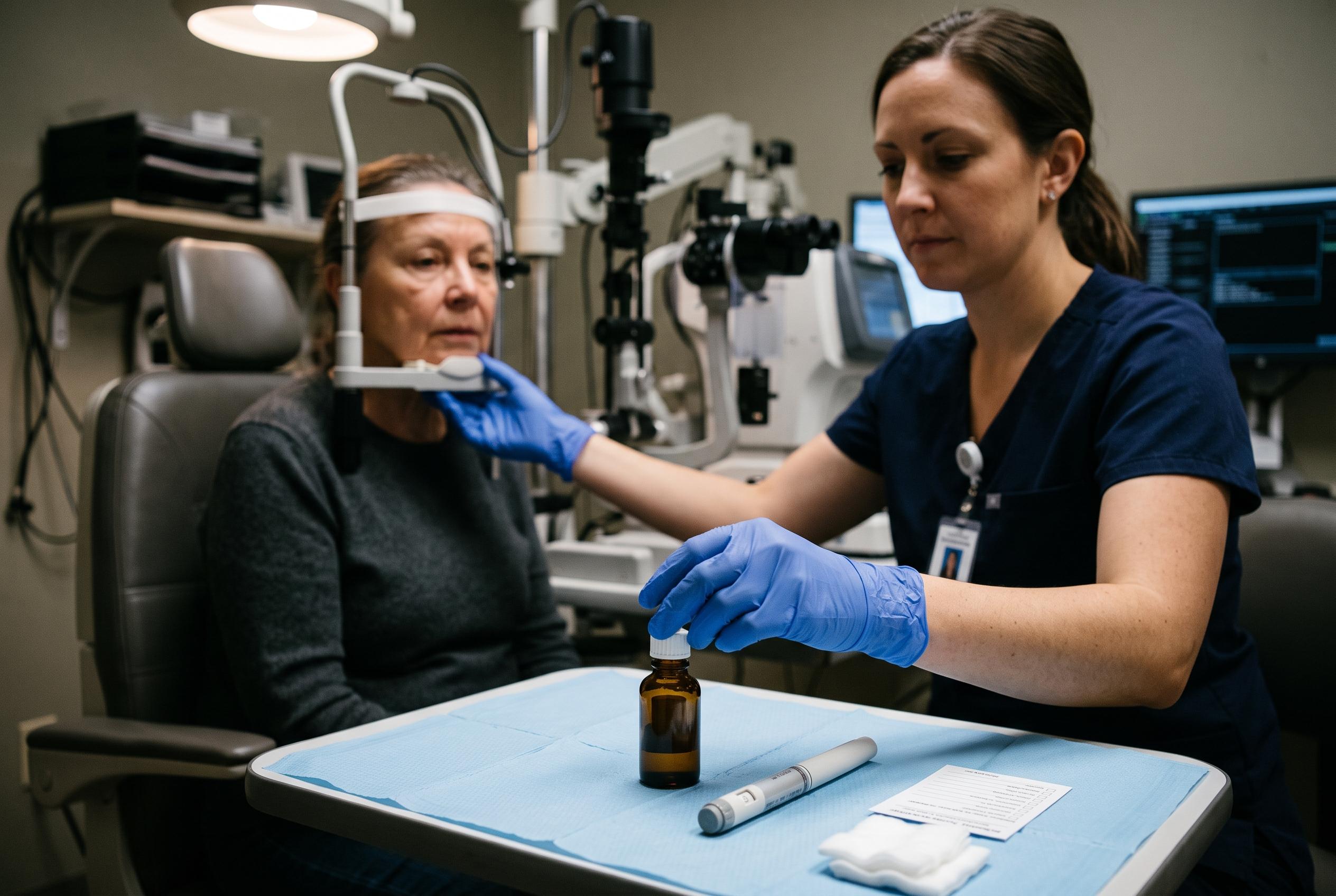

As US lawsuits mount over possible associations between GLP-1 medicines like Ozempic and rare eye conditions, experts urge caution amid incomplete scientific evidence and expanding clinical warnings.
Concerns over a possible link between widely used GLP-1 medicines and sudden vision loss have sharpened as patients in the United States pursue litigation against the drugs’ manufacturers, even as the companies reject the allegations and many eye specialists say the evidence remains incomplete.
The cases centre on non-arteritic anterior ischaemic optic neuropathy, or NAION, a rare condition that can cause abrupt and often painless loss of vision in one eye. The American Academy of Ophthalmology describes it as a leading cause of acute optic nerve injury in people over 50, and eye doctors have warned that patients may notice a sudden grey or black patch or a new gap in their field of vision. Those symptoms are considered warning signs that warrant urgent assessment.
Novo Nordisk, which makes Ozempic and Wegovy, has said the U.S. personal injury lawsuits are “without merit” and that it is defending them vigorously. Eli Lilly, the maker of Mounjaro and Zepbound, has said it is aware of published research on possible NAION risk in patients taking semaglutide or tirzepatide and continues to review safety data from clinical trials and post-market experience.
The legal pressure has now become more organised. According to court filings and litigation trackers, the federal cases have been consolidated in multidistrict litigation in the Eastern District of Pennsylvania, where hundreds of claims are now pending. Plaintiffs allege the manufacturers failed to warn about the risk of sudden vision loss, while the companies contend that causation has not been established and that they have acted appropriately on safety.
The debate has also reached the clinical community. In 2025, the American Optometric Association published guidance from its evidence-based optometry committee warning of possible ocular complications associated with GLP-1 receptor agonists, including NAION, progression of diabetic retinopathy and possible worsening of age-related macular degeneration. The association said about 6% of U.S. adults use GLP-1 drugs for chronic disease or weight loss, underscoring how many patients could be affected if a rare eye risk is confirmed.
That wider use has helped fuel scrutiny of the drugs’ safety profile. GLP-1 medicines have become major treatments for diabetes and obesity, with benefits that include weight loss and improvements in cardiovascular risk factors. But as prescriptions have expanded, so too have questions about less common harms. A recent review in the medical literature said the key issue for clinicians is not alarm, but vigilance: patients on these medicines should be monitored for visual symptoms, particularly if they have other risk factors for optic nerve disease or diabetic eye complications.
For now, the central question remains unresolved. The lawsuits may test whether drugmakers should have given clearer warnings, but ophthalmologists say the underlying science is still developing, and a rare event is difficult to measure with certainty. What is clear is that patients taking GLP-1 drugs who experience sudden vision changes should seek urgent medical attention.
Disclaimer: This content is for informational purposes only and is not intended to be a substitute for professional medical judgment, advice, diagnosis, or treatment.



